
Last updated November 25, 2026
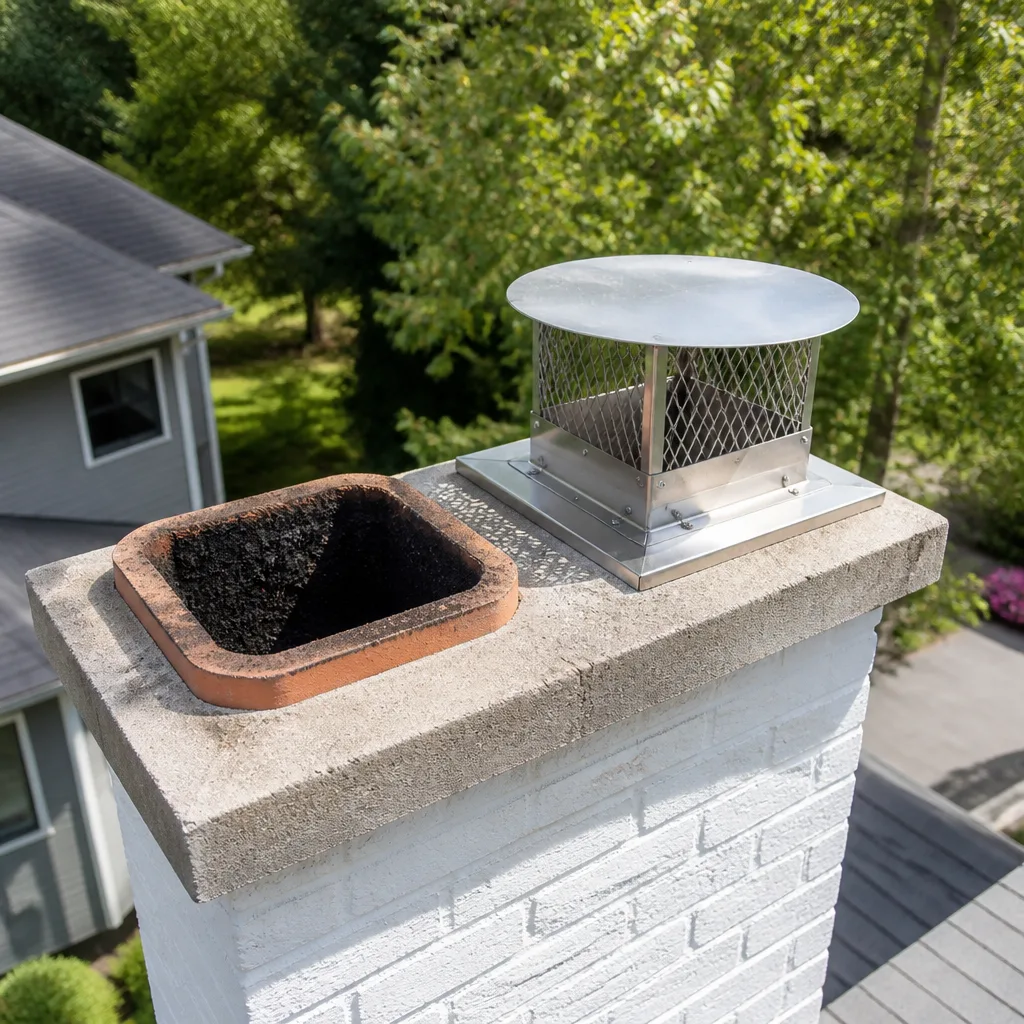 Sweep & inspection
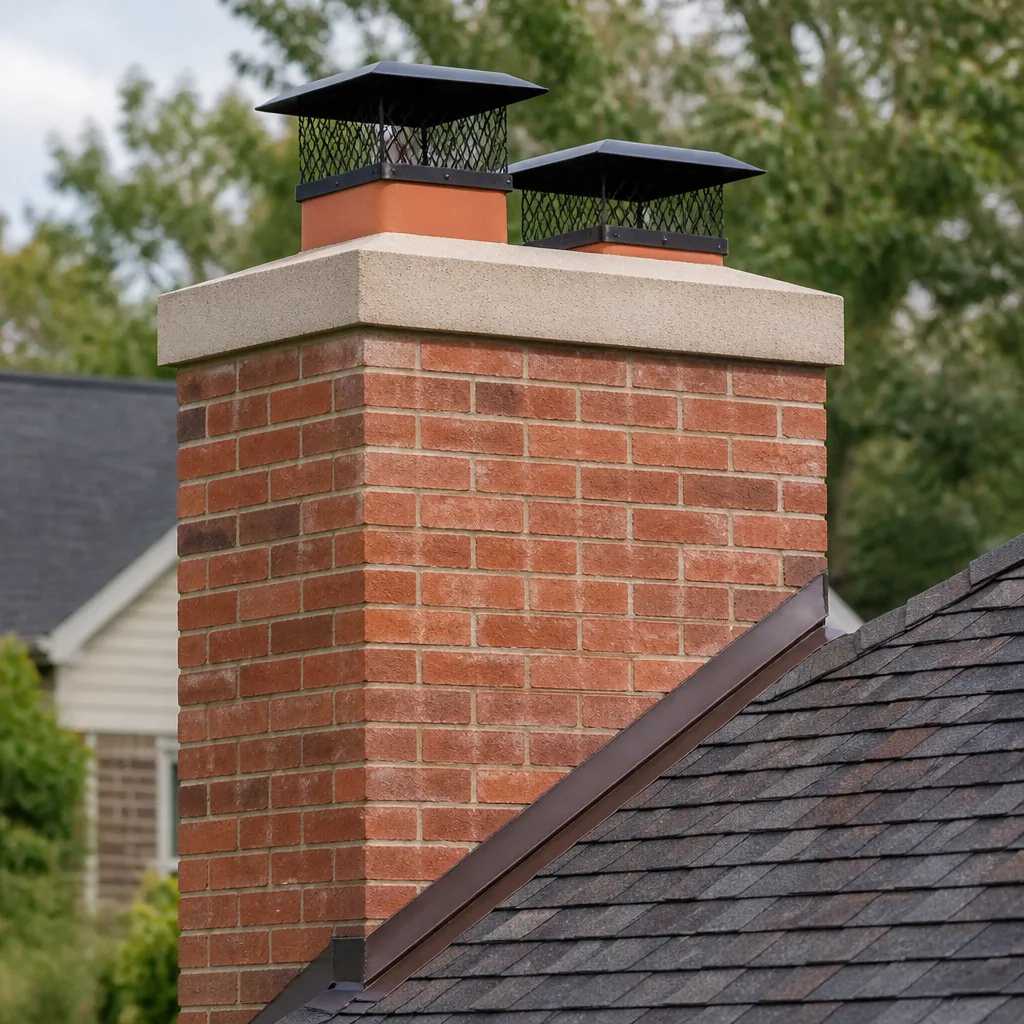 Caps & crowns
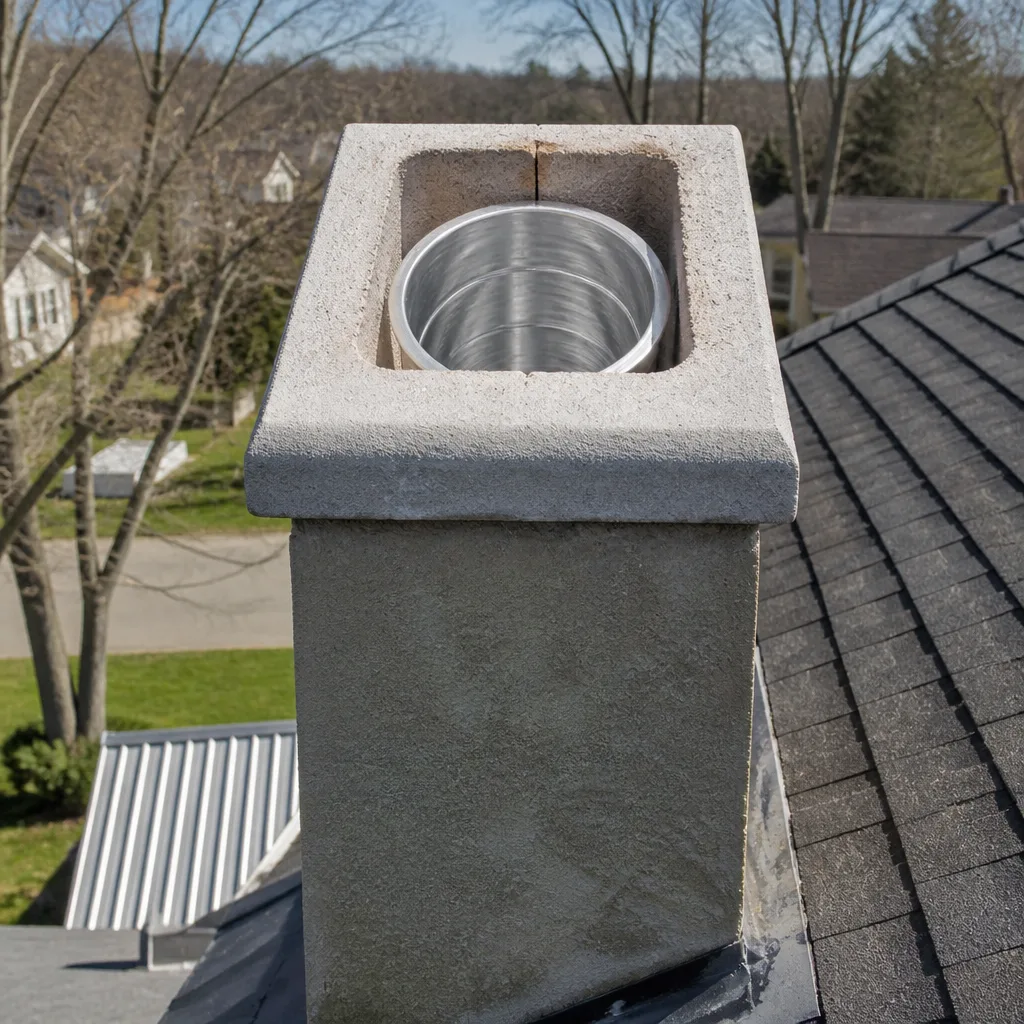 Flue relining
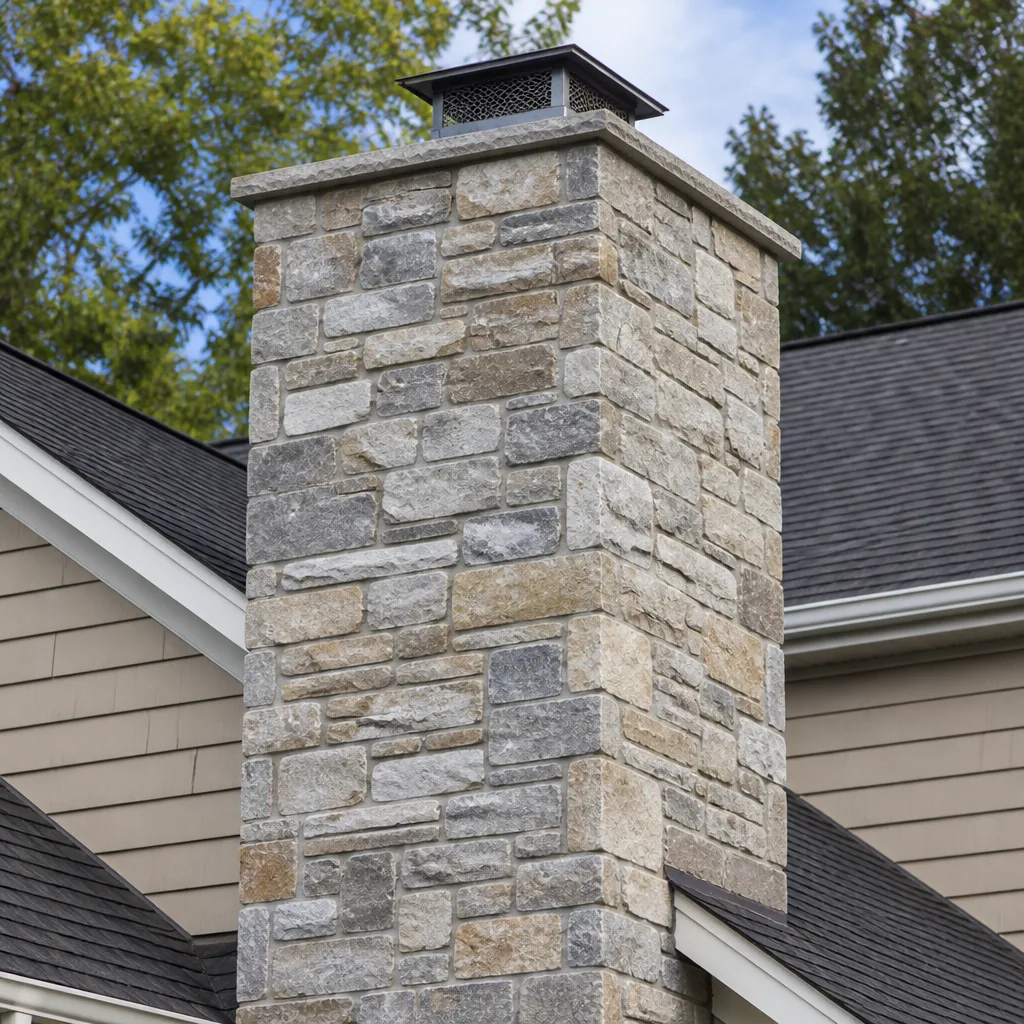 Masonry repair
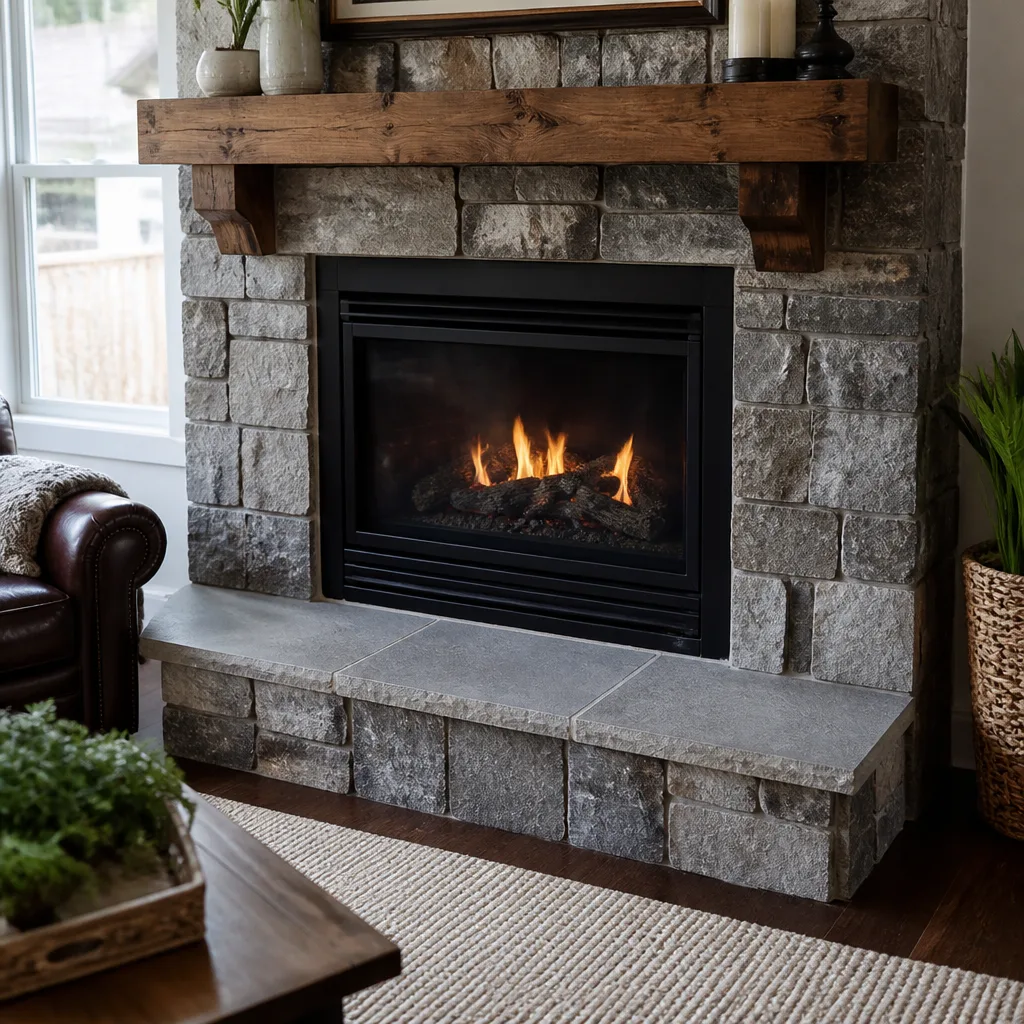 Gas fireplace service
Level 1 sweep and inspection to the NFPA 211 annual standard - flue, crown, cap, and flashing checked and photographed
Chimney sweep logs do not sweep chimneys. They loosen some creosote - which then falls where a brush and vacuum still have to collect it.
Chimney Sweep Maintenance Schedule: What to Do and When
If you burned fewer than 20 fires last year, sweeping your chimney every January 1st may be the wrong move. A lot of chimney advice is written for New England and the Midwest, where a fireplace runs five months straight and a cord of wood disappears by February. Buena Park isn’t that climate. Most homes here light a fire on cool evenings from December into February, leave the fireplace alone the rest of the year, and still get told they’re “overdue” for an annual cleaning. That calendar-first thinking wastes money on some chimneys and leaves others neglected for years. What matters is how much you burn, what you burn, and what the flue does while it sits idle through the long warm season. This guide walks through a usage-based schedule you can actually follow, and explains what to check in Buena Park when the fireplace is dark.
Quick Answer
Your chimney sweep interval should be based on how much you burn, not the calendar. Wood-burning fireplaces that see under a face cord a year generally need a sweep and inspection every 1-2 years, heavier burners need one annually, and gas log sets need an inspection every year with cleaning only when debris or soot actually builds up. Three tasks happen on a fixed schedule no matter how often you burn: a cap inspection, an animal intrusion check, and a damper function test, all best done in late spring before the fireplace sits idle through summer.
Styles & brands we work with
- Sweep & inspection
- Caps & crowns
- Flue relining
- Masonry repair
- Gas fireplace service
Table of Contents
- How Do You Build a Schedule Around Usage, Not the Calendar?
- The Three Tasks That Happen No Matter How Often You Burn
- What Shoulder Season Maintenance Means for Buena Park Homes
- Gas Insert Maintenance vs. Wood-Burning Maintenance
- Getting Ready Before Burning Season Starts
- Building a Maintenance Log That Holds Up
- What Does Chimney Maintenance Cost in Buena Park?
- Common Mistakes to Avoid
How Do You Build a Schedule Around Usage, Not the Calendar?
The single most useful number for your chimney is how much fuel you actually go through in a season. Creosote, the tar-like residue that builds up inside a flue, forms in proportion to how much smoke condenses on the walls. More fires and more smoke mean faster buildup, and the firewood you choose changes the rate too. Seasoned hardwoods burn hotter and cleaner. Unseasoned or resinous wood smokes heavily and lines the flue faster. That’s why a home that lights 80 fires a year and a home that lights 10 shouldn’t be on the same schedule.
Here’s how to set your own interval:
- Track your fires for one season. A simple tally on your phone is enough. Note roughly how many evenings you lit the fireplace and for how long.
- Estimate your wood use. A face cord is a stack 8 feet long, 4 feet high, and one log deep. Most casual Buena Park households don’t get through a full face cord in a winter.
- Match the interval to the burn. Under a face cord a year, sweep and inspect every 1-2 years. Between one and two face cords, sweep annually. More than that, or any burning of unseasoned wood, plan on an inspection every year and a sweep whenever the inspection shows buildup.
- Adjust for how you burn. A fire left to smolder produces far more creosote than a hot, active fire. If you damper down for overnight burns, shorten your interval.
- Re-check every season, because habits change. A new insert, a different wood supplier, or a colder winter can all move the number.
When we inspect a chimney in Buena Park, the first thing we ask is how much the homeowner burns. That answer, combined with what a camera shows us inside the flue, sets the real schedule. If you’re not sure how much buildup you have, a chimney sweep with a camera inspection tells you exactly where you stand.
The Three Tasks That Happen No Matter How Often You Burn
Even a fireplace that never gets lit needs attention, because the parts that fail during idle months fail from weather and animals, not fire. These three checks belong on a fixed schedule in every Buena Park home, regardless of burn frequency. We usually recommend all three in late spring, once the last cool evenings have passed.
1. Cap inspection. A chimney cap keeps rain out of the flue and keeps animals from nesting inside it. Caps take a beating from sun, wind, and the occasional winter storm, and a cap that’s loose, rusted through, or blown crooked stops doing its job. Water getting into a flue promotes deterioration of the liner and the masonry around it. A chimney cap and crown check each spring catches a small problem before it becomes a structural one.
2. Animal intrusion check. Buena Park’s mild weather means birds, squirrels, and raccoons stay active most of the year, and a chimney looks like a ready-made den. A missing or damaged cap is an open door. Nesting material inside a flue is a fire hazard the day you next light a fire, and it also blocks the draft. A quick look down the flue in spring tells you whether anything has moved in over the winter.
3. Damper function test. The damper is the metal plate that seals the flue when the fireplace is not in use. Years of soot, heat, and humidity can make it stick, rust, or fail to close flush. A damper that won’t seal lets heated or cooled air escape up the chimney and lets outside air and moisture in. Testing it takes a minute. Fixing a stuck damper is straightforward; replacing one that’s seized is a fireplace repair job.
A chimney is a system, and these three items protect the parts of the system that don’t depend on fire to wear out. If any of them comes back flagged during an inspection, deal with it before the fall rush rather than after.
What Shoulder Season Maintenance Means for Buena Park Homes
May through October in Buena Park is what we call shoulder season for a fireplace: the months it sits dark. This idle stretch isn’t harmless. It’s when much of the slow damage to a chimney actually happens, because moisture and pests do their work while no one is looking down the flue. Understanding what deteriorates during that period is the reason shoulder-season maintenance beats waiting until the first cold night.
What goes wrong while the fireplace is idle:
- Moisture intrusion. A compromised cap or a hairline crack in the crown lets rainwater into the flue. Over months, that water works into the masonry and the liner, and the damage compounds with each dry-and-wet cycle.
- Animal nesting. Spring is when birds and squirrels look for shelter. A chimney with a weak cap is prime real estate, and once a nest is in, it stays until someone removes it.
- Damper and hinge corrosion. Humidity and residual soot combine to stiffen damper hardware that sat unused since February.
- Creosote aging. Creosote left on the flue walls all summer can harden, making the fall sweep harder and, in the case of glazed creosote, requiring a resurfacing approach rather than a simple brushing.
The fix is to schedule a spring or early-summer visit that covers the cap, the intrusion check, and the damper, plus a sweep if the season’s burn justified one. That way the fireplace sits sealed and ready through the long warm months, and you’re not competing for an appointment in November. In our experience, homes that do their maintenance in shoulder season head into fall with fewer surprises and less to repair. It’s the quietest, most useful appointment on the whole calendar.
Gas Insert Maintenance vs. Wood-Burning Maintenance
These two share almost nothing, and most maintenance guides blur them together. A wood-burning fireplace is a creosote-and-draft system. A gas log set or gas insert is a combustion-and-venting appliance with its own parts to check and its own failure points. Treating them as the same job is one of the most common scheduling mistakes we see.
Wood-burning schedule:
- Sweep based on fuel burned, as covered above, with a camera inspection to confirm buildup.
- Check the firebox, damper, and flue for cracks or gaps.
- Inspect the cap, crown, and flashing each spring.
- Watch for glazed creosote that won’t come off with a standard sweep. HeatShield ceramic resurfacing can restore certain qualifying flues without a full reline.
- Confirm the flue liner is intact and correctly sized. Aged or non-standard flues often need a flexible liner, which is where DuraFlex comes in.
Gas insert schedule:
- Inspect annually. A gas appliance still needs a professional eye even though it produces little or no creosote.
- Check the gas connections and the pilot and ignition for safe operation. This part is for a trained technician, not a homeowner with a wrench.
- Clear dust, lint, and debris from the burner and the venting, which can build up during idle months.
- Check the glass, logs, and ember bed for cracks or sooting that signals an adjustment is needed.
- Confirm the vent or flue is clear of bird nests and debris just as you would for wood.
If you’re unsure which schedule applies to your setup, a professional can tell you in a few minutes whether you have a wood system, a gas appliance, or a hybrid that needs both sets of checks. Gas work is a safety item, so leave burner and connection checks to a trained professional.
Getting Ready Before Burning Season Starts
Buena Park’s cool season arrives later than most of the country, which is a small gift. It means you can do your prep in September and October without racing the first cold snap. A little planning here turns the fall from a scramble into a short checklist. If you burned enough last winter to justify a sweep, book it in early fall so the flue is clean before the first fire. If you did your shoulder-season checks in spring, this is the moment to confirm nothing has shifted since.
A simple pre-season sequence:
- Book your sweep or inspection in early fall, based on your usage interval.
- Confirm the cap is still secure after the long dry season and any late-summer wind.
- Test the damper by opening and closing it fully.
- Have your firewood seasoned and stacked dry before the first burn.
- Light one small test fire and watch the draft. Weak, smoky draft on that first fire often means a blockage or a damper that isn’t opening fully.
That last step is worth doing carefully. A fire that smokes into the room instead of up the flue is telling you something is wrong, and lighting a bigger fire won’t fix it. If the draft is poor, stop and get it looked at. Our Buena Park Chimney Sweep Pros team can diagnose whether the culprit is a nest, a closed damper, or a liner issue before the season gets busy.
Building a Maintenance Log That Holds Up
A maintenance log is only worth keeping if someone else can read it and trust it. That someone might be a home inspector when you sell, or an insurance adjuster after an incident. A shoebox of receipts doesn’t tell a story, but a simple dated record does. The point isn’t paperwork for its own sake. It’s evidence that the chimney was cared for, which matters when you need to prove it.
Keep it simple. A spreadsheet or a notes file works fine. Record these for every visit:
- The date of each sweep, inspection, or repair.
- Who did the work and what was done, in plain language.
- Any findings, such as a cracked crown, a failing damper, or a liner concern.
- Photos of the flue interior if the technician provides them.
- Any recommended next steps and when they were completed.
Ask for a written report and keep the photos with it. A camera inspection gives you a visual record, and it gives anyone reviewing the log something concrete to look at beyond a line of text. When a home inspector later reviews your chimney, a clean dated log backed by photos answers most of their questions before they ask. And when you’re working with an adjuster, being able to show the maintenance history is far stronger than a verbal assurance that you “kept up with it.”
We build this into the work we do. Every visit produces a report you can file, so the next person who looks at your chimney has a record to start from. If you’re behind on documenting, an inspection is a fine place to start the log from scratch. A professional chimney repair assessment also produces a documented record of the chimney’s condition.
What Does Chimney Maintenance Cost in Buena Park?
Chimney maintenance is an estimate-based service, and the written estimate sets the final price. Costs vary with the size of the chimney, how much buildup there is, and whether the visit turns up repair work. A routine sweep and inspection is the most common appointment and usually the least expensive. Add-ons like a cap inspection, an animal removal, or a damper repair each carry their own line in the estimate.
The important thing is to get the scope agreed before the work starts, so there are no surprises on the invoice. When you book, ask what the estimate covers and whether a camera inspection is included. A camera inspection is what turns “we cleaned it” into “here’s what we found and why it matters.”
The reader’s real worry is being told they need thousands of dollars in liner or masonry work they can’t verify. Our answer is simple: nothing is recommended without camera evidence you can see for yourself. If the flue is sound, we say so. If a repair can safely wait, we say that too. You should never feel pushed into a large job on the strength of a verbal warning alone. Call (877) 792-7250 for a free estimate and a look at your own flue on a camera. We answer 24/7, with fast dispatch from 7am to 7pm, Sunday through Friday.
Common Mistakes to Avoid
- Treating the annual sweep as a fixed calendar rule. A light burner who sweeps every year regardless of buildup pays for cleanings they don’t need. Track your fires and let the usage set the interval instead.
- Skipping the shoulder-season check. Homeowners in Buena Park often don’t think about the chimney from March to October, which is exactly when a cap or crown fails unnoticed. A spring check catches water and animal problems before fall.
- Assuming a gas insert needs no maintenance. A gas fireplace looks after itself, but connections, venting, and the burner still need an annual look. Skipping it risks a dark winter evening with no heat on demand.
- Ignoring the damper between seasons. A damper left open through summer lets moisture and animals in, and a stuck damper left closed means you can’t use the fireplace when you want it. Test it each spring and fall.
- Calling a general handyman for chimney work. A chimney is a specialized system with its own safety risks. A generalist who “takes a look” can miss a liner problem that a trained chimney technician would catch.
- Keeping no maintenance record. Without a dated log and photos, you have nothing to show an inspector or an adjuster later. Start the record now, even if it begins with a single inspection.
- Waiting until the first cold night to book. Fall is when everyone wants their chimney looked at. A shoulder-season appointment gets your maintenance done before the rush.
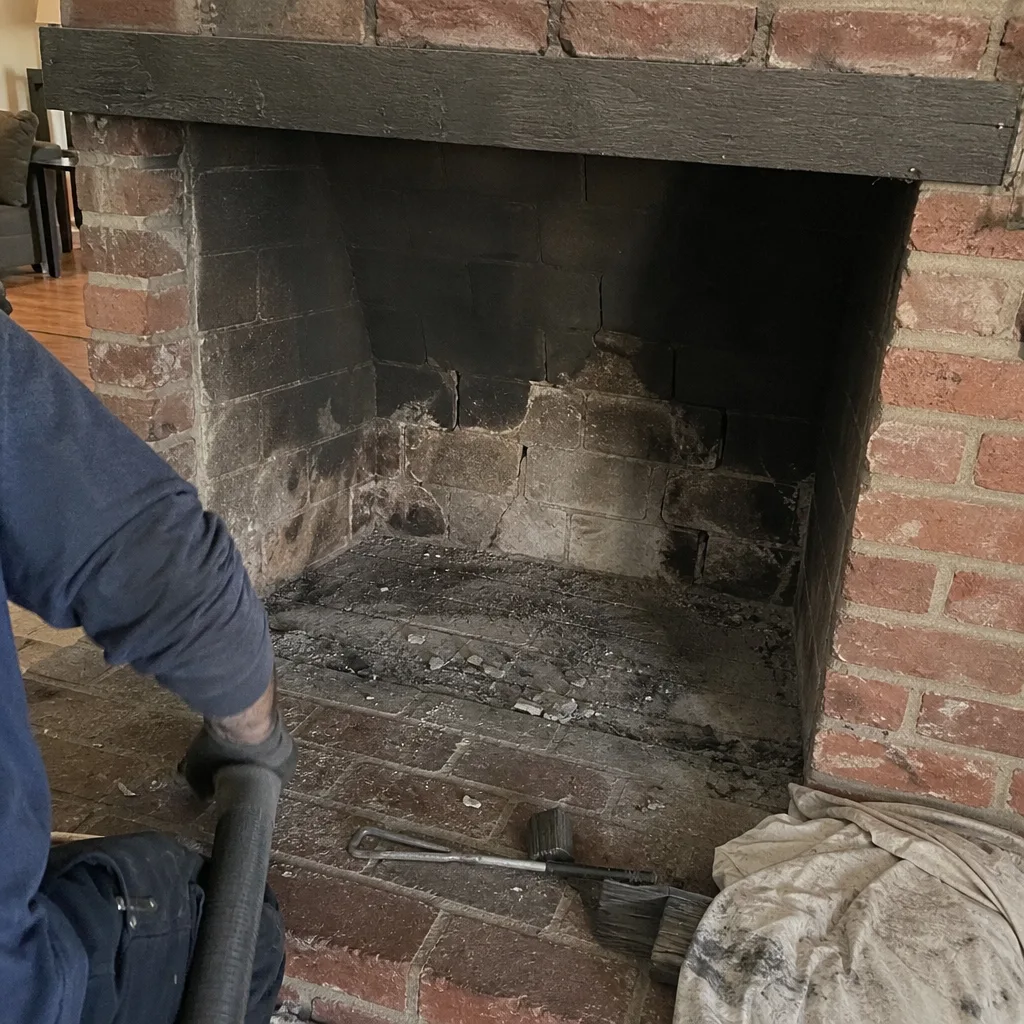
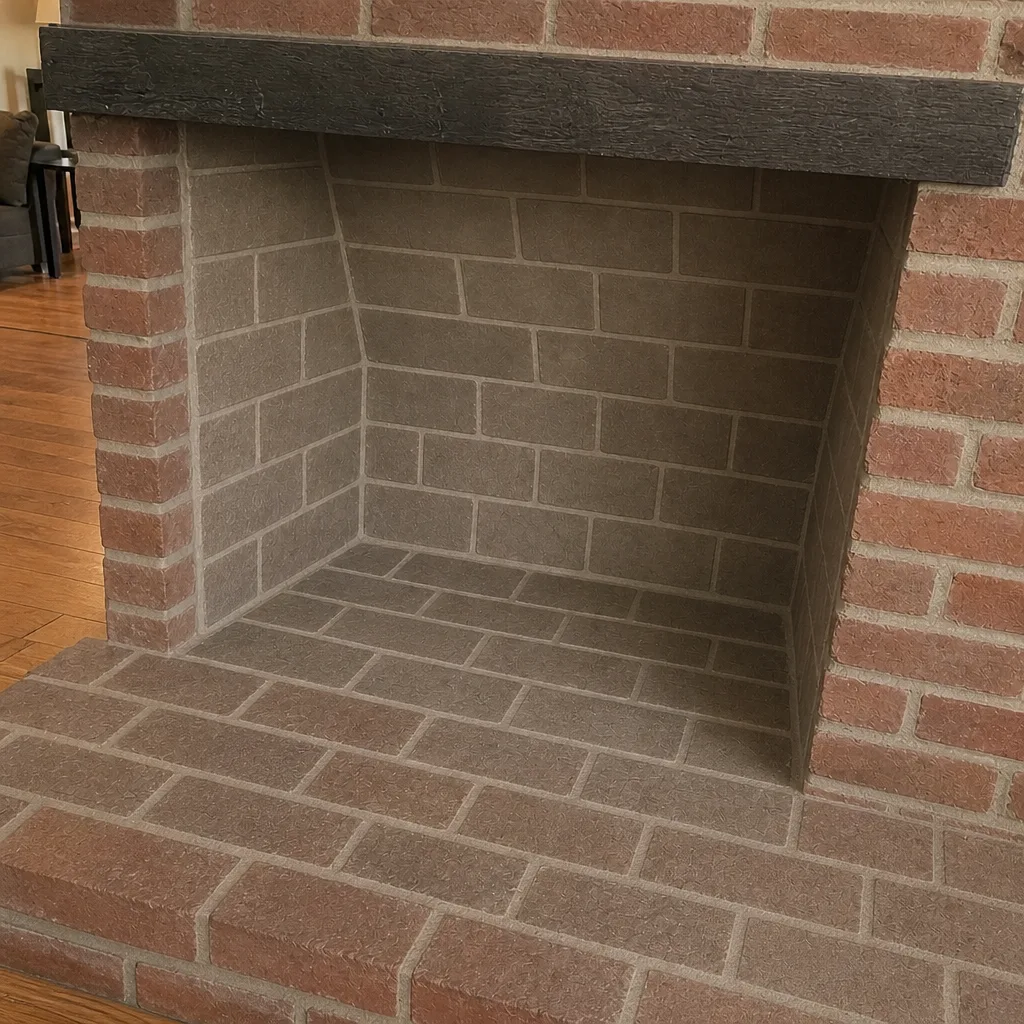
See the difference
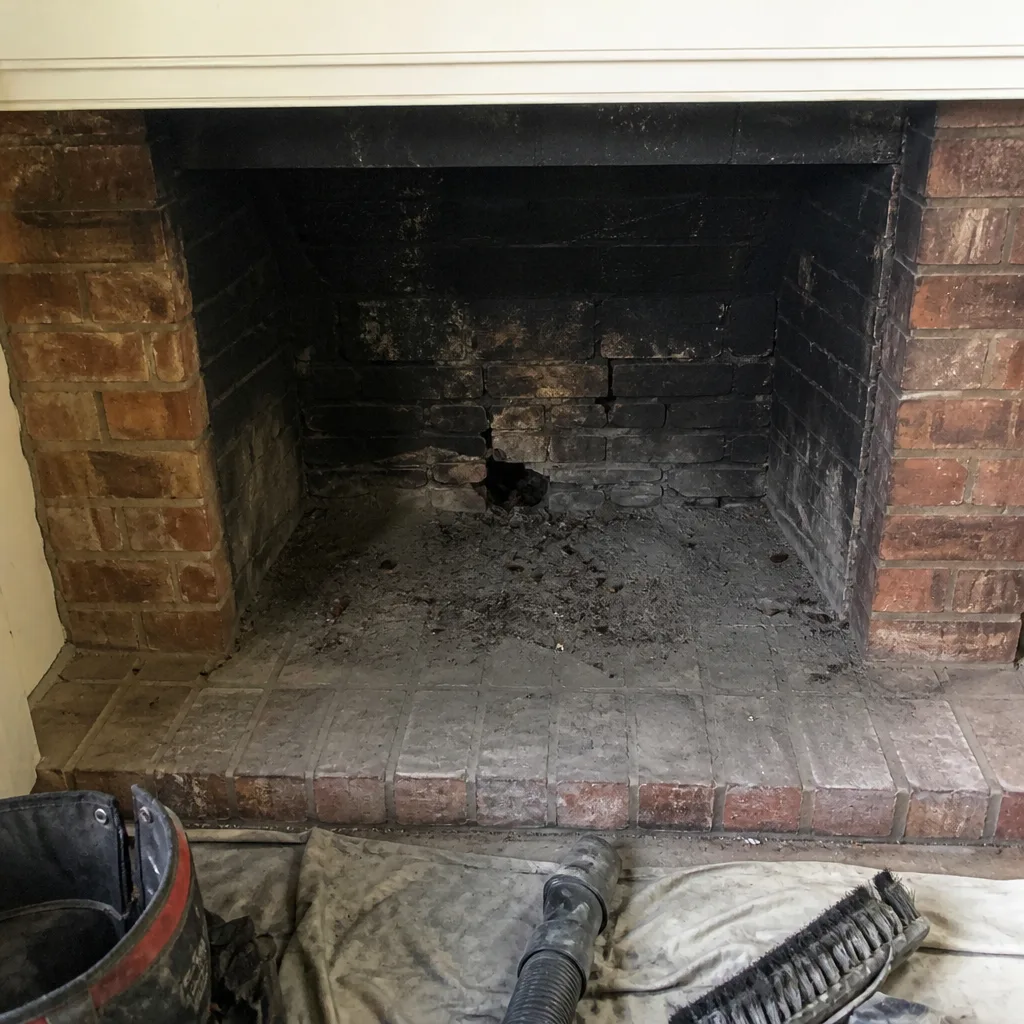 Before
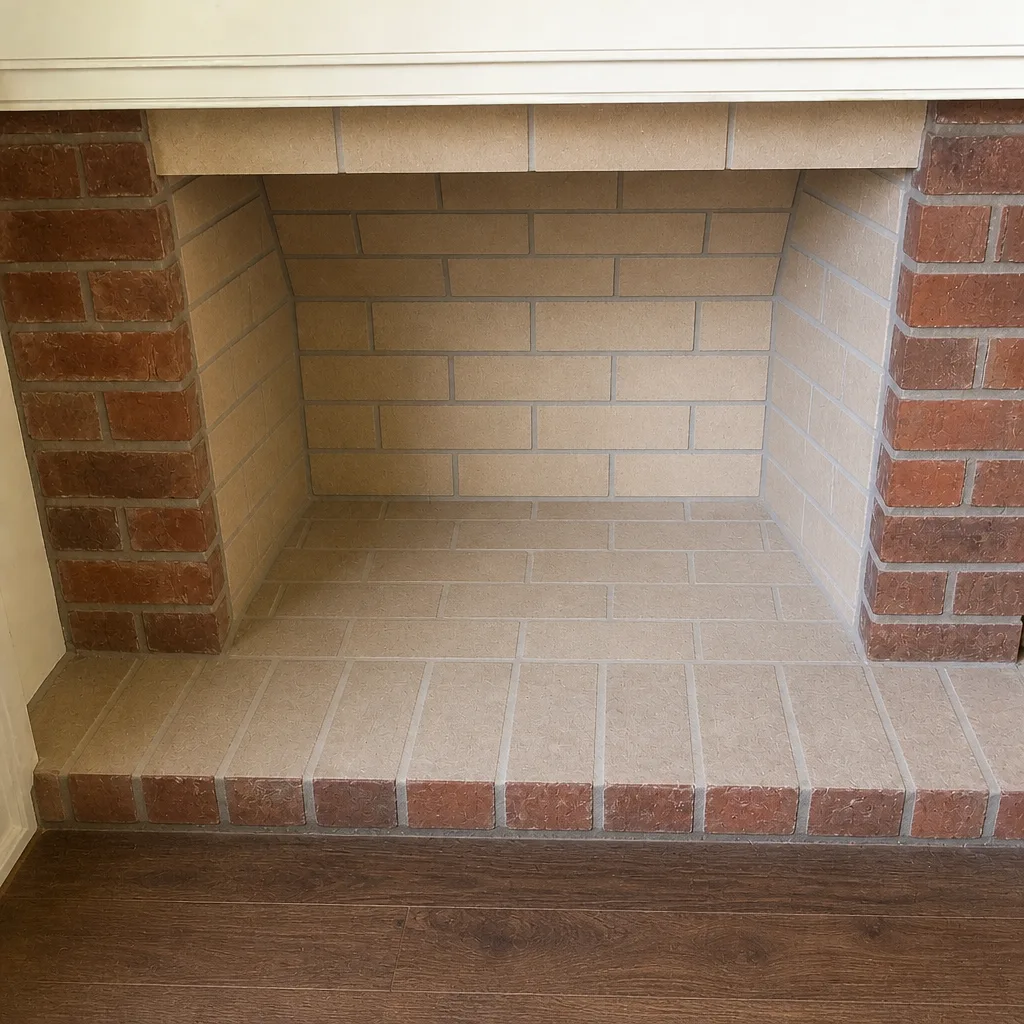 After
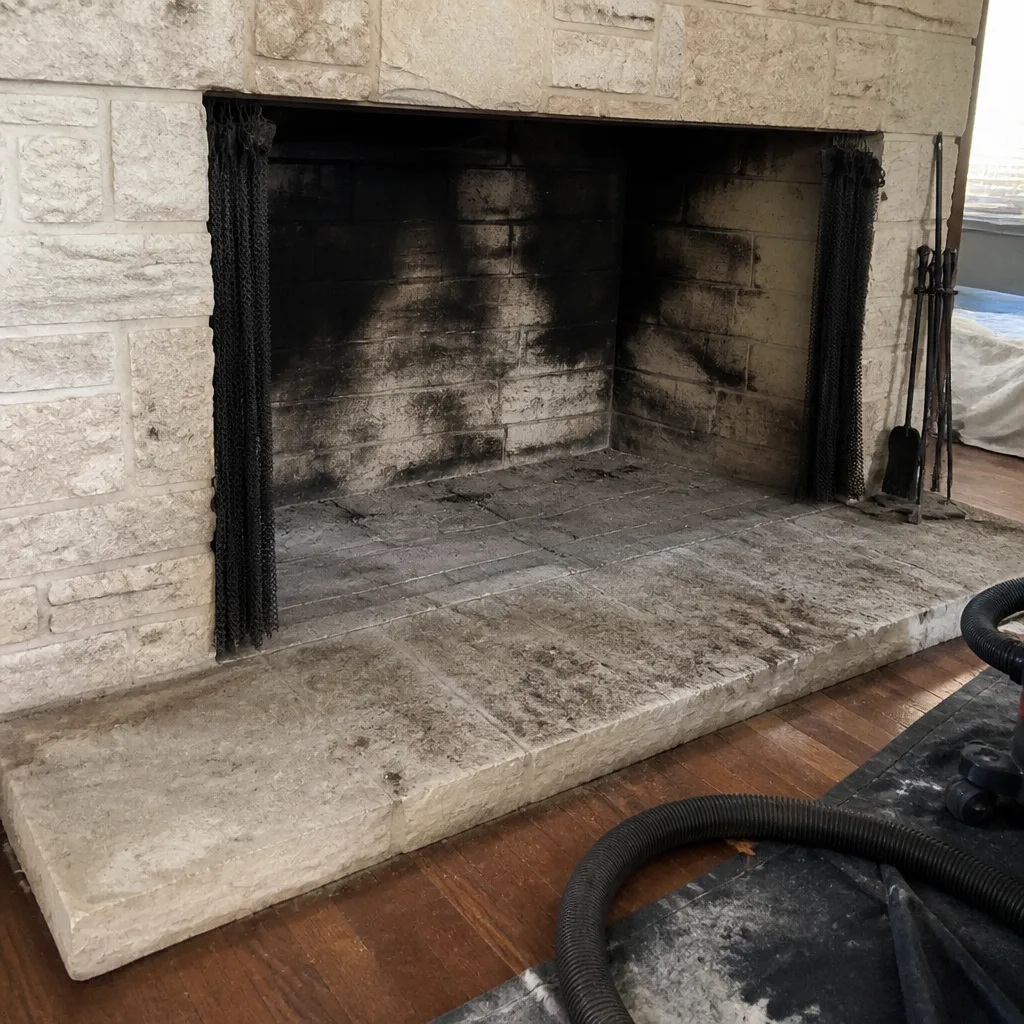 Before
 After
 Before
 After
When to Call a Professional
Some chimney issues are fine to watch and wait on. Others need a trained eye. Call a professional if any of the following comes up: a fire that smokes into the room or drafts poorly, a smell of creosote or soot in the house during idle months, visible water stains or crumbling mortar around the chimney, an animal that you suspect has nested in the flue, a damper that won’t open or close, or a liner concern you can’t verify on your own. Any gas appliance with a suspicious smell, a pilot that won’t stay lit, or visible sooting should be checked by a trained technician before you use it again. And any time you’re unsure whether your chimney needs work, an inspection settles it with evidence. Buena Park Chimney Sweep Pros offers free estimates in Buena Park. Call (877) 792-7250. We answer 24/7, and crews are dispatched Sunday through Friday, 7am to 7pm.
Frequently Asked Questions
Plan a sweep and inspection every 1-2 years if you burn under a face cord of wood per season, annually if you burn more than that, and inspect a gas log set or insert every year with cleaning only when soot or debris builds up. The interval should follow how much you burn, not the calendar. If you’re not sure, an inspection with a camera shows how much buildup you have. Call (877) 792-7250 for a free estimate and a look at your own flue.
Even a rarely used chimney needs three checks every year: the cap, animal intrusion, and the damper. These protect against the things that fail while the fireplace is dark, like rain getting into the flue, a bird nesting, or a damper corroding open. A light-burner may go two years between sweeps, but these three checks are annual. Schedule them in shoulder season, before the fireplace sits idle through summer. Call (877) 792-7250 to book a spring check.
Yes. A gas insert needs an annual inspection of the burner, venting, connections, and glass, even though it produces little or no creosote. The tasks are completely different from wood-burning maintenance, and most guides blur the two together. Gas work is a safety item, so leave the connection and burner checks to a trained technician. Call (877) 792-7250 for a free estimate on a gas insert inspection.
Late spring for the cap, animal, and damper checks, and early fall for the sweep or inspection before burning season. Doing the structural checks in shoulder season lets you fix small problems before summer, and the fall sweep gets the flue clean before the first fire. Booking early also means you’re not fighting the fall rush. Call (877) 792-7250 to set up your spring or fall appointment.
Creosote keeps building up on the flue walls, a failing cap lets moisture and animals in, and a stuck damper compromises the fireplace from idleness alone. None of that announces itself, which is why skipped maintenance often surfaces as a bigger repair later. Left long enough, creosote buildup becomes a fire hazard once the fireplace is lit again. A camera inspection tells you exactly what a skipped season has done. Call (877) 792-7250 for a free estimate and a look at your own flue.
You can keep it yourself, and you should, because a dated log of what was done and when is what an inspector or adjuster will trust. Add the date, the work, the findings, and any photos to a simple notes file or spreadsheet. Ask the technician for a written report and photos so your log has evidence behind it, not just dates. Call (877) 792-7250 for a free estimate and start the record with an inspection.
The Bottom Line
A chimney maintenance schedule should follow your burn, not a January 1st sticker on the calendar. Track how much wood you actually go through, and let that set your sweep interval. Whatever your burn, cap inspection, animal intrusion checks, and damper tests belong on a fixed spring schedule, because that’s when the chimney sits idle through Buena Park’s long warm season. Gas inserts follow their own annual drill, distinct from wood-burning upkeep. Keep a dated log with photos so the record holds up when someone else reads it. When you’re ready to put the schedule on paper, call (877) 792-7250 for a free estimate. We answer 24/7, with fast dispatch from 7am to 7pm, Sunday through Friday.
Written by the team at Buena Park Chimney Sweep Pros.