
Last updated November 25, 2026
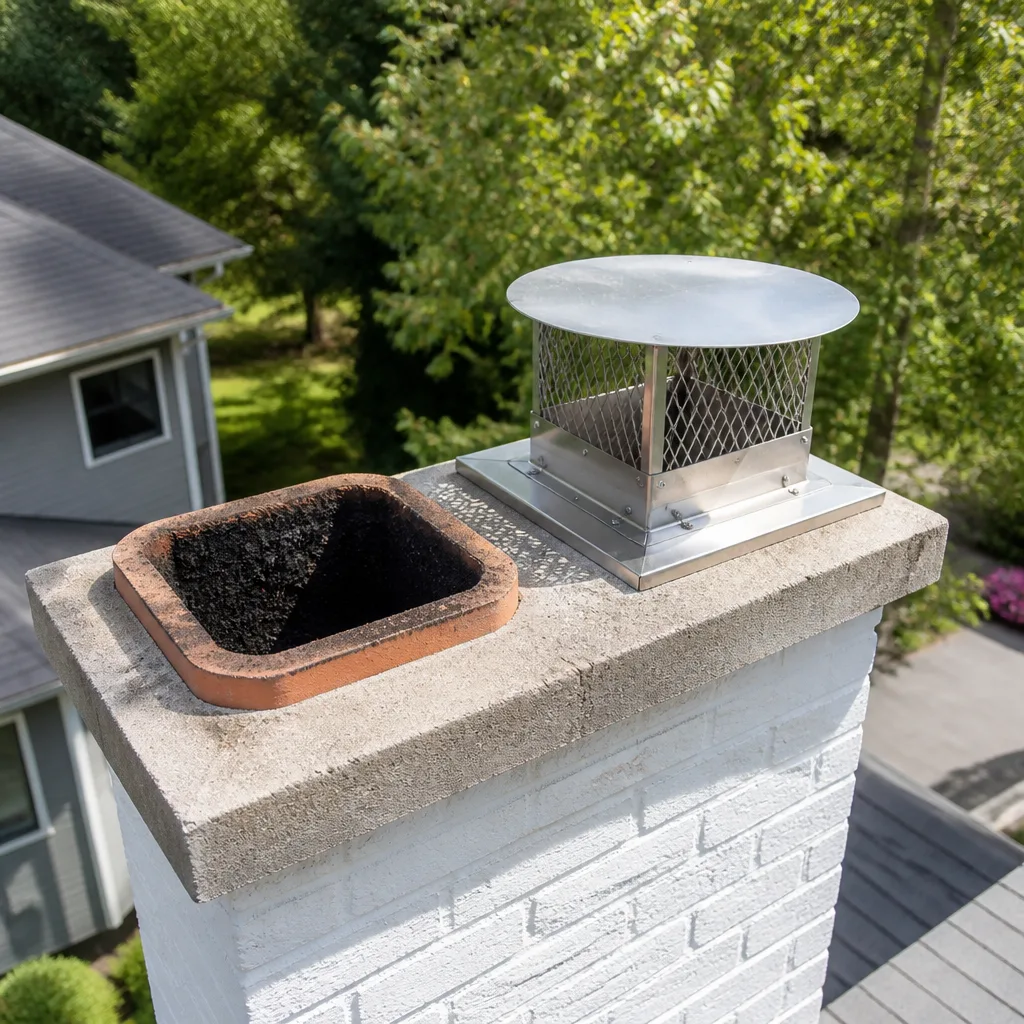 Sweep & inspection
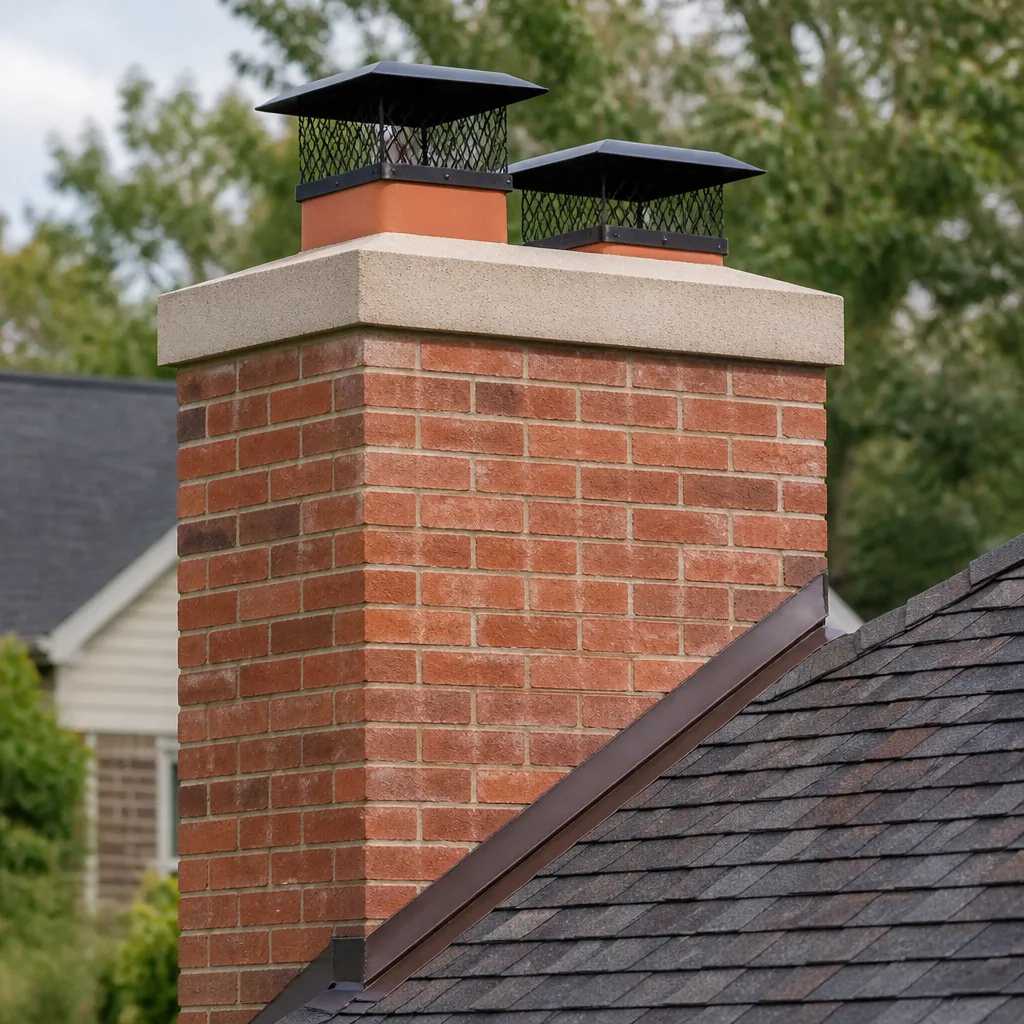 Caps & crowns
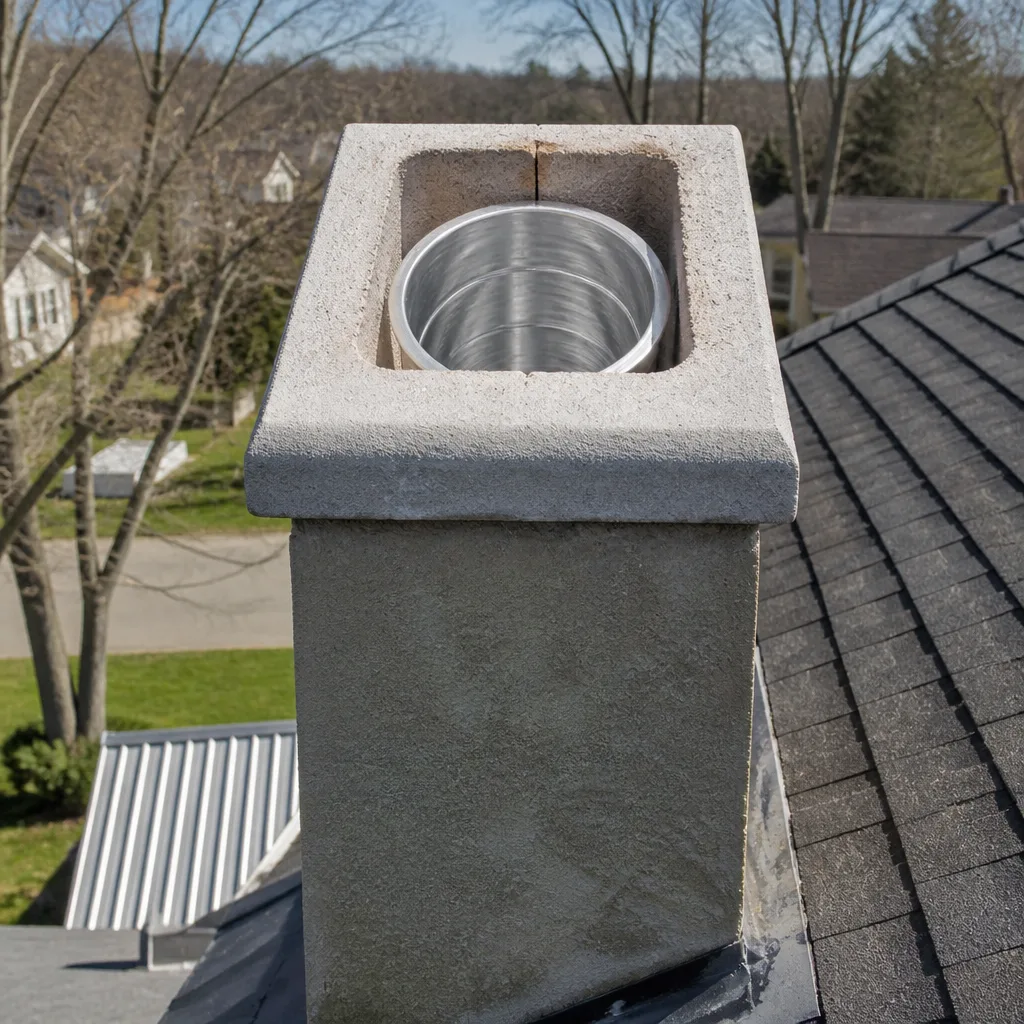 Flue relining
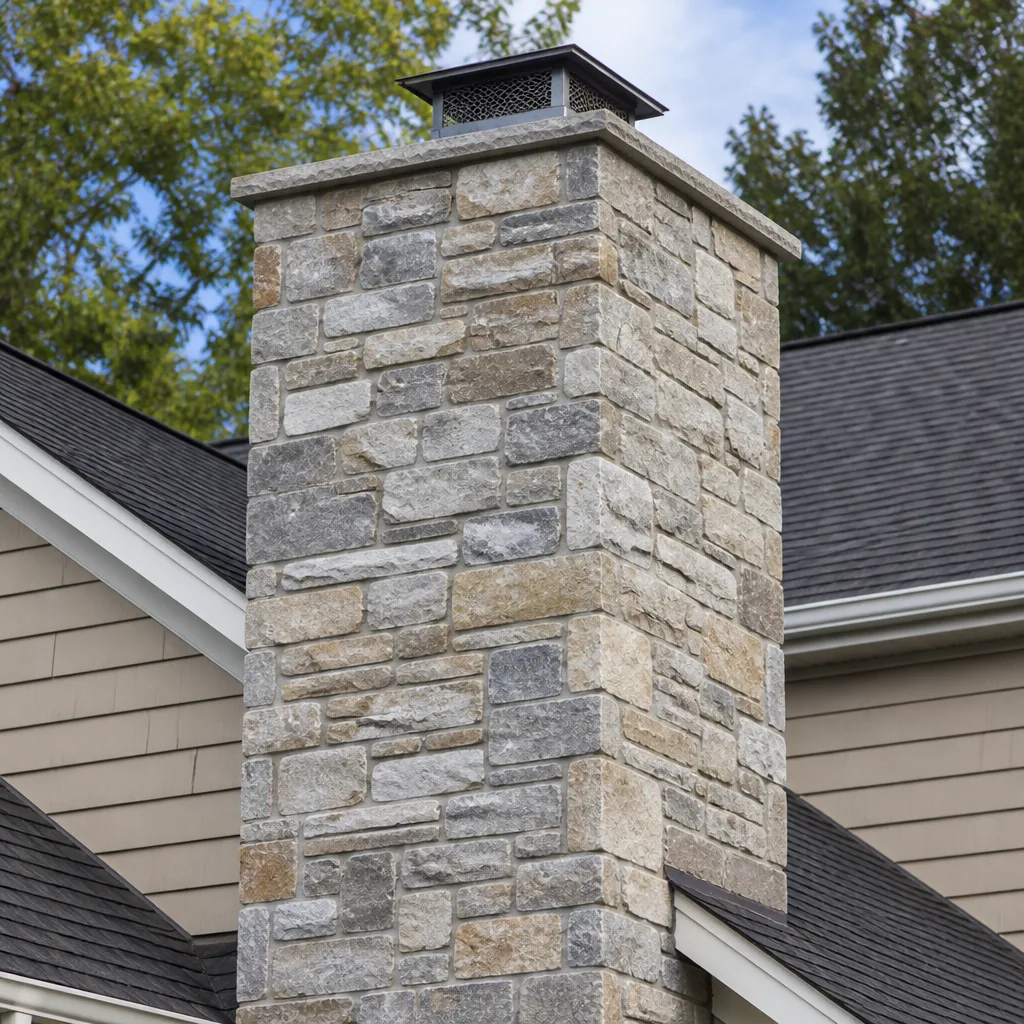 Masonry repair
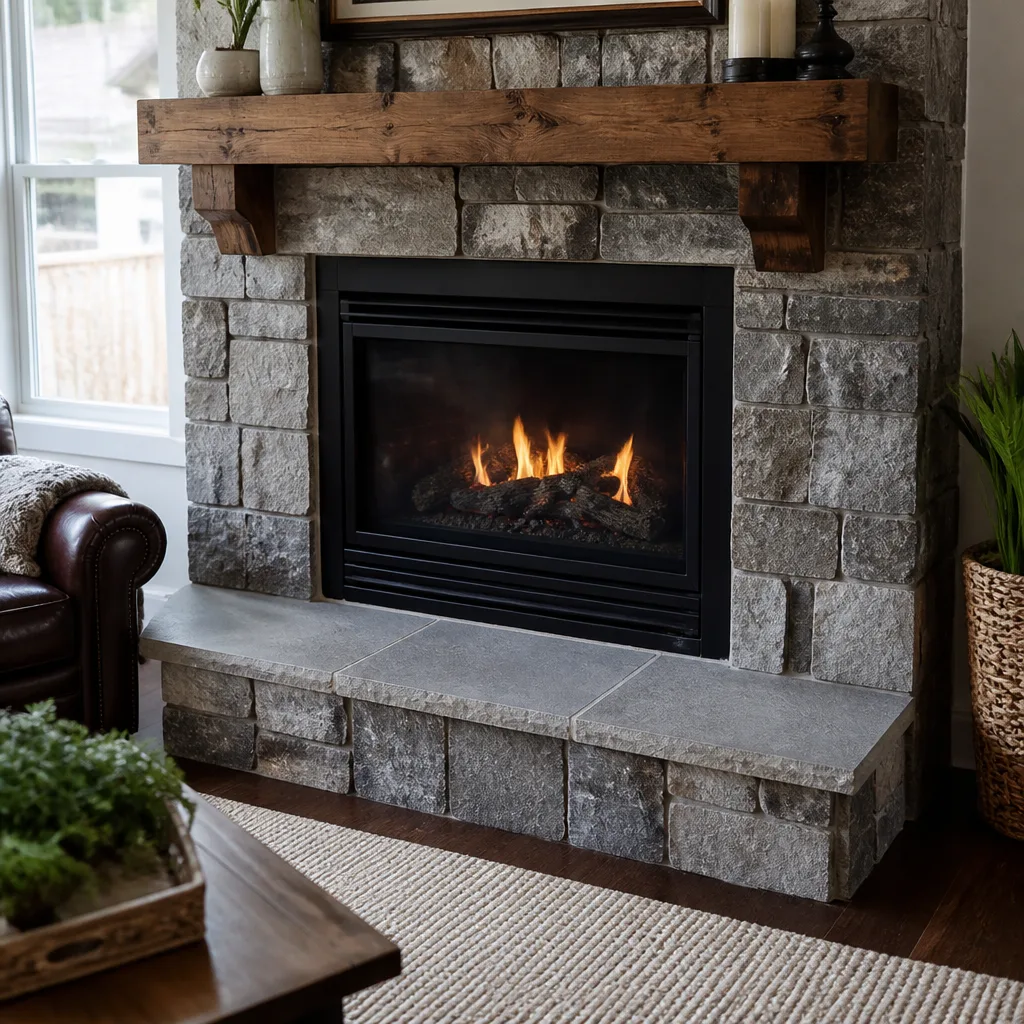 Gas fireplace service
Level 1 sweep and inspection to the NFPA 211 annual standard - flue, crown, cap, and flashing checked and photographed
Chimney sweep logs do not sweep chimneys. They loosen some creosote - which then falls where a brush and vacuum still have to collect it.
Chimney Sweep Maintenance Checklist for Buena Park Homeowners
The most dangerous item on most homeowners’ chimney checklists is the one that isn’t there: the gas fireplace they assumed needed no maintenance at all. Gas logs don’t send creosote up the flue the way wood does, so it’s easy to decide the whole system takes care of itself. It doesn’t. Vented gas fireplaces still move exhaust, dust, and moisture through the flue, and debris from birds and masonry still collects at the bottom. In Buena Park, where mild winters mean fireplaces sit idle for months and then get used hard for a short stretch, that gap between “not using it” and “using it constantly” is where small problems quietly turn into expensive ones. This guide gives you a checklist that actually fits Buena Park homes, not a form copied from a cold-weather market.
Quick Answer
A complete chimney maintenance checklist has three tracks (wood-burning, gas log, and decorative-only), a set of exterior items specific to stucco-clad chimneys, and a season-by-season task calendar. Wood-burning chimneys need a professional sweep and inspection once a year or after roughly a cord of wood; gas and decorative fireplaces still need an annual inspection even though they produce little or no creosote. Between professional visits, homeowners can safely check caps, crowns, flashing, and screens by eye, but anything involving the flue interior, the firebox, or the roof edge belongs to a trained sweep.
Styles & brands we work with
- Sweep & inspection
- Caps & crowns
- Flue relining
- Masonry repair
- Gas fireplace service
Table of Contents
- Why Your Checklist Needs Three Separate Tracks
- Track 1: The Wood-Burning Fireplace Checklist
- Track 2: The Gas Log Fireplace Checklist
- Track 3: The Decorative-Only Fireplace Checklist
- Exterior Checks for Stucco-Clad Chimneys
- A Month-by-Month Calendar for Buena Park’s Seasons
- What You Can Safely Check Yourself (and What You Can’t)
- How to Document Your Chimney With Photos
Why Your Checklist Needs Three Separate Tracks
Most chimney checklists you’ll find online are written for one kind of fireplace: the wood-burning masonry unit in a house that sees four months of hard winter. Buena Park isn’t that market. Homes here run the range from original masonry fireboxes in older tracts to gas log sets installed during a remodel to fireplaces that are decorative and have never held a real fire. Each one fails differently, and treating them the same means you either over-maintain the gas unit or under-maintain the wood one.
Here’s the practical difference, in one place:
- Wood-burning: produces creosote and ash, needs annual sweeping, and is the only track where chimney fire risk builds up with use.
- Gas log: produces little to no creosote but still vents exhaust, still collects debris, and still needs the flue and venting checked for blockage, corrosion, and proper draft.
- Decorative-only: no fire at all, so the risks shift entirely to the exterior and structure. Water intrusion, animal nests, and deteriorating masonry become the main concerns, and a missing cap is the most common failure we find.
The reason this matters for a Buena Park homeowner is that the wrong checklist gives you false confidence. A gas fireplace owner who skips the annual inspection because “there’s no creosote” is betting on an assumption. So is a decorative-fireplace owner who never looks at the crown. Splitting the tracks makes it obvious what actually applies to your home.
Track 1: The Wood-Burning Fireplace Checklist
If you burn real wood, this is the track that carries the most risk and the most maintenance. Creosote, the tar-like residue left by wood smoke, is flammable, and it accumulates in the flue whether you notice it or not. A trained sweep removes it and, just as importantly, inspects the flue for cracks, gaps, and liner damage that creosote and heat can worsen. The National Fire Protection Association’s guidance, which the trade follows, calls for an annual inspection and a sweep when there’s enough buildup to warrant it.
The annual wood-burning checklist looks like this:
- Schedule a professional sweep and inspection. Once a year, or after about a cord of wood, whichever comes first.
- Check the cap and spark screen. The cap keeps rain, birds, and squirrels out of the flue. A bent or missing screen lets embers out and animals in.
- Look at the firebox and damper. Cracks in the firebox brick, a damper that won’t open fully, or a damper that won’t seal are all reasons to call.
- Check the ash pit and cleanout. Keeping ash levels reasonable helps draft and reduces the mess a sweep has to work through.
- Confirm the wood you’re burning is dry and seasoned. Wet wood makes more smoke and more creosote. This is the single easiest thing you control.
- Note any odor, smoke spillage, or draft problems during the season. These are symptoms a sweep can trace, and they get harder to diagnose once you’ve stopped burning for the year.
If your firebox or damper needs work beyond cleaning, that crosses into fireplace repair, which is a different job with different materials. We handle both, which means you don’t have to coordinate two contractors to get one fireplace working.
Track 2: The Gas Log Fireplace Checklist
This is where the misconception lives. Gas logs don’t build creosote the way wood does, so a lot of homeowners conclude the chimney needs nothing. But a vented gas fireplace still has a flue, and that flue still needs to be clear and intact. The exhaust has to go somewhere, and if it can’t leave cleanly, it comes back into the room.
Your gas log checklist should cover:
- Annual inspection of the flue and venting. Clear blockage, confirm the liner is intact, and check for corrosion or debris.
- Check the logs themselves. Cracked or deteriorating logs can affect how the set burns, and the burner assembly should be inspected for dust, spider webs, and blocked ports.
- Look for soot streaks or discoloration on the surround or above the firebox. That can point to a draft or venting issue that needs a professional look.
- Confirm the damper or venting setup is configured correctly for the log set. Gas logs are installed either vented or vent-free, and the setup matters for how the unit is meant to run.
- Clean any debris from the firebox floor. Dust, pet hair, and the occasional fallen bird nest find their way in, even with a cap that’s doing its job.
Carbon monoxide is the reason this track isn’t optional. A clean-burning gas log set is generally safe, but a blocked or damaged flue can back exhaust into the living space, and CO gives no warning. If you have a carbon monoxide alarm, the checklist should include testing it once a year and replacing the battery. If you don’t have one, this guide is a good reason to get one. Any gas appliance that smells off, soots, or sets off an alarm is a call-us-now situation, not a wait-and-see one.
Track 3: The Decorative-Only Fireplace Checklist
Plenty of Buena Park homes have a fireplace that’s never held a fire, or hasn’t in years. That doesn’t make it maintenance-free, it just moves the risk. With no fire, you’re not worrying about creosote. You’re worrying about water, animals, and the slow deterioration of masonry and flashing that nobody’s watching.
For a decorative-only fireplace:
- Make sure the cap is present and intact. This is the number one thing. A missing cap lets rain straight down the flue and lets birds and rodents move in.
- Look for staining on the firebox interior. Water streaks or efflorescence (the whitish mineral deposit that shows up when moisture moves through masonry) mean water is getting in somewhere.
- Check the damper operation. Even an unused damper that’s stuck or rusted can be a clue that moisture is present.
- Confirm the flashing where the chimney meets the roof. This is a leak point on any chimney, and it’s easy to miss from the ground.
- Inspect periodically for animal activity. Nests, droppings, or scratching sounds are all reasons to have someone look.
- Have it inspected once a year anyway. An inspection on a decorative chimney is quick, and it catches exterior problems before they get expensive. We’d rather tell you it’s fine than find out later it wasn’t.
If you’re planning to convert a decorative fireplace back to wood-burning, that conversation starts with an inspection, not a purchase. The flue needs to be evaluated for what you intend to do with it.
Exterior Checks for Stucco-Clad Chimneys
Stucco is everywhere in Buena Park’s housing stock, and a stucco-clad chimney has a specific set of failure points that a masonry or siding chimney doesn’t. Stucco is a hard shell over a softer structure, so when it cracks, water gets behind the shell where there’s no easy path back out. Over time, that trapped moisture works on the framing and the flashing, not just the surface. We see this repeatedly on homes across the city, and it’s the reason this section exists as its own checklist.
The exterior items worth checking, and worth having a professional look at:
- Cracking in the stucco. Hairline cracks can be cosmetic. Widening or stair-stepped cracks are a different story and usually point to movement or water.
- Efflorescence. The white, chalky bloom on stucco means moisture is moving through the masonry and evaporating at the surface. It’s a message, not just an appearance issue.
- Flashing separation. Where the chimney meets the roof, the flashing should be tight against the chimney and the roof. Pulling away, lifting, or visible gaps let water in.
- Crown condition. The concrete crown on top of the chimney sheds water away from the flue. A cracked crown funnels water into the masonry instead. This is one of the most common and most overlooked failures.
- Caps and screens. Stucco or not, every flue needs a cap and a screen. We install these as a standalone service because a missing cap causes more chimney damage than almost anything else.
- Staining on the chimney sides. Dark streaks or drip marks can be from water running over a failed crown or flashing.
If you see any of these, it’s worth a look. We install and work with Gelco crown products and Olympia Chimney caps, along with Copperfield for waterproofing, because the right material for a stucco chimney is not the same as a generic caulk job. That’s part of why we work with an intentional roster of brands rather than whatever’s on the shelf.
A Month-by-Month Calendar for Buena Park’s Seasons
Here’s where a generic chimney checklist falls apart. Most of them are written for a Northeast fire season, where the burning starts in October and runs through March. Buena Park’s climate is mild and dry for most of the year, with a winter that’s cool enough for fireplaces but nothing like a frozen season. That changes when you should do what. The maintenance items are the same, but their timing looks different here.
Here’s how a Buena Park homeowner should think about the year:
- Late summer into early fall (roughly August – October): This is prime time to book your annual sweep and inspection. Fireplaces are about to get used, and if anything needs repair, you want to know now, not in December. The rainy season is also approaching, so any crown, flashing, or cap work should be done before the first real rain.
- Late fall through winter (roughly November – February): Burning season. During this window, watch for smoke spillage, odors, and draft problems, and note anything that shows up. Check the cap visually if you can see the roofline. Test your carbon monoxide alarm.
- Spring (roughly March – May): This is a good window for exterior checks because the weather is dry and any winter water damage becomes visible. Cracking or efflorescence is more obvious. If your annual sweep is happening in this window instead, that’s fine too, especially for gas and decorative chimneys, which don’t have a creosote deadline tied to burning.
- Summer (roughly June – August): The fireplace is likely off, which makes it the easiest time to do repairs, crowns, caps, and liner work without interrupting your use of the fireplace.
The key point is that “annual” doesn’t mean “at the same time next year, whenever you remember.” It means pick a window and stay consistent. For a wood-burning chimney, the fall window has the advantage of putting you on the right side of the burn season. For gas and decorative chimneys, the exact month matters less than actually doing it once a year.
One local note: because Buena Park’s winters are mild, the classic advice to “heat your chimney slowly at the start of the season” matters less here than in cold climates, but it’s not a bad habit. A cold flue draft on the first fire of the year is a real thing, and slow starts help.
What You Can Safely Check Yourself (and What You Can’t)
We’re all for homeowners knowing their chimney. A homeowner who looks at the cap and crown once a season catches problems earlier, and an informed call is a better call. But there’s a line between what you can check from the ground or a window and what requires a trained sweep, and knowing that line matters. The danger of overreaching here isn’t a botched DIY repair. It’s a fall from a roof, or a sweep-grade inspection skipped because the checklist made it look easy.
Here’s where the line sits:
Safe to check yourself, from the ground or safely from a window:
- Whether a cap is present and intact, if you can see the roofline.
- Visible cracking, staining, or efflorescence on the exterior chimney.
- Smoke behavior when burning (spillage, back-drafting, unusual odor).
- The damper opens and closes by hand.
- Carbon monoxide alarm battery and test function.
- Ash level in the firebox.
Requires a trained professional:
- Anything inside the flue. This is a camera-and-rod job, and it’s where creosote, cracks, and liner damage get found.
- Getting on the roof to check crown, flashing, and cap installation. Ladder and roof work is where injuries happen, and it’s not worth it.
- Firebox and damper inspection beyond a visual.
- Any determination of whether a liner is sound, whether resurfacing would work, or whether a repair can wait.
- Gas appliance servicing, including burner assemblies and any venting adjustment.
On the sweep side, we use camera inspection as a standard part of the job, and we give you a photo report of what we found. That matters for this checklist because it’s the difference between a chimney being “probably fine” and you seeing the inside of your own flue.
How to Document Your Chimney With Photos
The single best thing a homeowner can do that most never do is build a photo baseline of their chimney. It takes ten minutes, it costs nothing, and it pays off the first time you hire someone for a chimney repair. When you have photos from before, you can tell whether what a contractor is showing you is a new problem or a condition that’s been there for years. You can also tell whether a repair has held up.
Here’s a simple, safe procedure:
- Photograph the fireplace before you start. Get a clean shot of the firebox interior, the surround, and the hearth. These are what wear and crack over time.
- Photograph the damper in open and closed positions. This is a quick one, and it matters if you ever need to prove the damper was working.
- Photograph the exterior chimney from the ground. Walk the perimeter of the house and photograph the chimney from every angle you can safely reach. Get a shot straight on and a shot showing the roofline and the cap. If you have a safe, non-ladder view from a window, use it.
- Photograph the crown and flashing area if you can see them from a safe vantage. Do not climb on the roof. If you can’t see them safely, leave it and let the professional photograph them for you.
- Note the date on each file. A folder organized by year is enough. You’re building a record, not a portfolio.
- Save the inspection report and photo set a professional gives you in the same folder. When you hire someone for a sweep or chimney repair, the photo report becomes part of your record, and every future check has something to compare against.
We push camera inspection and photo reports as standard practice, not a premium add-on. The reason is straightforward: the biggest hesitation homeowners have about chimney work is being told they need thousands of dollars of repairs they can’t verify. Nothing should be recommended without camera evidence you can see for yourself. When work can safely wait, we tell you that too, in writing, so you have a baseline and a date.
Common Mistakes to Avoid
- Assuming a gas fireplace needs no maintenance. Gas logs don’t make creosote, but they still vent through the flue, and a blocked or damaged flue is a carbon monoxide concern. An annual inspection is not optional just because there’s no wood.
- Skipping the cap because the chimney “looks fine.” A missing or damaged cap is the most common failure we find. It lets in rain, birds, and squirrels, and the damage it causes takes years to show up and thousands to fix. Caps are cheap compared to what they prevent.
- Ignoring stucco cracks and efflorescence. In Buena Park, stucco is the exterior shell on many chimneys, and a crack lets water behind it where it does hidden damage. Efflorescence is the visible sign that moisture is already moving through the masonry.
- Hiring a sweep who never shows you the inside of the flue. A sweep without camera inspection is a cleaning without evidence. Ask for a photo report, and if you don’t get one, ask why.
- Booking based on whoever answers first and sounds cheapest. Chimney work has a real competency range, and the brands and methods matter (HeatShield resurfacing vs. full relining, DuraFlex vs. rigid liner, proper caps vs. generic ones). A low price with no photo report is not a bargain.
- Treating “annual” as a loose suggestion. A wood-burning chimney needs a sweep once a year or after roughly a cord of wood. Skipping a year because “we hardly burned” is a common reason problems get discovered later, when they’re bigger.
- Not keeping records. If you move or refinance or hire a new contractor, the photo baseline and last inspection report tell the whole story. Without them, every contractor starts from scratch.
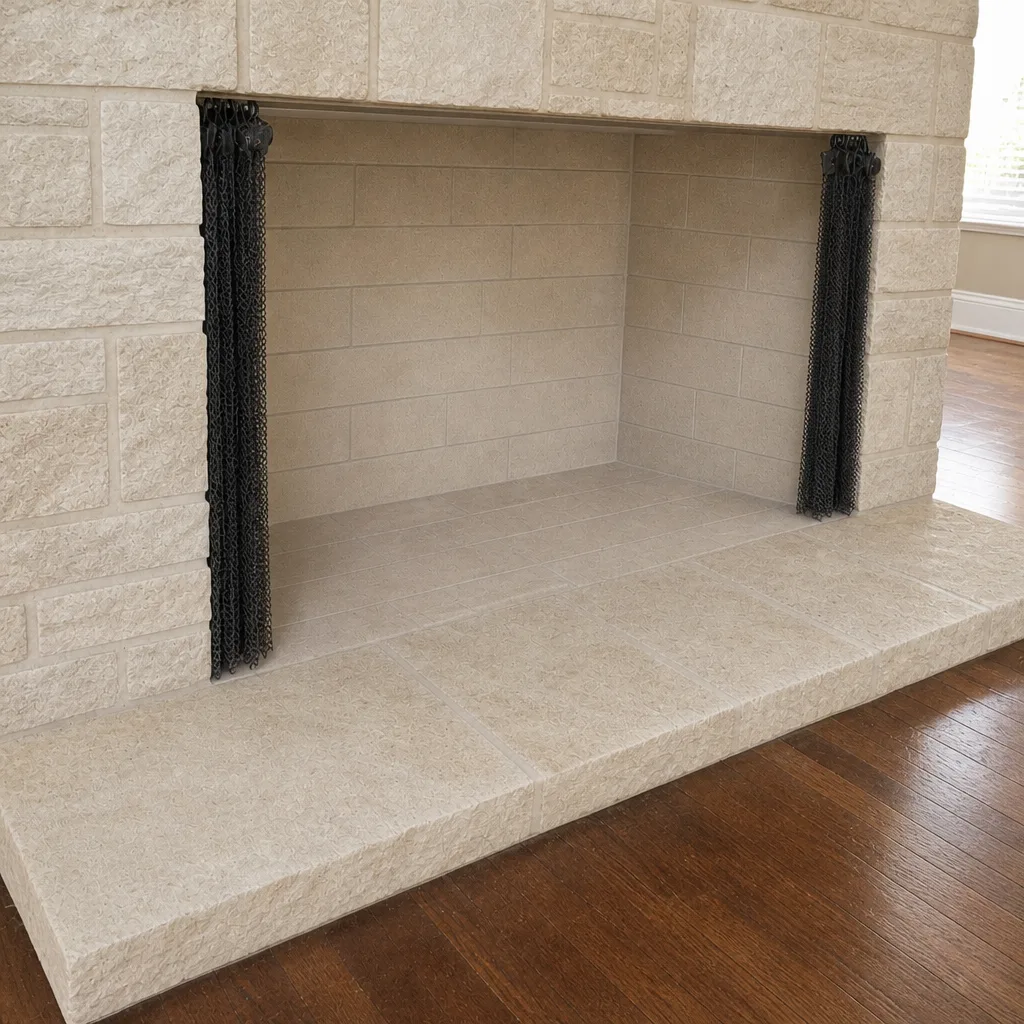
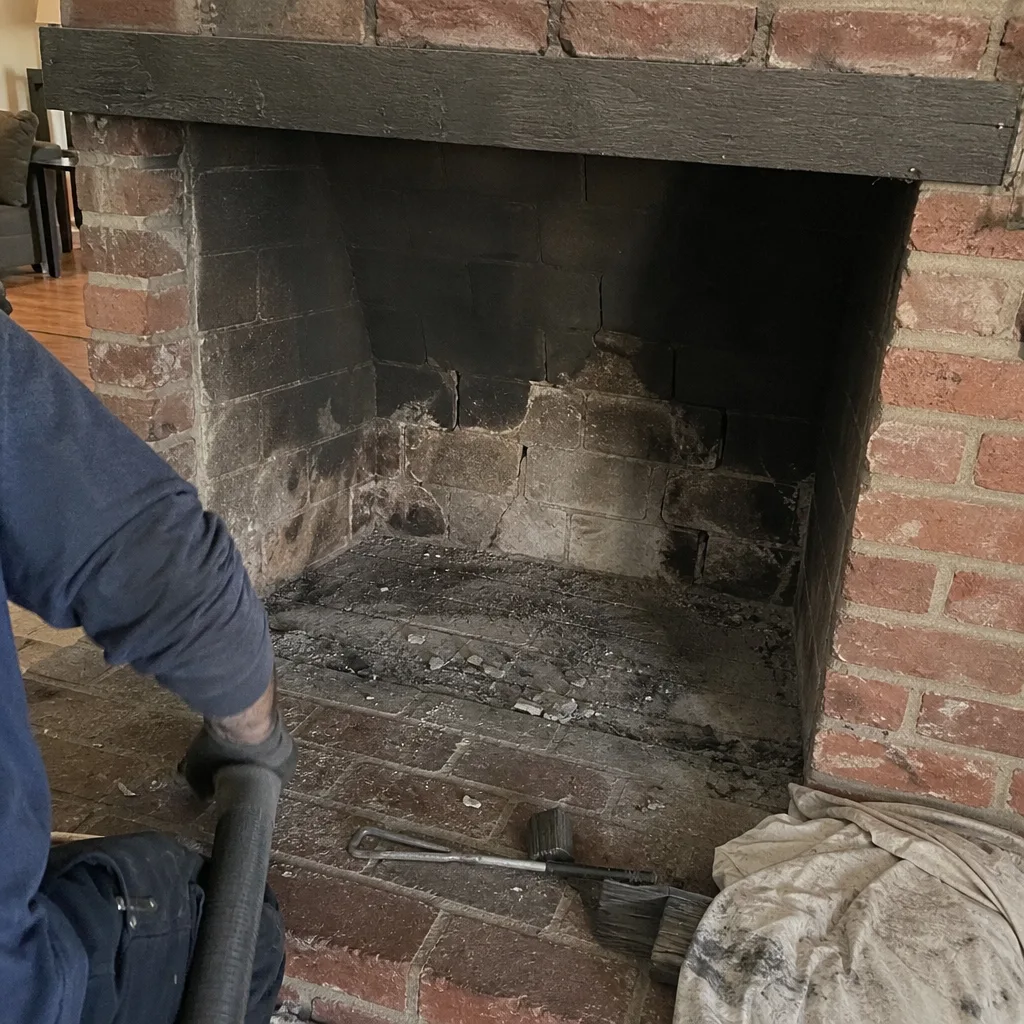
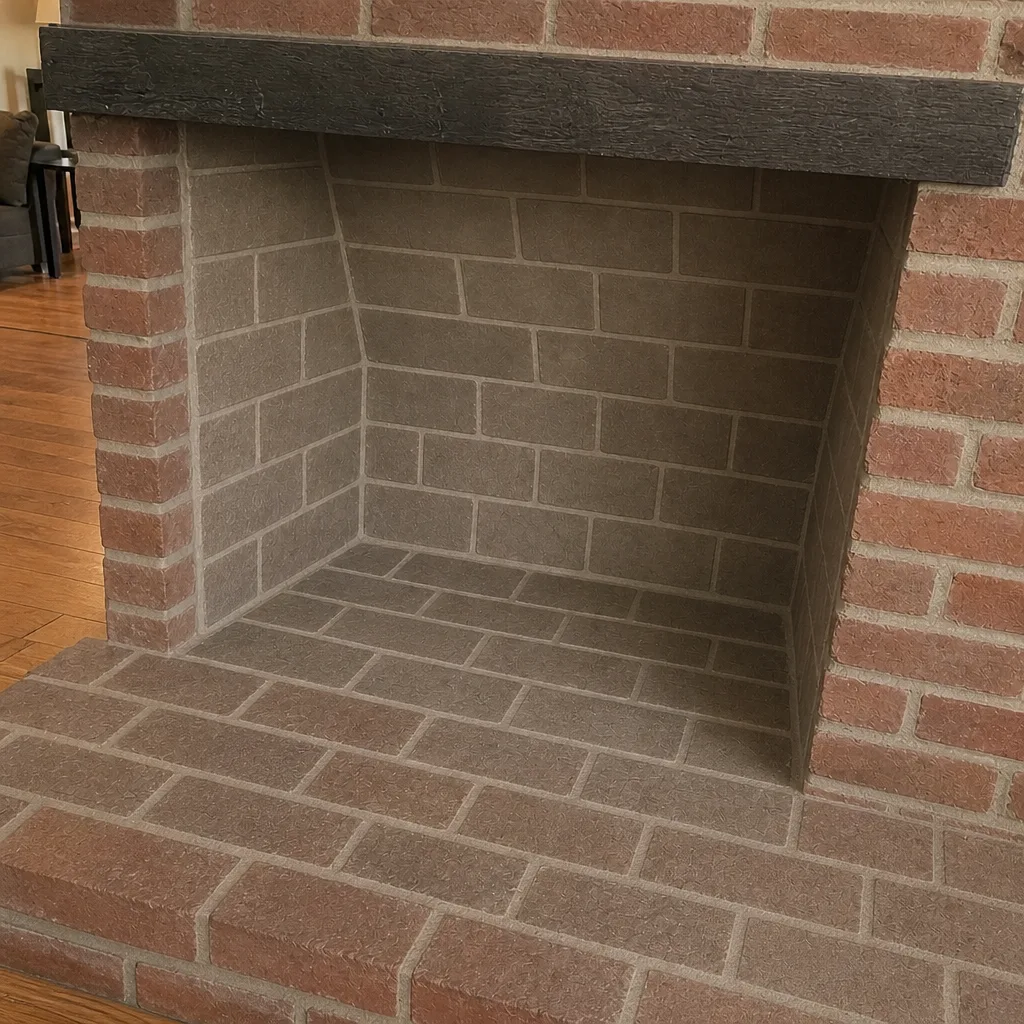
See the difference
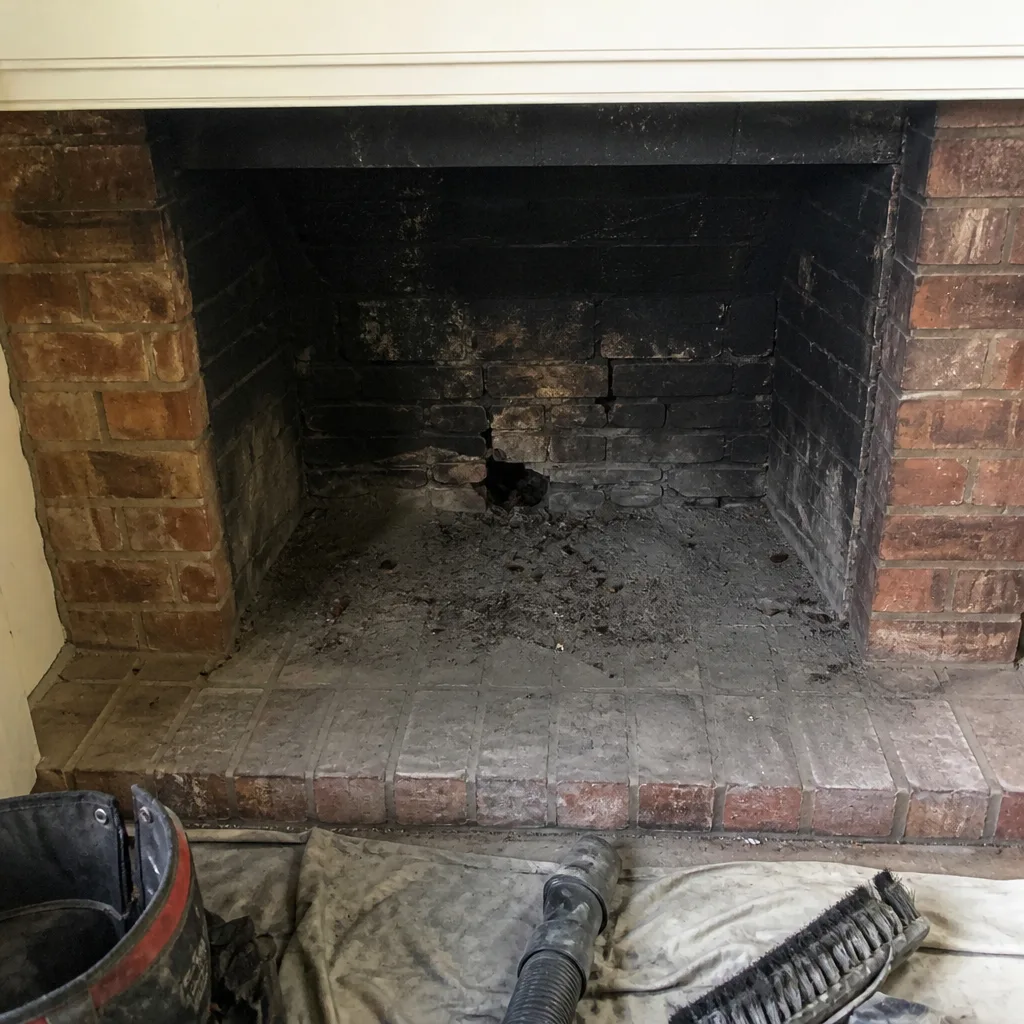 Before
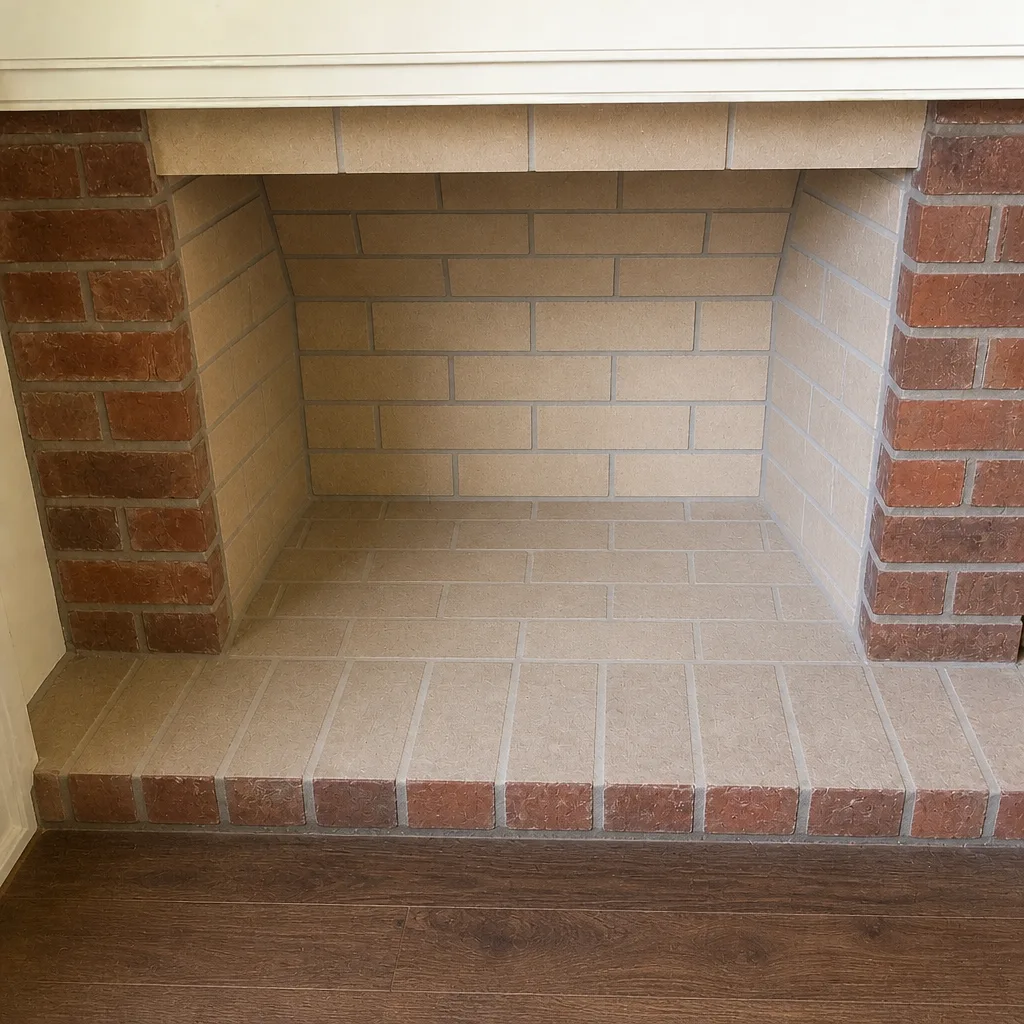 After
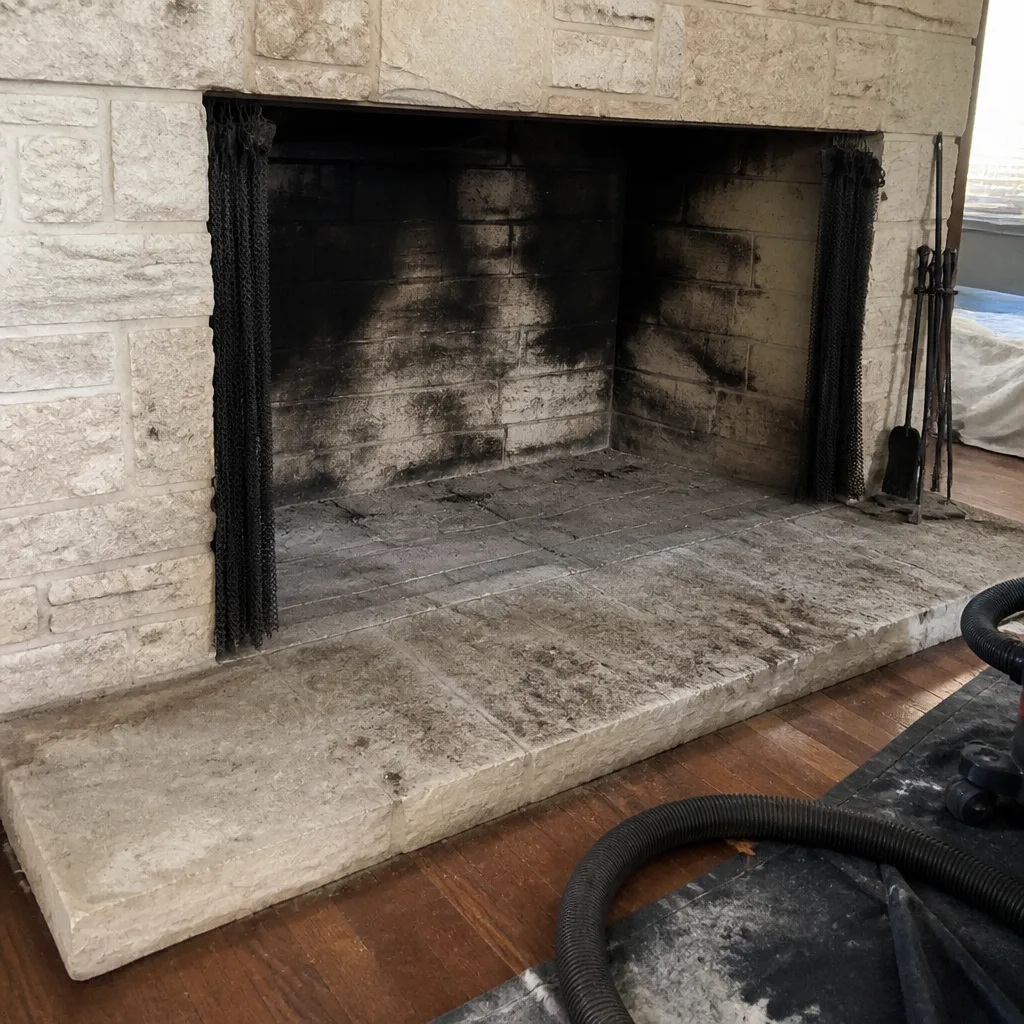 Before
 After
 Before
 After
When to Call a Professional
Some items on this checklist are a call, and some are a “next time you’re up there.” The ones that are a call right away: any smoke spilling into the room instead of going up the flue; a carbon monoxide alarm that sounds or any gas smell from a gas fireplace; a chimney that has visible water staining or efflorescence after a rain; a firebox with a crack you can see; a missing cap or loose flashing; or any animal activity you can hear or smell. The “book it” items: the annual sweep for a wood-burning chimney, the annual inspection for gas and decorative fireplaces, and any crown or stucco work you can see needs attention.
Buena Park Chimney Sweep Pros offers free estimates in Buena Park. Call (877) 792-7250. We answer 24/7, and fast dispatch runs from 7am to 7pm, Sunday through Friday. Our technicians have up to 14 years of experience, and we work with the brands and materials that fit your specific flue rather than whatever’s cheapest in the truck. If you’re not sure whether your chimney needs a sweep or just an inspection, we’ll tell you on the phone.
You can also start with our Buena Park Chimney Sweep Pros page to see the full scope of what we do, or go straight to booking a chimney sweep to get your annual checklist started.
Frequently Asked Questions
Once a year for a wood-burning chimney, or after about a cord of wood, whichever comes first. Gas and decorative fireplaces should be inspected once a year even though they don’t need the same kind of sweeping. Buena Park’s mild winters don’t reduce the burn-year requirement, because creosote builds up with use, not with cold weather.
Yes, an annual inspection is still needed, though it’s an inspection rather than a sweep in most cases. A gas log fireplace still vents exhaust through the flue, and a blocked or damaged flue can let carbon monoxide back into the room. Inspections also catch debris, bird nests, and venting problems that a gas fire never announces on its own. Call (877) 792-7250 if you’re not sure which service your gas fireplace needs.
Look for cracking, efflorescence (the white chalky bloom on the surface), visible flashing separation at the roof, and the condition of the cap and crown from a safe vantage point. Don’t climb on the roof. Photograph what you can see from the ground so you have a baseline. Any widening crack or visible water staining is a reason to have a professional look.
Sometimes yes, sometimes no, and the difference is what the camera inspection shows and how quickly water is getting in. A hairline crack in good weather may safely wait with a plan. A crown that’s actively funneling water into the masonry is a different situation. Nothing should be recommended without evidence you can see, and when work can safely wait, we say so and give you a written date.
For a wood-burning chimney, skipping an inspection lets creosote build up without a check, which is a chimney fire risk, and it means cracks or liner damage go unnoticed. For a gas or decorative chimney, skipping the inspection means a blocked flue, animal nest, or water intrusion can go on longer than it should. Most skipped inspections turn out fine. The reason to do them is the ones that don’t.
Ask for three things: a camera inspection, a written photo report, and evidence of the materials they’d actually install. A qualified sweep shows you the inside of your flue, uses professional-grade systems (we install and work with DuraFlex, HeatShield, Gelco, Olympia Chimney, Famco, and Copperfield), and gives you a written scope before you commit. If the answer is a truck, a brush, and a handshake with no photos, that’s your signal. Call (877) 792-7250 for a free estimate; the price for the work is set per job by the written estimate.
The Bottom Line
The checklist isn’t the same for every Buena Park home, and that’s the point. Wood-burning, gas log, and decorative-only fireplaces need three different maintenance tracks, and stucco-clad chimneys add an exterior set of checks that a generic guide won’t mention. Plan your year around Buena Park’s actual seasons, keep photos as your baseline, and hire someone who shows you the inside of your flue before recommending work. Our technicians have up to 14 years of experience, and we handle everything from a routine sweep to HeatShield resurfacing and DuraFlex liner installation, so the whole checklist stays with one company.
Call (877) 792-7250 for a free estimate. We answer 24/7, with fast dispatch from 7am to 7pm, Sunday through Friday.
Written by the team at Buena Park Chimney Sweep Pros.