
Last updated November 25, 2026
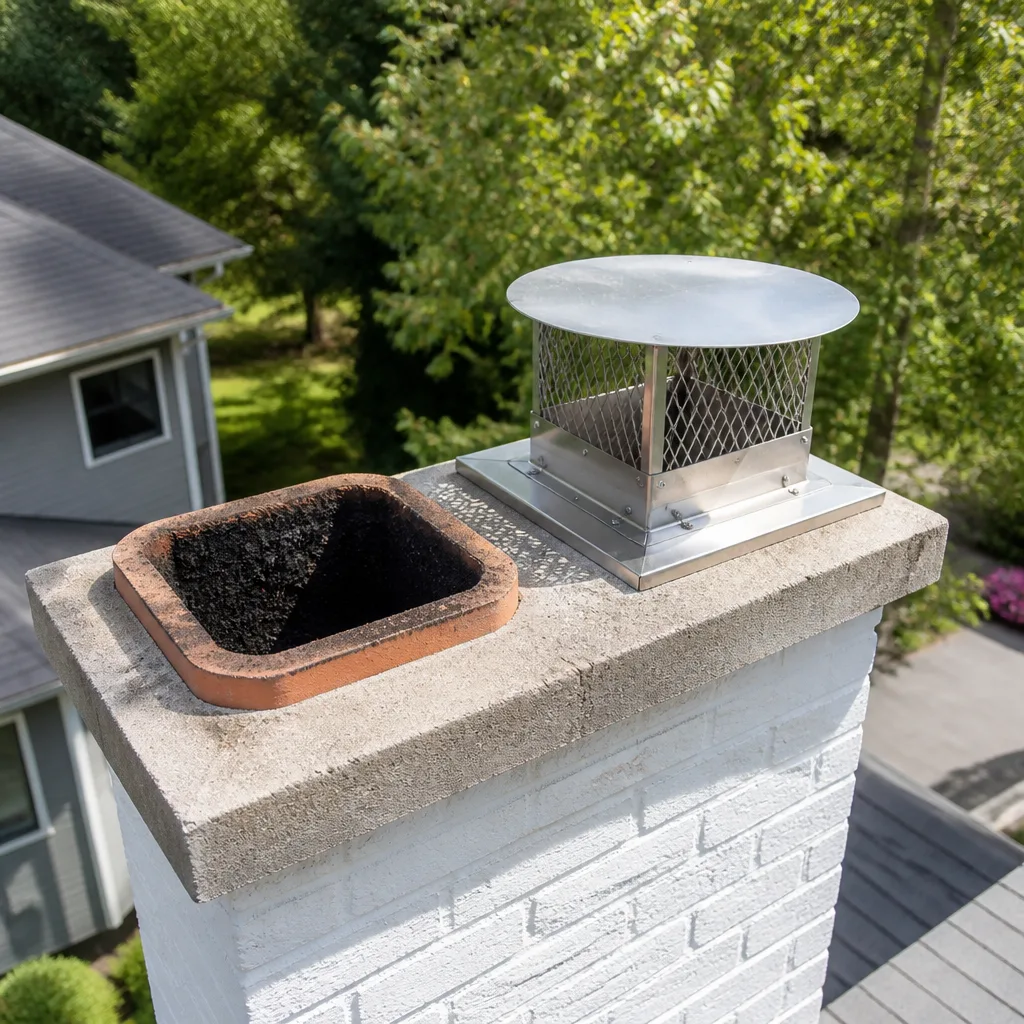 Sweep & inspection
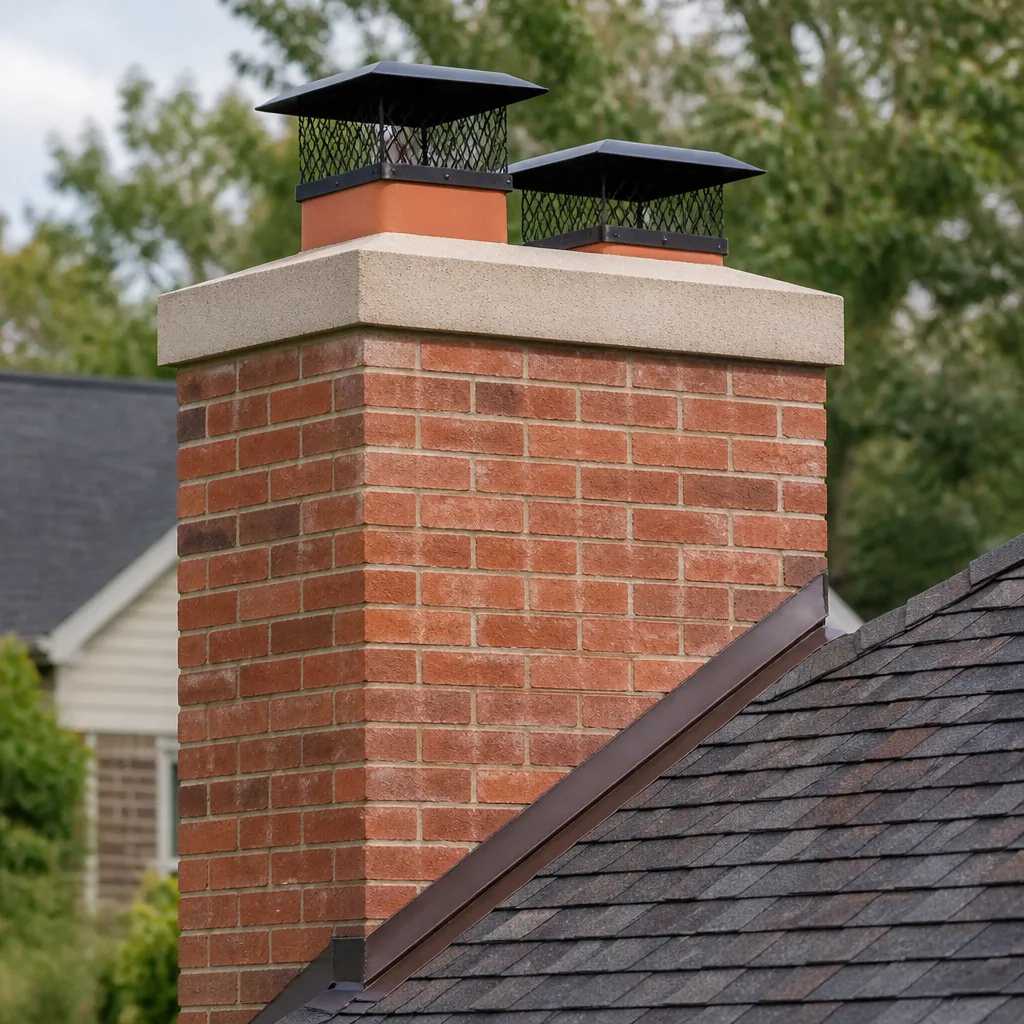 Caps & crowns
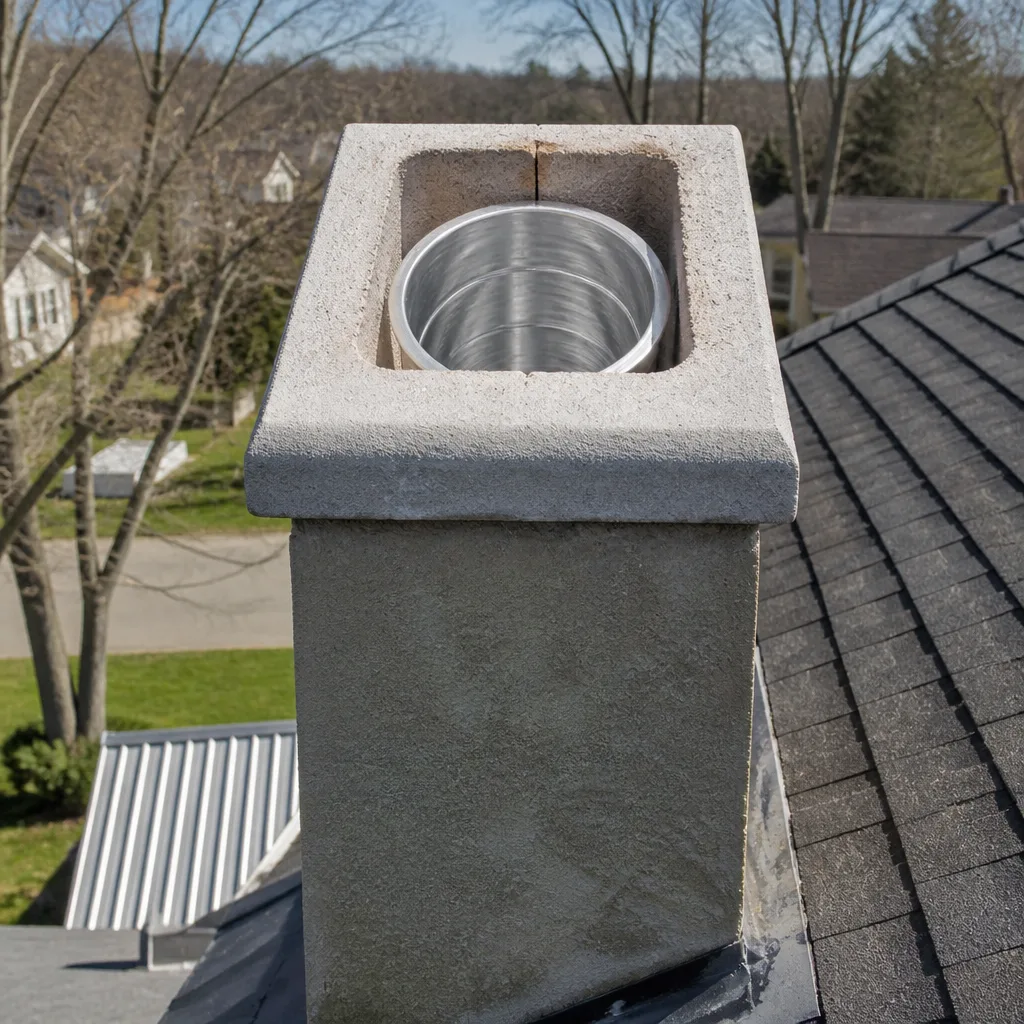 Flue relining
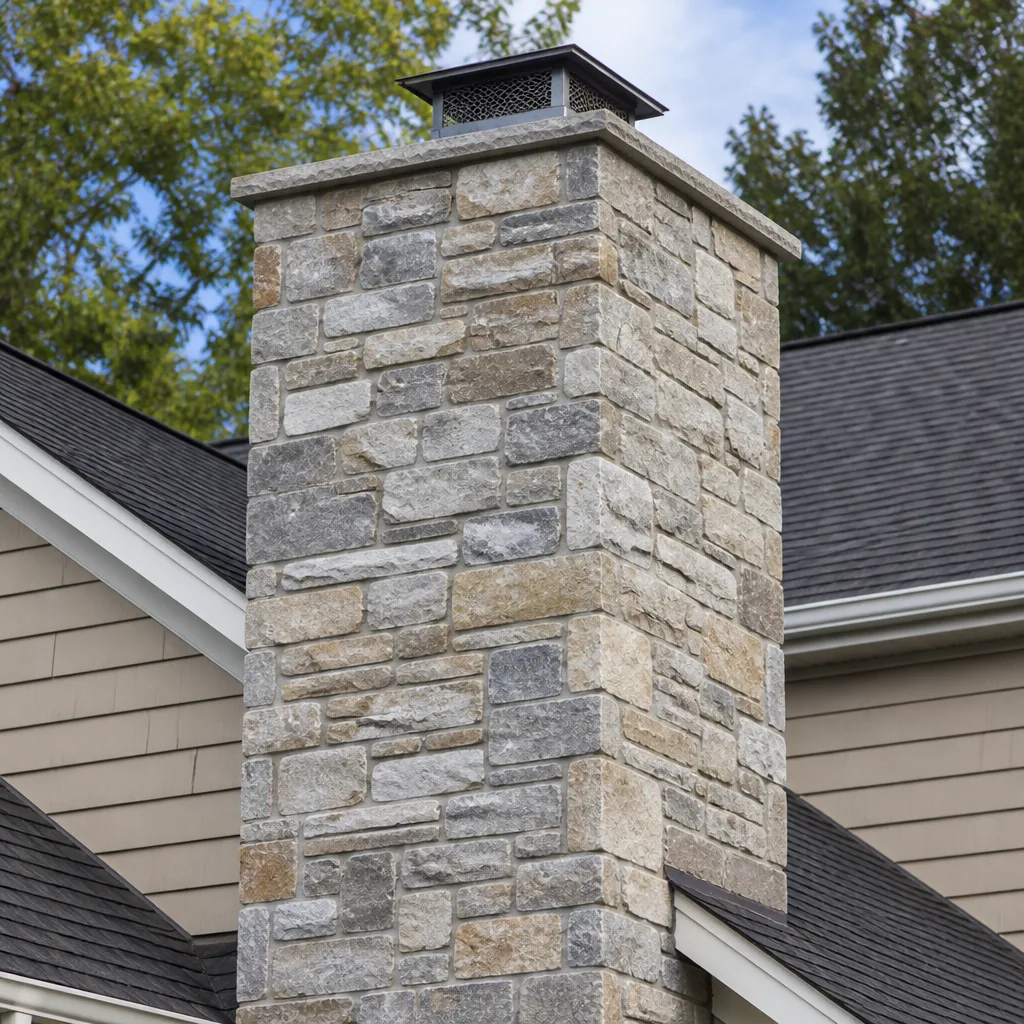 Masonry repair
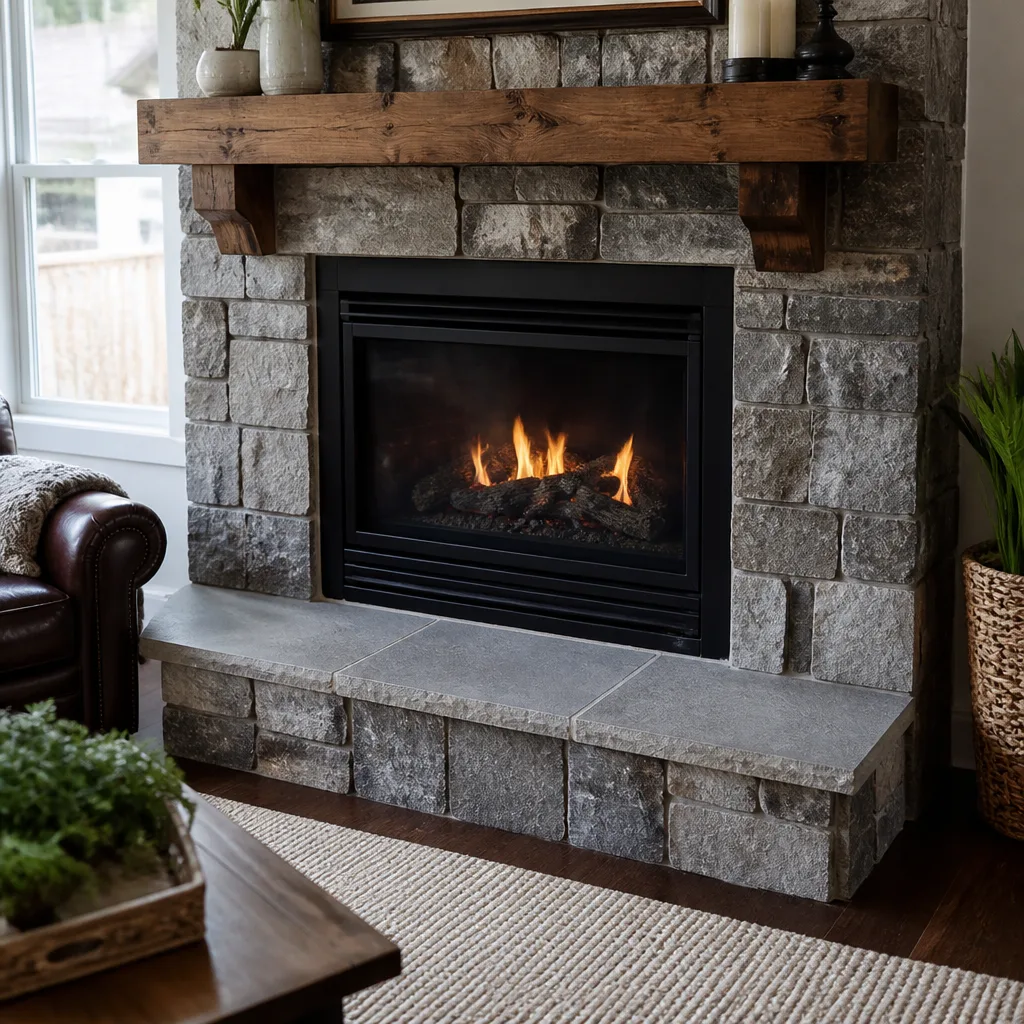 Gas fireplace service
Level 1 sweep and inspection to the NFPA 211 annual standard - flue, crown, cap, and flashing checked and photographed
Chimney sweep logs do not sweep chimneys. They loosen some creosote - which then falls where a brush and vacuum still have to collect it.
The Complete Guide to Chimney Cleaning in Buena Park
Most Buena Park homeowners light their fireplace a handful of times a year. Maybe a few cool evenings in December, a holiday fire or two, then nothing until the next winter. That light use feels safe. It isn’t necessarily so. A fire that burns occasionally and a flue that cools between uses builds a different kind of problem than a fire that runs every night, and it’s the kind most national chimney guides never mention. This guide explains what your chimney actually deals with in Buena Park’s climate, what a real cleaning involves, and how to tell a professional sweep from a handyman with a brush.
Quick Answer
A chimney in Buena Park should be cleaned and inspected once a year, even if you only burn a few fires each season. Mild winters, marine-layer humidity from the coast, and long idle periods between fires all affect how creosote and debris collect inside the flue. A professional sweep removes that buildup, and a camera inspection confirms whether the liner, cap, and crown are still doing their job.
Table of Contents
- Why Mild Weather Doesn’t Mean a Safe Chimney
- What Creosote Is and How It Forms in an Occasionally Used Fireplace
- How Marine Layer Humidity Affects Your Chimney Liner
- Chimney Sweep vs. Level 2 Inspection: What’s the Difference?
- What “Professional-Grade” Cleaning Actually Means
- Palm Fronds, Roof Rats, and Other Buena Park Chimney Problems
- Caps and Crowns: The Preventive Work Most Sweeps Skip
- How Often Should You Clean Your Chimney in Buena Park?
Why Mild Weather Doesn’t Mean a Safe Chimney
A chimney in a cold climate gets a workout. It runs hot for months, which keeps the flue warm and helps keep deposits drier. Buena Park is the opposite. Winters are mild, fires are occasional, and the flue spends most of the year cold and idle. That pattern changes what collects inside it.
When you light a fire in a cold flue, the smoke cools quickly on its way up. Cool smoke condenses on the flue walls faster than hot smoke does. Over a season of short, infrequent fires, that condensation builds a sticky layer of creosote that a single evening of hard burning might not produce. The fires you skip don’t help the way you’d expect.
There’s a second factor at work in a mild climate: debris. An idle chimney is an open shaft on a roof. Palm fronds, leaves, seed pods, and dust blow in through an uncapped flue. Birds and rodents treat an open flue as a sheltered space. All of it accumulates in layers that don’t burn away on their own.
We’ve seen the same pattern across Buena Park neighborhoods, from older homes near the Buena Park Downtown area to newer houses around Beach Boulevard. Low use doesn’t reduce the need for an annual cleaning. It changes what the cleaning is for.
- Short fires, cold flue: smoke condenses faster and leaves stickier deposits.
- Long idle periods: debris collects in an uncapped or poorly capped flue.
- Moderate year-round temperatures: no deep winter burn cycle to keep the flue dry and warm.
- Less frequent sweeping: problems go unnoticed longer because the chimney seems “unused.”
What Creosote Is and How It Forms in an Occasionally Used Fireplace
Creosote is the residue left behind when wood smoke cools and condenses inside a chimney. It forms in three stages. Stage one is a light, flaky soot that a brush removes easily. Stage two is a shiny, hardened glaze that clings to the flue. Stage three is the dense, tar-like coating that’s the hardest to remove and the most flammable.
In a heavily used chimney, stage one soot tends to dominate early in the season. In a lightly used chimney in a mild climate, the cooling pattern pushes deposits toward stages two and three faster than most people expect. A homeowner who burns a cord of wood a year might still find glazed creosote in their flue after a handful of seasons.
There’s a common misconception that a chimney only needs attention if you’re burning daily. We hear it often in Buena Park. It’s the wrong test. The useful test is whether the flue has a buildup of deposits that could catch fire or restrict drafting.
Creosote is the main reason chimney fires happen. That’s not a scare tactic; it’s the plain fact of how a chimney fire starts. A trained sweep inspects the flue for buildup, removes it with the right tool for the stage involved, and tells you honestly whether the chimney is safe to use. If glazing has advanced past what a standard brush can cut, we work with HeatShield, a ceramic flue-resurfacing system, in qualifying chimneys. It restores the flue surface without the cost of a full reline.
- Stage 1: flaky soot, easy to remove, common after a single season of use.
- Stage 2: hardened, glazed creosote that adheres to the flue wall.
- Stage 3: dense tar coating that requires specialized removal.
How Marine Layer Humidity Affects Your Chimney Liner
Buena Park sits close enough to the coast that morning marine layer humidity makes its way inland most of the year. You’ll notice it on a summer morning, cool and damp before the sun burns through. Your chimney notices it too. That moisture has a different effect on a liner than the dry heat of an inland valley.
Moisture that enters a masonry chimney through a cracked crown, a missing cap, or a failed flashing joint doesn’t just dampen the flue. It cycles in and out with the day. Masonry absorbs moisture overnight, then releases it as the sun warms the chimney. That cycle stresses the mortar joints and the flue tile. Over years, that stress shows up as spalling brick, cracked tile, or a masonry liner separating from the chimney structure.
Metal liners face a different risk. Moisture inside a flue without a working cap creates a damp environment that accelerates corrosion at the seams and joints. Stainless steel systems are more resistant, but the system is only as good as its installation and its cap.
The practical takeaway for Buena Park homeowners is this: a chimney here needs a working cap more than a homeowner in a dry climate might think. It also benefits from periodic inspection to catch the small cracks in a crown before they become the source of the water damage underneath. We install chimney caps and crowns as a standalone service for exactly this reason, and we work with the right materials for each chimney. For older or non-standard flues, we install DuraFlex flexible liner systems, which handle shapes and configurations that rigid liners can’t. For masonry chimneys with stable but cracked liners, HeatShield can often restore the surface without a full reline.
Chimney Sweep vs. Level 2 Inspection: What’s the Difference?
A sweep cleans. A Level 2 inspection evaluates. They’re related but not the same, and knowing the difference tells you what to ask for when you call a Buena Park chimney company.
A standard chimney sweep removes soot, creosote, and debris from the firebox, smoke chamber, and flue. It’s a cleaning service. It doesn’t necessarily include a camera inspection of the flue interior, and it doesn’t document the condition of the crown, cap, or liner.
A Level 2 inspection goes further. It uses a camera to look at the inside of the flue from top to bottom, examines accessible portions of the chimney exterior, and records what’s found. It’s what you want when you’ve just bought a house, when you’ve had a chimney fire or a storm event, when you’ve switched fuel types, or when you’re seeing signs of trouble like a smoky fire or water stains on the ceiling near the chimney.
In our experience in Buena Park, most homeowners benefit from a sweep plus a basic inspection every year. A Level 2 makes sense in specific situations. The key is that we won’t recommend a Level 2 without a reason you can understand. If a basic sweep and visual check tell us everything is fine, that’s what we’ll say.
- Routine cleaning: annual sweep plus a visual inspection of accessible components.
- Level 2 inspection triggers: new home purchase, post-chimney-fire, storm damage, fuel change, or visible symptoms of a problem.
- Documentation: a camera inspection and photo report we walk you through before any repair is proposed.
- Same sweep booked, one visit: we plan the cleaning and inspection together so you’re not scheduling twice.
What “Professional-Grade” Cleaning Actually Means
A homeowner can buy a chimney brush from a hardware store. That’s fine for a light surface sweep, but it’s not a professional cleaning. The tools and training a real chimney sweep brings to a Buena Park home look different from a handyman’s kit.
Professional sweeps use rotary brushes sized to the flue, whip heads for smoke chambers, weighted lines for long flues, and industrial vacuums with HEPA filtration that keep soot out of your home while the work happens. They use flashlights, mirrors, and cameras to see what they’re cleaning, and they know how to clean without damaging a liner or cracking a flue tile. A handyman with a single brush and a shop vac can leave deposits behind and, worse, can miss signs of a failing liner.
- Rotary and whip brushes: cut deposits without grinding a liner’s surface.
- HEPA vacuum systems: capture soot inside the work area, keeping your home clean.
- Camera inspection tools: see inside the flue before and after cleaning.
- Proper PPE and fall protection: work on the roof done safely.
- Brand-vetted materials: DuraFlex flexible liners, HeatShield resurfacing, Olympia Chimney and Gelco components installed where they belong.
“Professional-grade” also means knowing when cleaning is enough and when a repair is needed. A sweep-only company isn’t set up to install a cap or crown, or to replace a compromised liner. We handle every step, from the sweep itself through chimney repair, so you’re not coordinating two or three contractors on a job that should be one scope of work.
Palm Fronds, Roof Rats, and Other Buena Park Chimney Problems
Every region has its local chimney problems. In Buena Park, the list looks specific. Palm debris is near the top. Palm trees drop fronds, seed pods, and dry fibers that blow onto roofs and into flues through missing or damaged caps. Those fibers don’t decompose quickly inside a chimney. They pile up, restrict airflow, and add fuel to any deposit already present.
Roof rats are the second. Southern California roof rats are climbers, and an open chimney cap is an easy entry point. A nest inside a flue blocks the draft, and the material a rat brings in is combustible. Homeowners often find out because smoke starts backing into the room, not because they see the animal.
The third is roofing material. Many Buena Park homes, especially in older neighborhoods, have Spanish tile roofs. Tile roofs around a chimney are notoriously prone to small gaps at the flashing, and a standard cap installation that ignores the tile profile can create leaks rather than prevent them. Getting a cap right on a tile roof takes more than nailing down a metal box.
We’ve seen all three of these repeatedly in Buena Park, and each is a reason the annual sweep matters more than the burn log suggests. A capped flue with a proper crown sheds water, keeps out animals and debris, and cuts down on the deposits that build over the year.
- Palm debris: dry fronds and seed pods accumulate in uncapped flues.
- Roof rat nests: block drafts and add combustible material.
- Tile roof flashing: needs a cap installed with the tile profile in mind.
- Dust and grit: collected over a dry season, then exposed to a first fire.
Caps and Crowns: The Preventive Work Most Sweeps Skip
A chimney cap is the mesh-and-metal cover that sits over the flue opening. A crown is the concrete or masonry top surface of the chimney itself. Both protect the chimney from water and intrusion, and both fail in ways a homeowner can’t easily see from the ground.
A damaged cap lets water, animals, and debris into the flue. A cracked crown lets water into the masonry. Water in a Buena Park chimney is the root cause of most of the expensive repairs we see, because water that enters the masonry survives the dry season and moves through the brick, mortar, and flue tile through the wet one.
Most chimney sweeps don’t do this work. Cap and crown installation is a preventive specialty, and we offer it as a standalone service rather than an upsell. If your chimney is clean and the liner is sound but the cap is missing or the crown is cracked, that’s what needs attention. If your cap and crown are in good shape, we’ll tell you so. Nothing gets recommended without photographic evidence of the problem.
- Inspect the cap: look for rust, loose fasteners, missing mesh, and any gap where water could enter.
- Check the crown: look for cracks, spalling, and any separation from the flue tile.
- Photograph what we find: every recommendation gets a photo you can review.
- Install or repair: the right cap for the flue and the right repair for the crown.
How Often Should You Clean Your Chimney in Buena Park?
Once a year, for most Buena Park homes. That’s the general recommendation for any wood-burning chimney, and the mild local climate doesn’t change it in a way that makes skipping a season safe. If you burn regularly through the winter, an annual sweep is the minimum. If you burn a few times a year, an annual sweep plus a visual inspection is still the right schedule.
Gas fireplaces follow a different calendar. A gas fireplace doesn’t produce creosote the way wood does, but it still needs an annual inspection of the venting, the pilot assembly, and the firebox. Debris from a nearby roof or animal activity can still block a gas vent.
Homeowners who’ve just bought a house should schedule a sweep and Level 2 inspection before the first fire. The previous owner’s record of chimney maintenance is often unknown, and a Level 2 catches the issues a basic sweep would miss.
- Wood-burning: annual sweep plus visual inspection.
- Gas: annual inspection of venting and firebox.
- New purchase: sweep plus Level 2 before the first fire.
- Post-storm or event: inspection sooner than the annual cycle.
When you’re ready to book, this is the place to start: chimney sweep.
Styles & brands we work with
- Sweep & inspection
- Caps & crowns
- Flue relining
- Masonry repair
- Gas fireplace service
Common Mistakes to Avoid
- Assuming a light-use fireplace is safe to skip. Mild weather and occasional fires can produce glazed creosote faster than people expect, and the flue is still an open shaft for palm debris and animal activity all year.
- Hiring a handyman with a brush and a shop vac. That setup can miss the smoke chamber, leave glazing behind, and can’t check the liner condition. It also can’t install a working cap or repair a crown.
- Letting an uncapped flue sit through a rainy season. Buena Park’s marine layer moisture plus an open flue is exactly the combination that ruins masonry and metal liners over a few seasons.
- Installing a cap on a tile roof without accounting for the tile profile. A cap installation that blocks water shedding instead of encouraging it can create leaks where none existed before.
- Treating a Level 2 inspection as an upsell. It’s the right call for a new purchase, post-fire, or after a storm. It’s not the right call for every routine visit.
- Burning unseasoned wood. Green or wet wood produces more smoke, and more smoke means faster deposit buildup in an already cool flue.
- Ignoring a cracked crown because the fireplace still works. Water damage to a chimney starts small and stays hidden. A crown that needs repair now rarely costs what a masonry rebuild costs later.
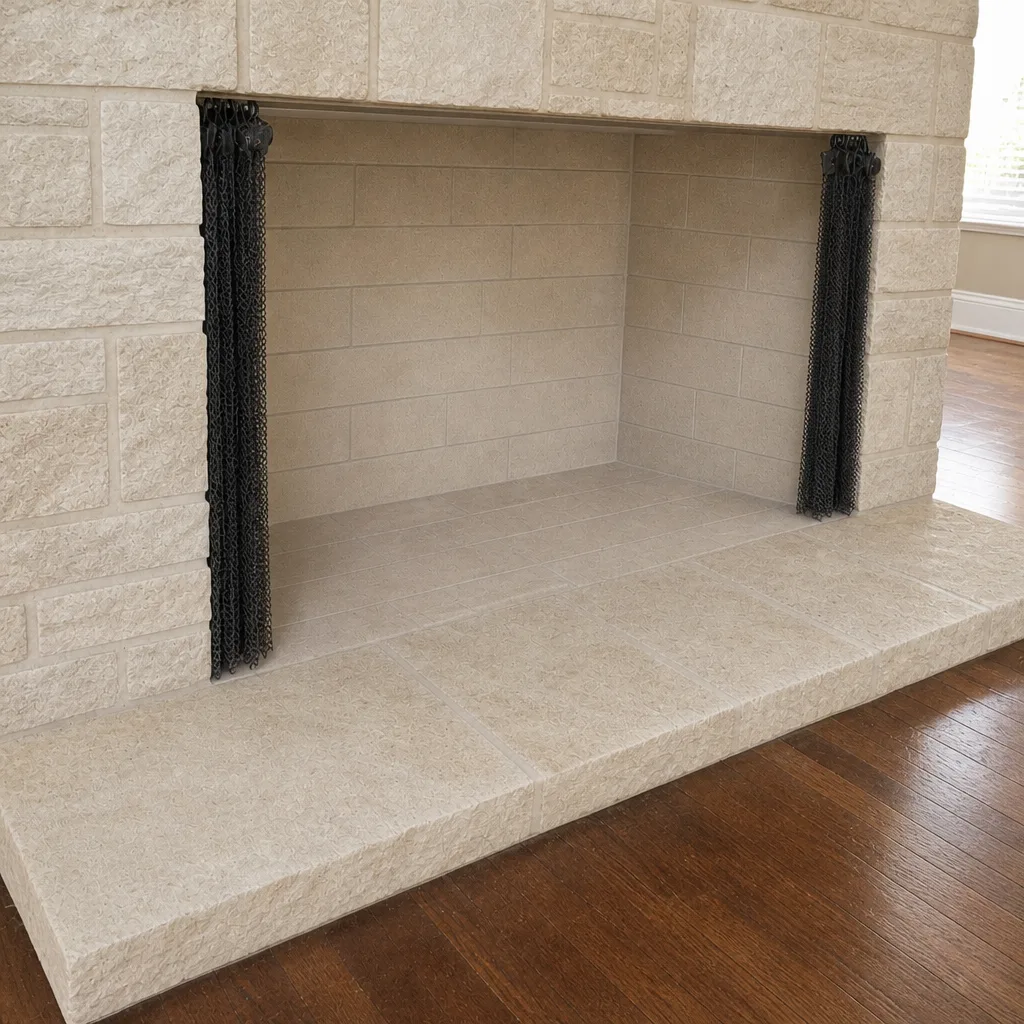
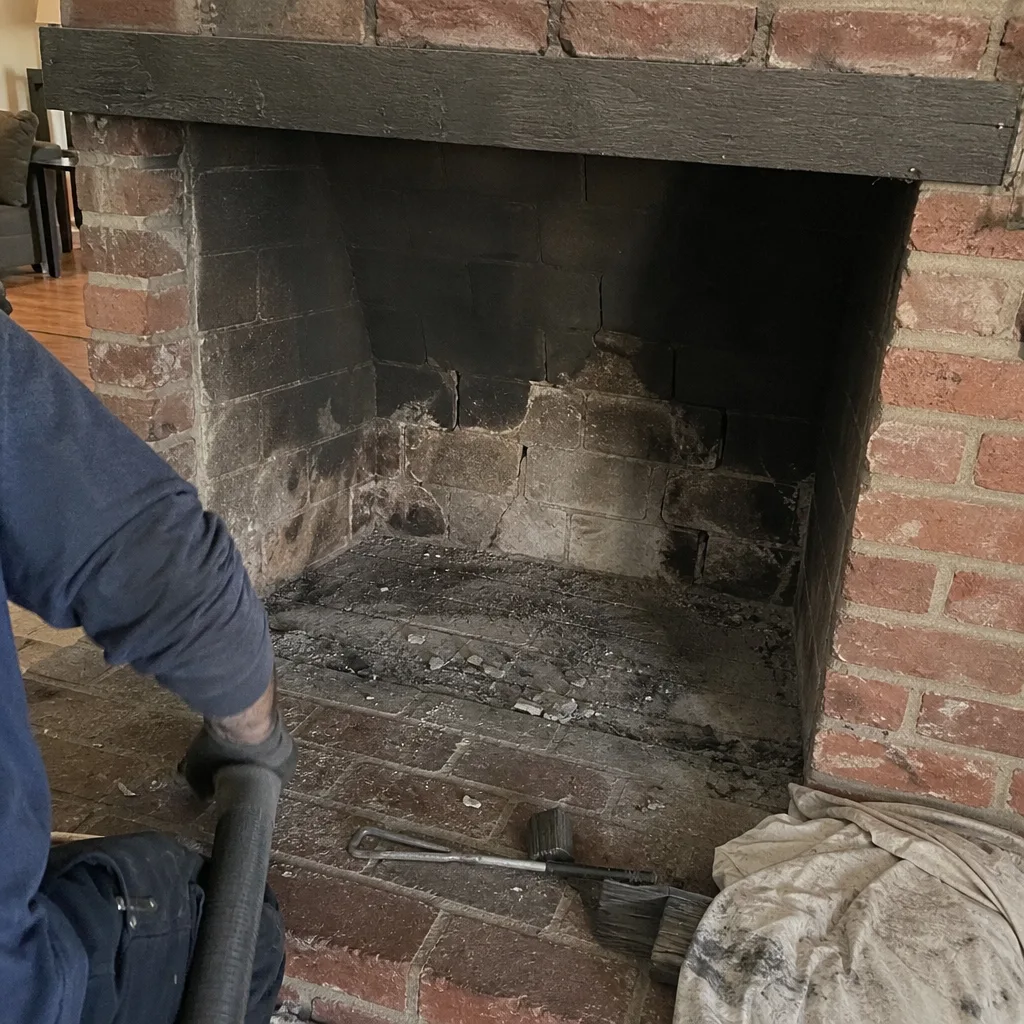
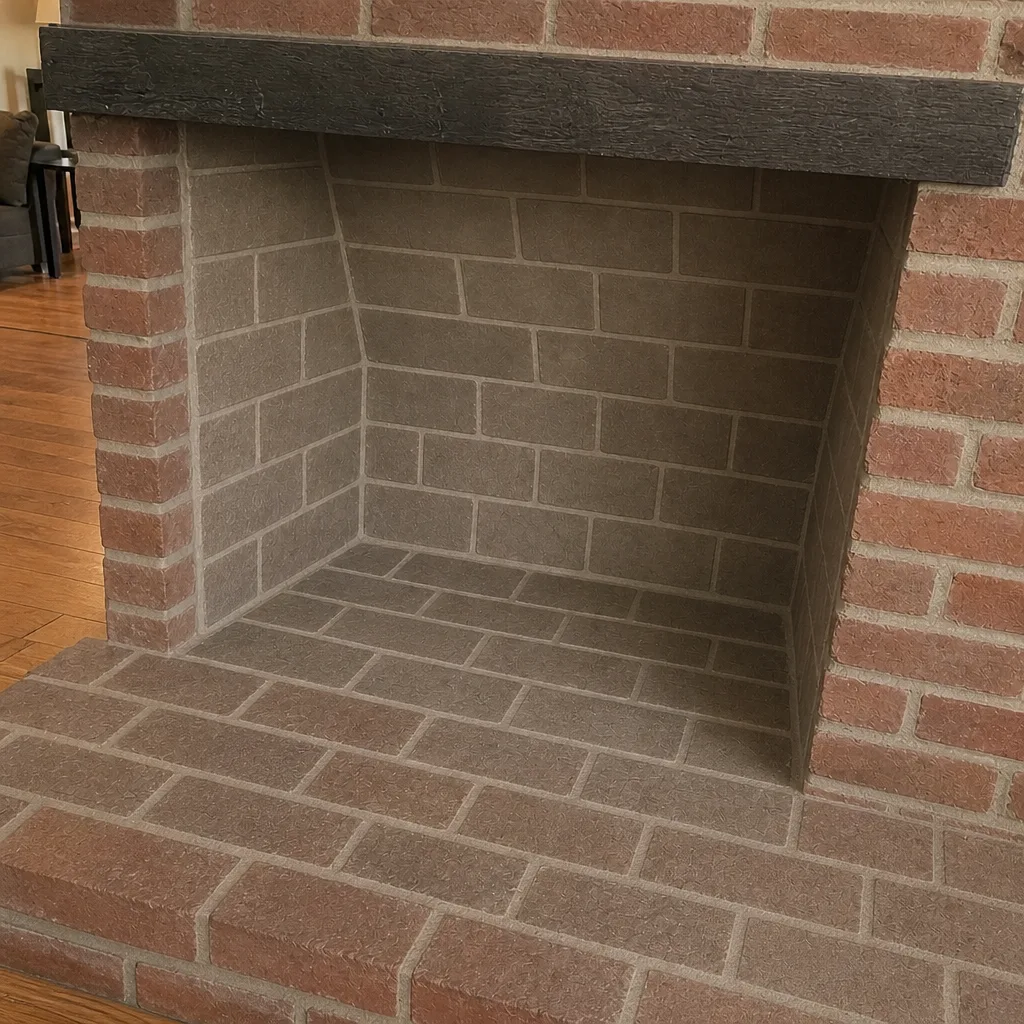
See the difference
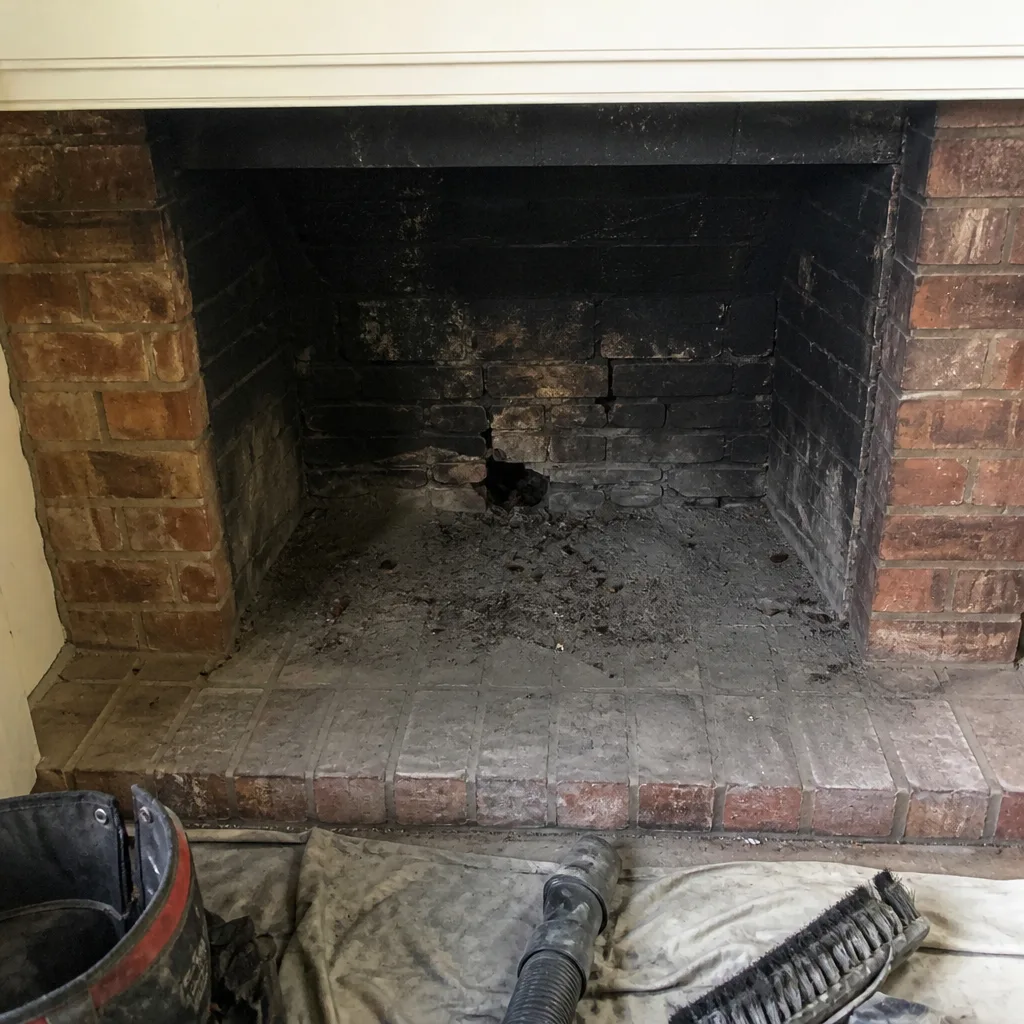 Before
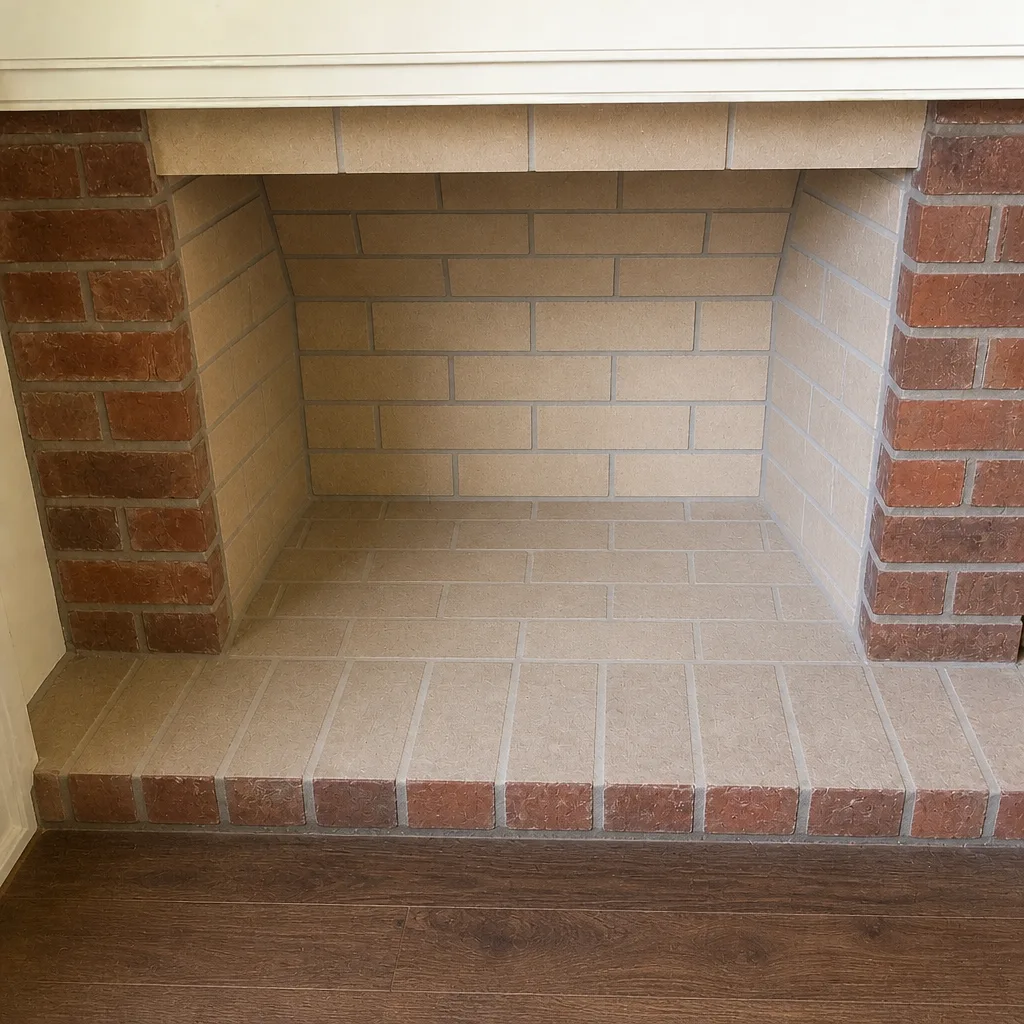 After
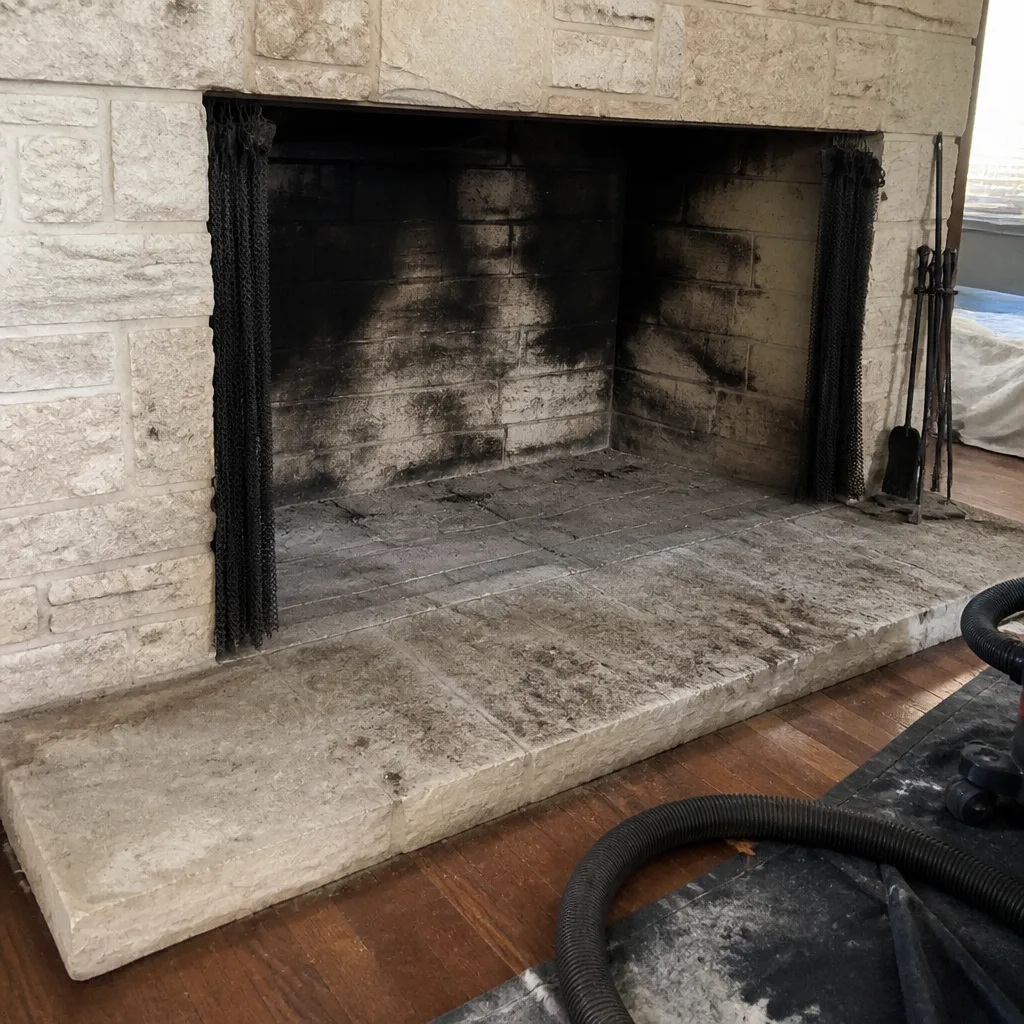 Before
 After
 Before
 After
When to Call a Professional
Call a professional for any job that involves getting on the roof, inspecting the flue interior, or working with a liner. A wood-burning chimney that hasn’t been swept in over a year, a chimney with no cap, a fireplace that smokes into the room, a chimney with a visible crack in the crown or loose bricks, or a chimney on a home you’ve just purchased, all of these are reasons to schedule a sweep and inspection.
Liner and flue work is where experience matters most. Installing a flexible liner on an older or non-standard flue, or resurfacing a masonry flue with HeatShield, is a job for a trained crew with the right materials and the right inspection first. Nothing gets recommended without camera evidence you can look at yourself, and we’ll tell you plainly when work can safely wait.
Buena Park Chimney Sweep Pros offers free estimates in Buena Park. Call (877) 792-7250. We answer 24/7. Fast dispatch from 7am to 7pm, Sunday through Friday.
Frequently Asked Questions
Pricing for a chimney cleaning in Buena Park depends on the flue configuration, the level of deposit, and whether a camera inspection is part of the visit. The written estimate sets the final price, and it’s free. Call (877) 792-7250 for an exact quote.
Yes. A lightly used chimney in Buena Park’s mild climate still accumulates creosote and collects palm debris and animal nesting material year-round. An annual sweep is the minimum schedule for any wood-burning chimney regardless of burn log. Call (877) 792-7250 to book a sweep and inspection.
Once a year for a wood-burning chimney, plus a visual inspection of the cap, crown, and accessible liner. Gas fireplaces need an annual inspection of venting and firebox. Call (877) 792-7250 for an exact quote on a sweep before your next burn season.
Deposits keep building. Creosote advances toward the glazed stage, palm fronds and nests accumulate in an uncapped flue, and a chimney fire or draft problem becomes more likely over time. Skipping a sweep doesn’t make the chimney safer; it just hides the buildup longer. Call (877) 792-7250 for a free estimate.
A sweep is a cleaning; a Level 2 inspection is a camera-based evaluation of the whole flue and accessible chimney components. You need a Level 2 when you’ve just bought the home, after a chimney fire or storm, when changing fuel types, or when you’re seeing signs of trouble. A routine annual visit usually needs a sweep and a basic inspection. Call (877) 792-7250 to book the right service.
Yes. Caps installed on Buena Park’s tile roofs need to account for the tile profile around the chimney so the cap sheds water away from the flashing rather than trapping it. We install caps and repair crowns as a standalone service, with photos of the problem and the finished work. Call (877) 792-7250 for a free estimate.
Yes. We install DuraFlex flexible liner systems for older or non-standard flues, and we use HeatShield ceramic resurfacing to restore qualifying masonry flues without a full reline. Every recommendation is backed by camera evidence you can review. Call (877) 792-7250 to schedule an inspection.
The Bottom Line
Chimney care in Buena Park isn’t a cold-climate problem. It’s a mild-climate, low-use, humidity-and-debris problem. Annual cleaning and inspection are the schedule. Caps and crowns are the preventive work most sweeps skip, and they’re the difference between a chimney that lasts and one that needs repair years sooner than it should. Everything starts with an inspection: nothing gets recommended without camera evidence you can look at yourself, and a sweep that finds no problem costs what it costs and nothing more.
We work with DuraFlex, HeatShield, Gelco, Olympia Chimney, Famco, and Copperfield because the right material for your specific flue matters more than a single-brand catalog. Our technicians have up to 14 years of experience, and the local pro we connect you with is licensed and insured as their state requires. Whether you need a routine sweep, a fireplace repair, or a full inspection, it’s one scope of work from start to finish. For more on the company and the full range of services, see Buena Park Chimney Sweep Pros.
Call (877) 792-7250. We answer 24/7. Fast dispatch from 7am to 7pm, Sunday through Friday. Estimates are free, and the written estimate sets the final price.
Written by the team at Buena Park Chimney Sweep Pros.