
Last updated November 25, 2026
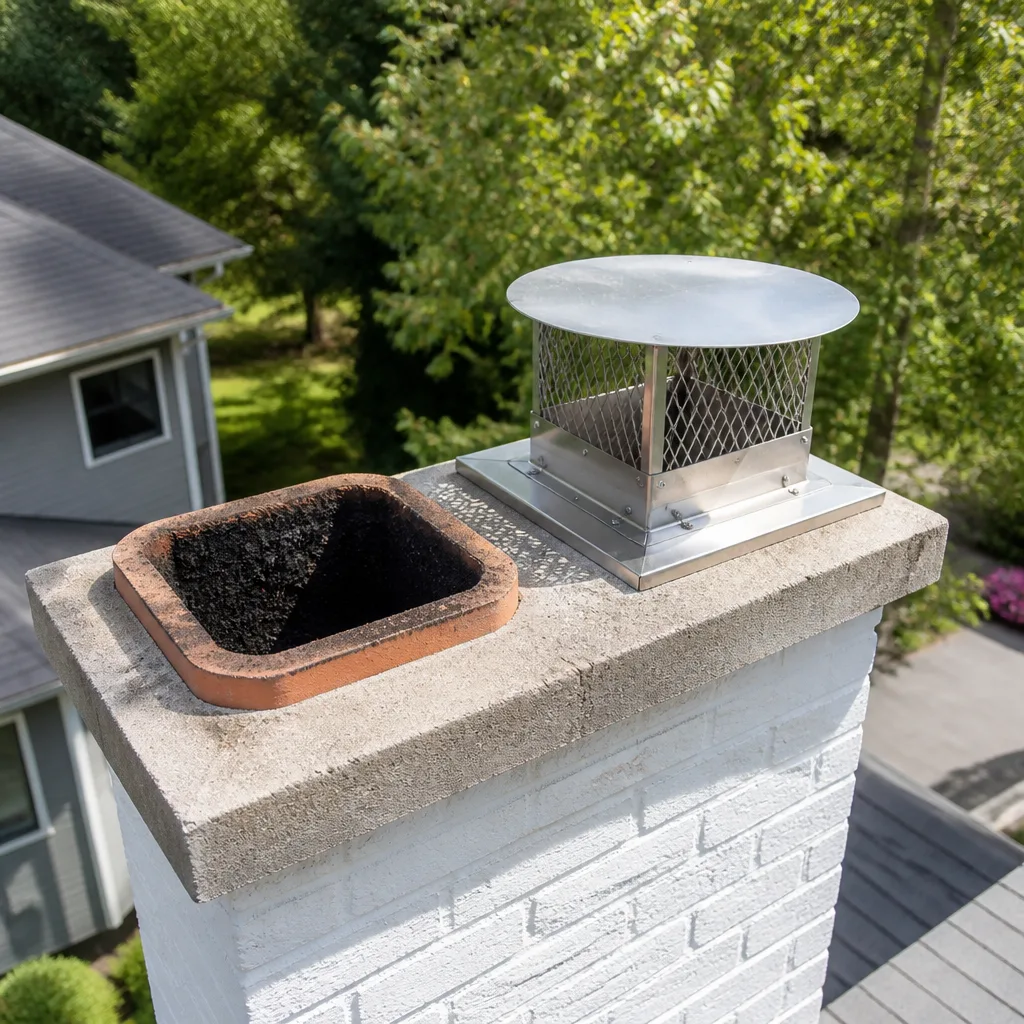 Sweep & inspection
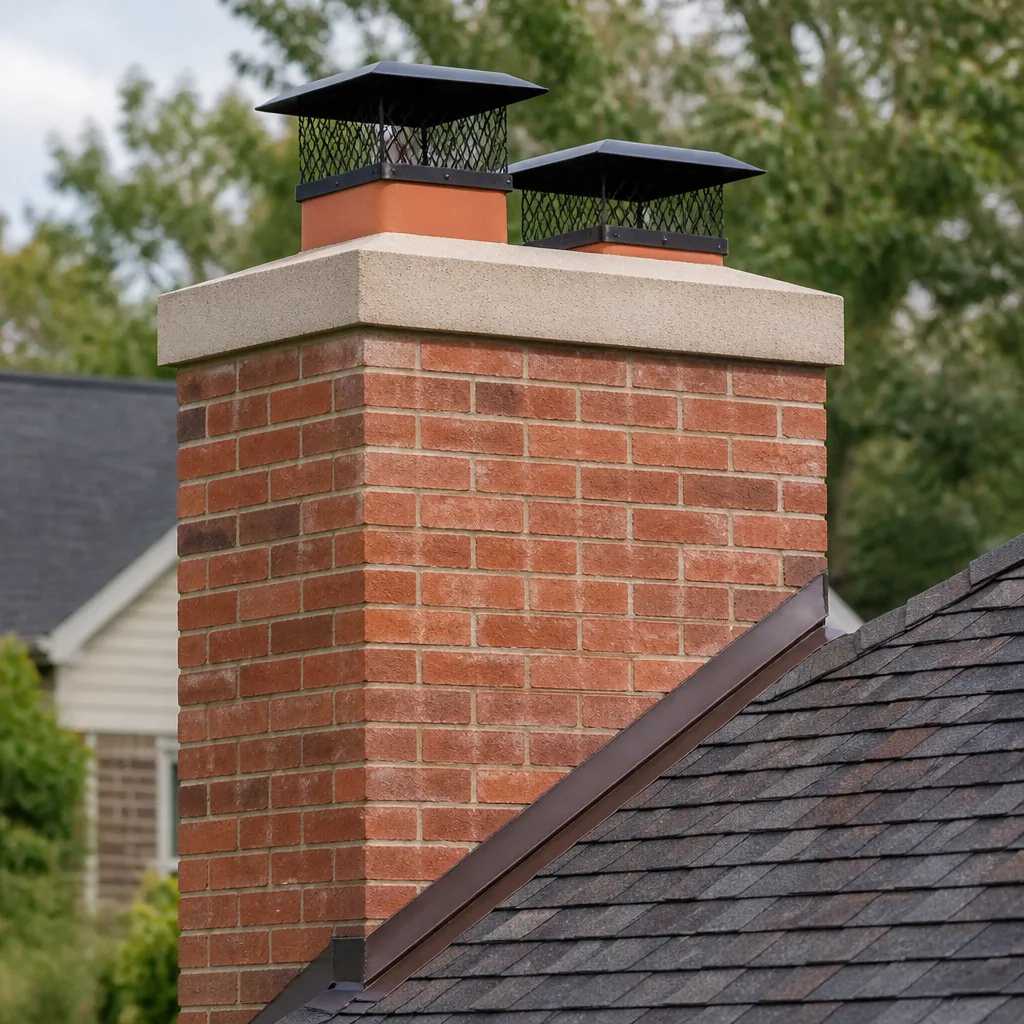 Caps & crowns
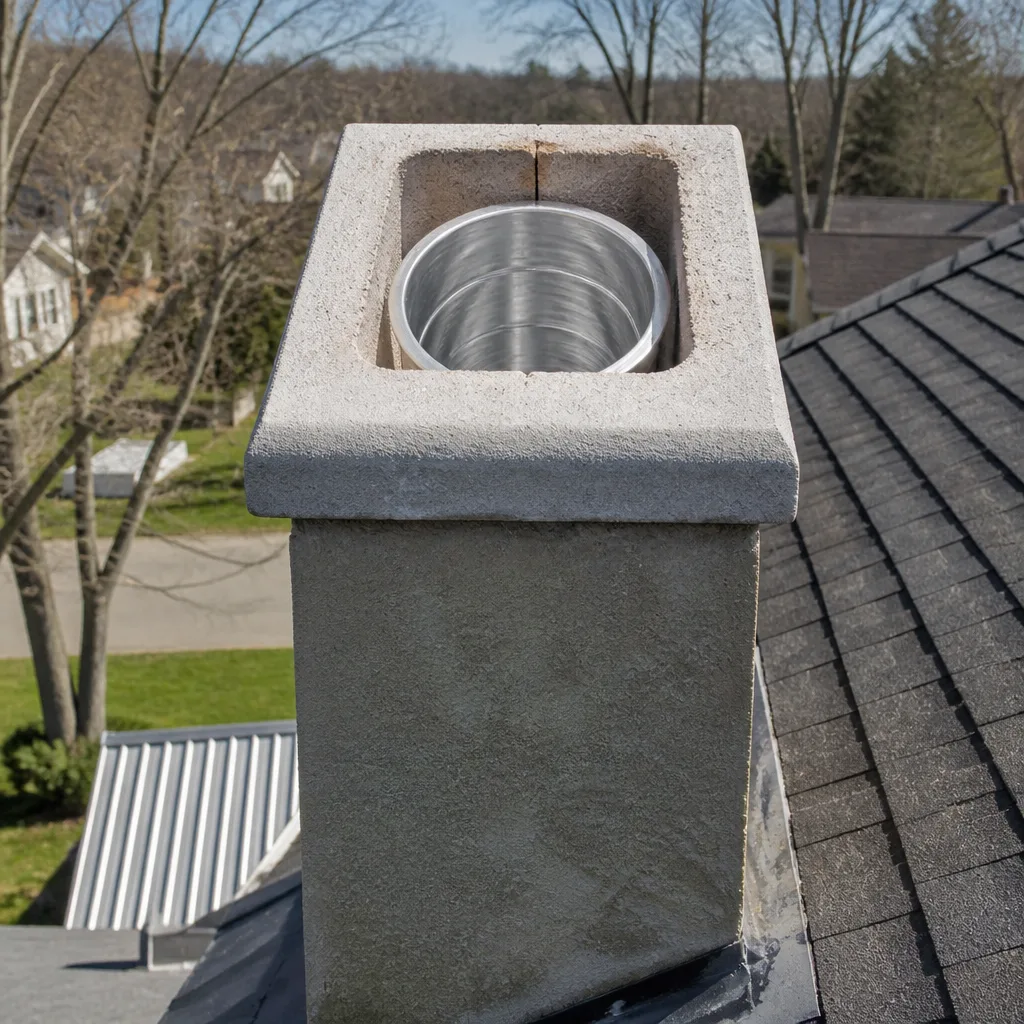 Flue relining
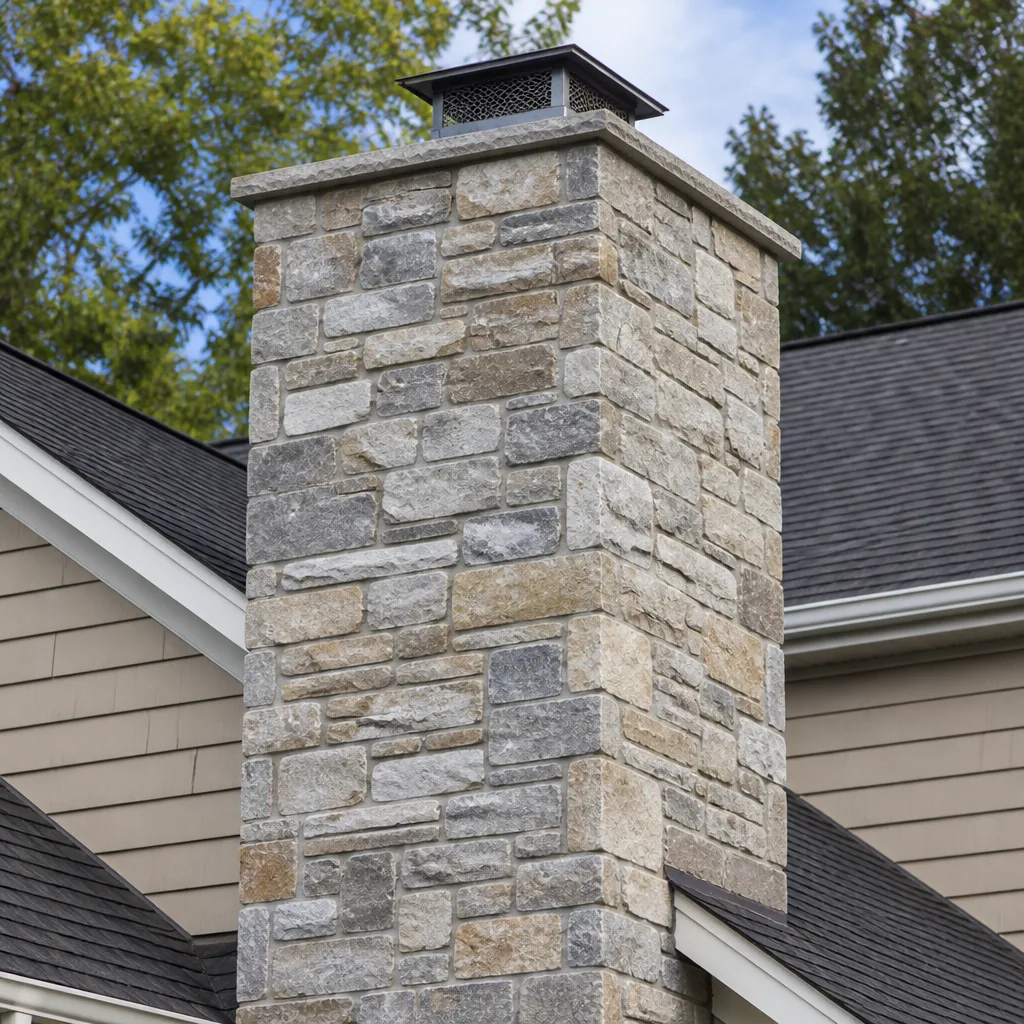 Masonry repair
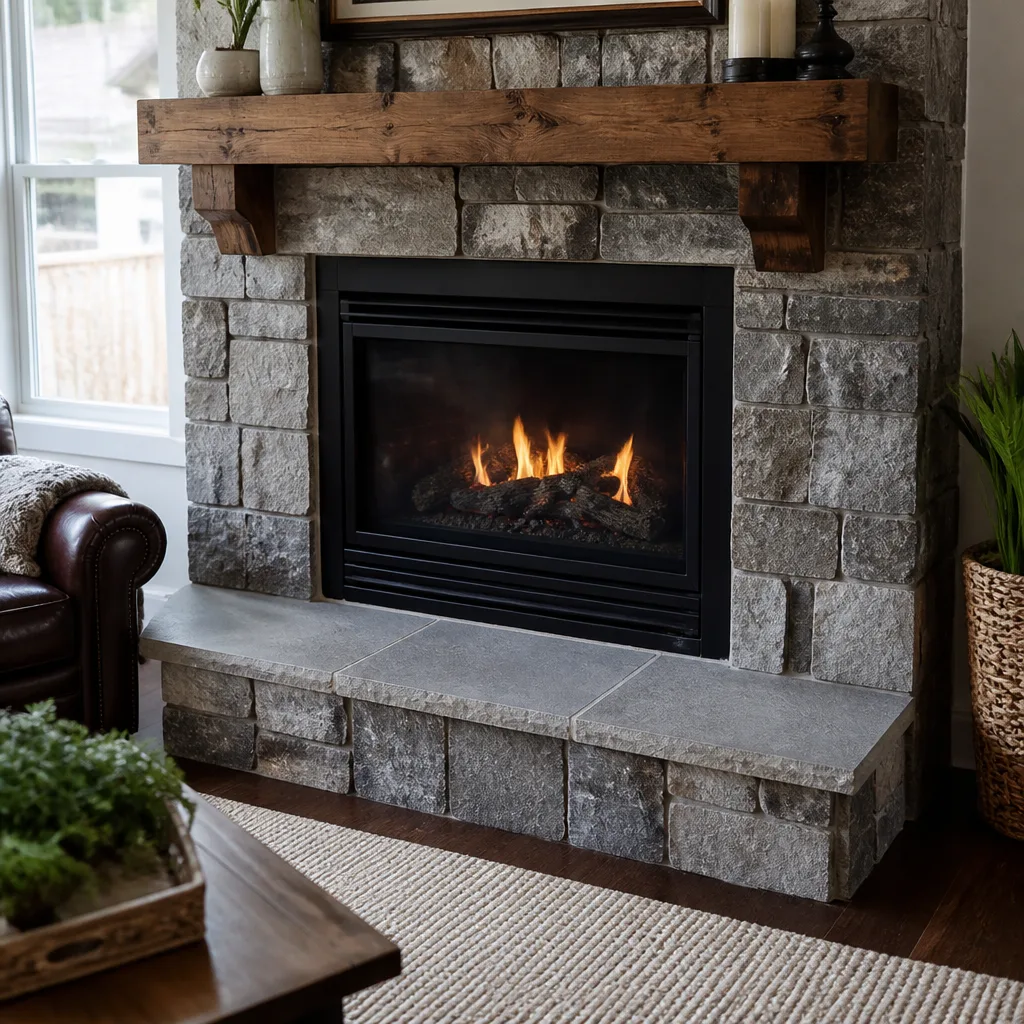 Gas fireplace service
Level 1 sweep and inspection to the NFPA 211 annual standard - flue, crown, cap, and flashing checked and photographed
Chimney sweep logs do not sweep chimneys. They loosen some creosote - which then falls where a brush and vacuum still have to collect it.
How to Hire a Chimney Cleaning Contractor in Buena Park: A Step-by-Step Guide
The most expensive chimney contractor is often the one with the lowest advertised price. That sounds backwards, so let us explain. In a market like Buena Park, where wood-burning fireplaces still anchor a lot of older homes and gas inserts are showing up in newer ones, chimney work attracts two very different kinds of operators: specialists who diagnose before they act, and sales-driven outfits who lead with a cheap inspection and follow with a liner quote you had no way to anticipate. The difference rarely shows up in a search ranking or a star rating. It shows up in the answers to five questions you ask before anyone steps into your living room. This guide walks you through CSIA certification checks, California licensing lookup, the phone interview, the written estimate, and how to read reviews without getting fooled. By the end you’ll have a framework that works in Buena Park and anywhere else in Orange County.
Quick Answer
To hire a chimney cleaning contractor in Buena Park, verify CSIA certification and a California contractor license number before you book, ask five specific screening questions on the phone, insist on a written estimate that itemizes sweep, inspection, and any recommended repair separately, and never accept a liner replacement recommendation you can’t watch on camera. A legitimate contractor welcomes this process; a high-pressure one talks around it. The checklist below takes about fifteen minutes of your time and saves you from the most common chimney-contractor mistake: paying for work you can’t verify was needed.
Styles & brands we work with
- Sweep & inspection
- Caps & crowns
- Flue relining
- Masonry repair
- Gas fireplace service
Table of Contents
- Why Hiring a Chimney Contractor in Buena Park Is Harder Than It Looks
- Step 1: Verify CSIA Certification Before You Call
- Step 2: Check the California Contractor License (CSLB)
- Step 3: The Five Phone Questions That Separate Pros From Posers
- Step 4: Why the Cheap “Inspection Special” Is Often a Loss-Leader
- Step 5: What a Legitimate Written Estimate Must Contain
- Step 6: How to Read Reviews for Chimney Contractors
- What Makes Chimney Work Different in Buena Park
Why Hiring a Chimney Contractor in Buena Park Is Harder Than It Looks
Buena Park sits in a part of Orange County where the housing stock spans several decades, and that matters more than most homeowners realize. A mid-century ranch home with an original masonry fireplace and a newer build with a factory-built metal flue need completely different levels of care, different tools, and different expertise. The contractor who is excellent on one may be outmatched on the other. And because the region doesn’t get the hard winters that force annual chimney maintenance in colder climates, plenty of Buena Park chimneys go years without a proper look inside. That backlog of deferred inspection is exactly the environment where an unqualified operator can do real damage: sweeping a flue without assessing its condition first, or worse, recommending a repair that isn’t needed.
The Buena Park market also mixes three contractor types that present identically online. A CSIA-certified chimney specialist is trained to inspect, diagnose, and repair. An unlicensed handyman may sweep a chimney but can’t legally take on structural work above a certain job value in California. A high-pressure sales operation may be a “licensed” company whose technicians are trained to sell liners, not assess chimneys. All three show up in a search result with polished websites. Only one has the training to tell you the truth about what’s inside your flue.
What separates them isn’t price, marketing, or even years in business. It’s verifiability. A CSIA-certified technician carries credentials you can confirm in minutes. A licensed contractor has a CSLB number you can look up. A specialist who works with a range of professional-grade materials – we use DuraFlex liners, HeatShield ceramic resurfacing, Gelco, Olympia Chimney products, and a few more – has accountability you can trace. The framework in this guide teaches you to check those things before you commit.
Step 1: Verify CSIA Certification Before You Call
The Chimney Safety Institute of America (CSIA) is the recognized certifying body for chimney sweeps in the United States. CSIA-certified sweeps pass a written exam, commit to a code of ethics, and renew their certification every three years with continuing education. When someone says they’re “certified,” they may mean certified by CSIA, or they may mean certified by a training program that isn’t the same thing. Ask the specific question: “Are you CSIA-certified, and can I verify that through the CSIA website?”
Here’s how to check, in order:
- Go to the CSIA website and use its “Find a Certified Professional” search.
- Enter Buena Park or the contractor’s ZIP code, and the company or technician name.
- Confirm the name matches exactly, and check whether the certification is currently active.
- Ask, during the phone call, which certified technicians will actually be sent to your home.
- If the answer is vague (“everyone on our team is certified”), ask for the specific certified technician’s name before booking.
In our experience, a certified chimney sweep will volunteer their CSIA status in the first minute of the call. A contractor who hesitates, deflects, or says “we don’t need that” has told you what you need to know. Certification is not a guarantee of good work – plenty of unlicensed operators sketch out a certificate on their website – but the CSIA verification step itself is a labor the honest contractor welcomes and the dishonest one avoids.
Step 2: Check the California Contractor License (CSLB)
CSIA certification covers chimney-specific competence; the California Contractor State License Board (CSLB) covers legal authority to contract for construction work. Both matter. A chimney sweep who sweeps and inspects is doing cleaning and diagnostic work, which doesn’t always require a contractor’s license. But the moment they recommend structural chimney repair, crown replacement, or liner installation, they’re doing or arranging construction work – and that work needs a licensed contractor behind it. The good news is that verifying the license takes about ninety seconds.
Here’s how to run the CSLB lookup:
- Go to the CSLB website and open the license search.
- Enter the license number the contractor gave you, or search by the company’s business name.
- Confirm the license is “Active” and that the name on the license matches the company you’re calling.
- Check the license classification – a C-61/D-31 license covers limited chimney work, while a B-General Building license covers broader construction – and confirm the classification matches the work you’re being quoted.
- If the contractor says the license “belongs to a partner” or “is under a different name,” ask for written clarification before booking.
A subtle point: a licensed contractor doesn’t always perform the sweep themselves. Many legitimate chimney companies hold a B-General license and send CSIA-certified technicians to do the sweep and inspection, then bring the licensed contractor in for structural repair. That arrangement is fine – common, in fact – as long as both the CSIA technician and the licensed contractor are verifiable. What you should not accept is a “licensed” claim that turns out to mean the person answering the phone has a cousin who is licensed, or that the license number is for a different company entirely. Verify the number matches the company that will be sending someone to your home.
Step 3: The Five Phone Questions That Separate Pros From Posers
Before anyone schedules a visit to your home, use the phone to screen. The five questions below are designed to expose the difference quickly. The first answer a real specialist gives you should be specific. The answer a sales-driven operator gives you should be smooth.
Question 1: “Are you CSIA-certified, and what’s the certification number I can verify?”
A real answer names a certification and gives you a way to verify it. A bad answer: “We don’t need certification, we’re licensed.” Or: “Certification isn’t required in California.” The second is technically true, and also a sign the technician isn’t trained in chimney diagnostics.
Question 2: “What’s your CSLB license number, and does it cover liner installation?”
A real answer names the license number and the classification, and tells you upfront if the sweep is done under one license while structural repair goes under another. A bad answer: “We’re fully licensed and insured” without a number, or “you don’t need a license to sweep a chimney” (true, but not the answer to the question you asked).
Question 3: “What will the inspection include, and will I get a camera inspection with photos?”
A real answer specifies a Level 1, 2, or 3 inspection (the industry’s standardized tiers), describes whether the flue will be scoped with a camera, and confirms you’ll receive a photo report. A bad answer: “We’ll take a look” or “the technician will tell you what you need.”
Question 4: “What’s a typical price for a sweep and inspection in Buena Park, and is it one price regardless of what you find?”
A real answer gives you a range, explains what’s included, and confirms the sweep price is set before the technician arrives. A bad answer: “It depends” with no range, or “$49” with no context (see the next section on loss-leader promotions).
Question 5: “If you recommend a repair, will you show me the evidence on camera before I agree?”
A real answer: yes, with a camera inspection and a photo report you receive by email. A bad answer: “We’ll let you know what we find” or “we don’t need to show you, we’re the professionals.”
Any one weak answer is a soft warning; two is a hard no. A contractor who can’t answer these questions on the phone typically can’t answer them in your living room either.
Step 4: Why the Cheap “Inspection Special” Is Often a Loss-Leader
A $49 or $79 “inspection special” isn’t inherently dishonest. Some contractors genuinely run seasonal promotions to keep their schedules full. But the model is worth understanding, because it shapes the incentives in a way that can work against you.
The math is simple. A two-person crew takes an hour to sweep and inspect a typical chimney. That hour has a real cost: labor, vehicle, insurance, tools, and travel time. When the advertised price for that hour is $49, the crew has to make up the difference somewhere. The margin usually comes from either a very high call volume (which means less time per chimney) or from the upsell – liner replacement, crown replacement, cap installation, repointing, and similar work recommended at the visit.
That doesn’t mean the recommendations are always wrong. Some Buena Park chimneys genuinely need a new liner, and a good contractor will find those. But you should apply extra scrutiny to any recommendation made during a low-cost visit. The signals of a legitimate inspection vs. a sales pitch are:
- Evidence is shown. The technician puts a camera into the flue and shows you the condition on screen or in a photo report. You see the cracks, gaps, or creosote buildup yourself.
- Recommendations are separated in time. A good contractor will recommend the sweep now and the repair as a separate decision, with time to consider. A high-pressure one wants the authorization signed before the crew leaves.
- Not every chimney “needs a liner.” A technician who recommends liner replacement on every call is selling, not diagnosing. Ask directly how often they recommend a liner vs. a HeatShield resurfacing vs. nothing at all – and expect variation.
- You’re offered restoration options, not just replacement. A contractor who only offers a new liner isn’t giving you the full menu. HeatShield ceramic resurfacing, for example, can extend the life of a qualifying flue without full relining costs. If that option is never mentioned, ask why.
- You’re told what can wait. A real specialist will tell you when a minor crack is monitor-worthy and when it needs immediate attention. A sales-driven one treats every imperfection as urgent.
The deeper point: a $49 inspection isn’t a scam. A $49 inspection that comes with a $4,000 liner quote you didn’t anticipate is a business model you should recognize before you consent to it.
Step 5: What a Legitimate Written Estimate Must Contain
The estimate is where a lot of homeowner trouble begins, because a vague quote leaves you no recourse when the price changes or the scope of work grows. The written estimate from a legitimate chimney contractor in Buena Park should give you enough to compare apples to apples with another quote, and enough to hold the contractor to the scope. Here’s what to look for.
A proper written estimate should include:
- Scope by line item. The sweep, the inspection level, and each recommended repair as a separate line. A single lumped price that says “full chimney service” tells you nothing.
- What’s excluded. If the liner replacement quote doesn’t include the cap, crown repair, or masonry work the new liner will require, that omission becomes a change order later. Ask explicitly what’s outside the price.
- Materials named. A real chimney estimate names the liner system (DuraFlex, HeatShield, Gelco, Olympia Chimney systems, for example). A vague estimate that says “install new liner” doesn’t tell you what you’re getting.
- Price fixed at the estimate. The written estimate should set the final price. If it says “starting at” or “subject to change upon inspection,” you don’t have a price yet.
- A camera-inspection report attached. The photo evidence should be part of the estimate package, not something you have to ask for separately.
- The date, name of the company, address, and CSLB license number. A chimney estimate without a license number on it is a red flag.
Some contractors quote “from” prices to protect against surprises once they open the flue. That’s understandable, but a real estimate follows an inspection. The right sequence is: sweep and inspect, get the photo report, then get a written estimate for any recommended repair. Anything that reverses the order – estimate first, inspection later – is doing it backwards.
Step 6: How to Read Reviews for Chimney Contractors
Online reviews for chimney contractors have a specific shape, and it’s worth knowing what to look for. The signal isn’t the star rating. It’s the content pattern inside the reviews.
Signals that matter:
- Reviews that mention a specific CSIA-certified technician, by name or by certification, without prompting. People don’t usually make that up.
- Reviews that describe the photo report or camera inspection in detail. “They showed me the inside of the flue on a screen” is a strong positive signal.
- Reviews that describe being told something didn’t need repair. A pattern of “they told me my chimney was fine” is one of the best indications of an honest contractor.
- Reviews that mention a specific repair that went well, months or a year later. Follow-through matters more than arrival time.
- Reviews with variation in length and detail. Two hundred one-line five-star reviews in a month is a different signal than forty reviews across two years.
Signals that are noise:
- “Friendly and fast” is a logistics compliment, not a technical one. It tells you the crew was polite and showed up – useful, but not differentiating.
- Generic praises that mention no specifics (“Great service!”) in volume. They could be real, or they could be solicited at the door before the technician leaves.
- Star ratings without content. A 5.0 average on 6 reviews tells you almost nothing. A 4.4 average on 80 reviews with specific content tells you a lot.
- Reviews that mention the same technician name across dozens of entries in a short span. Legitimate high-volume shops exist, but a suspiciously uniform pattern is worth noting.
Read the one-star and two-star reviews first, then read a dozen of the five-star reviews. In the complaints, look for pattern: “told me I needed a new liner” appearing multiple times is a signal. In the five-star reviews, look for substance: specific repairs, specific technicians, specific follow-ups. A Buena Park contractor with strong local reviews will show evidence in both directions.
What Makes Chimney Work Different in Buena Park
Buena Park’s climate shapes chimney wear in ways that don’t apply in colder parts of California. Winters are mild, which means chimneys are less likely to see the freeze and thaw cycling that cracks masonry in mountain towns. But mild winters also mean fireplaces get used in shorter, less consistent stretches – a few fires in December, a few in January, then nothing until the next season. That inconsistency creates its own pattern of creosote buildup: a chimney that runs hot and cold builds glazed, hard creosote that’s harder to sweep than the softer, more regular deposits a colder climate produces.
Fireplace use here also skews heavily toward evenings, when the marine layer rolls in and the temperature drops even in summer. Those evening fires burn at lower temperatures, which is exactly the condition that produces creosote. By the time a Buena Park chimney has been in service for a decade or more without a proper inspection, the creosote deposits can be substantial – and that’s before you factor in the older masonry fireplaces that came with the mid-century housing stock.
One more local factor: gas inserts. A growing number of Buena Park homes have had wood-burning fireplaces converted to gas. Gas inserts need annual inspection too – but for different reasons than wood. The venting, the connections, and the carbon monoxide risk are all part of what a gas fireplace inspection covers, and a contractor who only understands wood-burning chimneys isn’t the right hire for a home with a gas insert. Ask upfront whether the contractor services both. We do, and we work with the full range of materials a Buena Park chimney is likely to need – DuraFlex flexible liner systems for older, non-standard flues, HeatShield ceramic resurfacing for qualifying flues, and Olympia Chimney products where the fit is right.
If you’re ready to talk specifics about your chimney, our Buena Park Chimney Sweep Pros team can help, and a standard chimney sweep is the right starting point. If the inspection turns up repair work, we handle that end-to-end too – our chimney repair and fireplace repair services are part of the same scope, so you’re not coordinating between contractors.
Common Mistakes to Avoid
- Booking without verifying CSIA certification. The single most common Buena Park homeowner mistake is trusting a website badge without checking the CSIA directory. A verification takes two minutes and eliminates most of the risk in this guide.
- Accepting a lumped-price quote. “Full chimney service, $X” tells you nothing about scope. Ask for the estimate broken into sweep, inspection, and each repair as separate lines before you sign anything.
- Letting a technician recommend a liner without showing you the evidence. A liner is one of the larger repairs a chimney needs, and you have every right to see the flue’s condition on camera before agreeing. A contractor who resists this is telling you something about how they sell.
- Skipping the CSLB lookup. A licensed sweep is one thing; a licensed contractor behind the repair work is another. Verify both, and confirm the license number on the estimate matches the company on the truck.
- Assuming a “gas fireplace doesn’t need service.” Gas inserts still need annual inspection for venting, connections, and carbon monoxide risk. Skipping service because there’s no wood fire is a common Buena Park oversight.
- Trusting an online star rating without reading the review content. A 5.0 average on six reviews is noise. Read one-star complaints first for pattern, then read a dozen positive reviews for specificity.
- Waiting until the burning season to book. Fall is the busiest stretch for chimney work in this region. Spring and summer are quieter, and a spring inspection leaves time to make repairs before you need the fireplace again.
See the difference
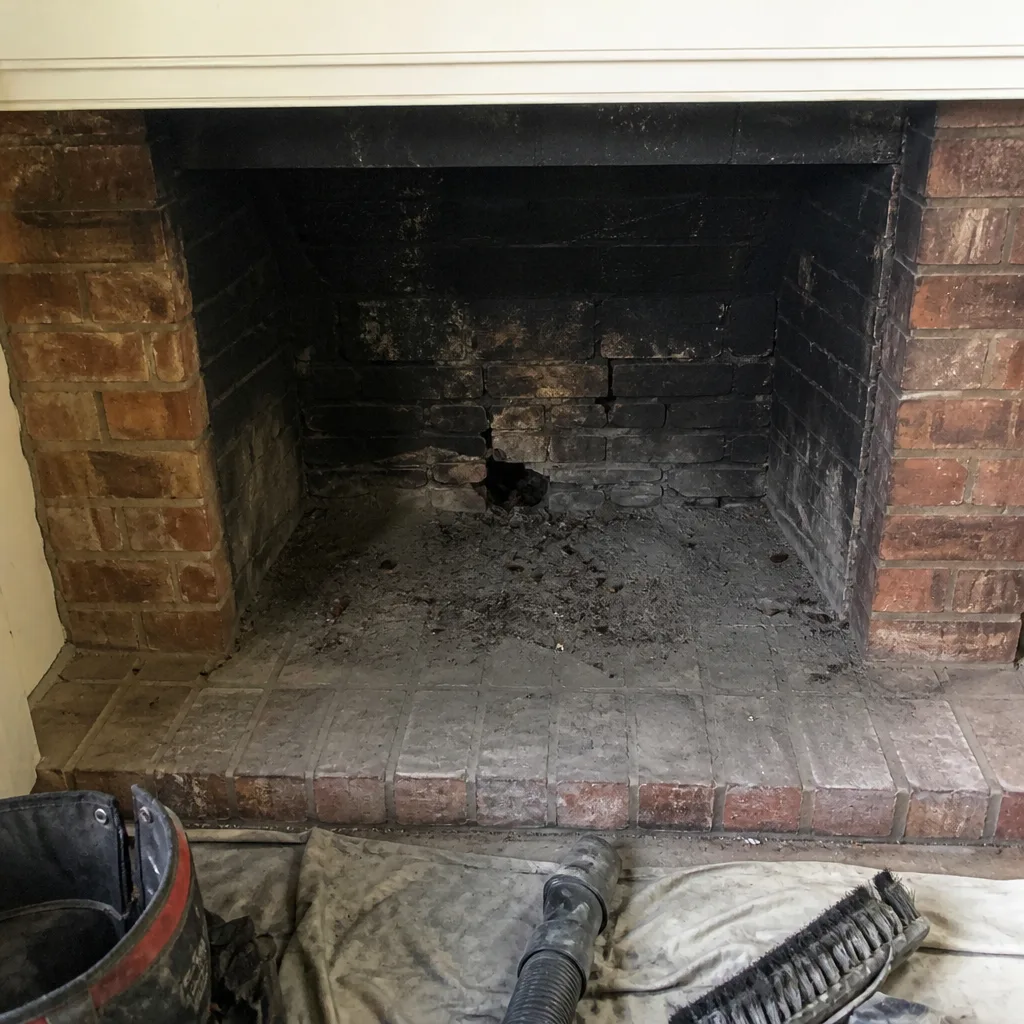 Before
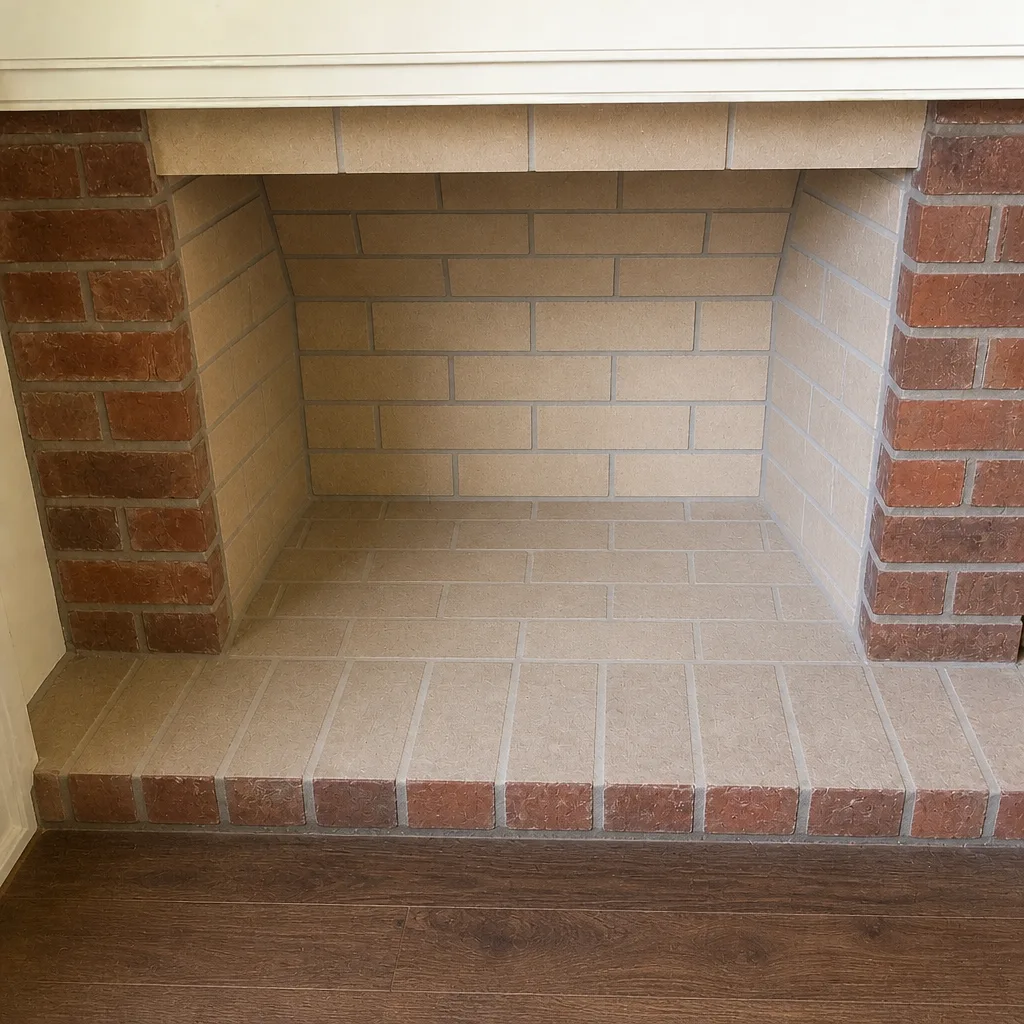 After
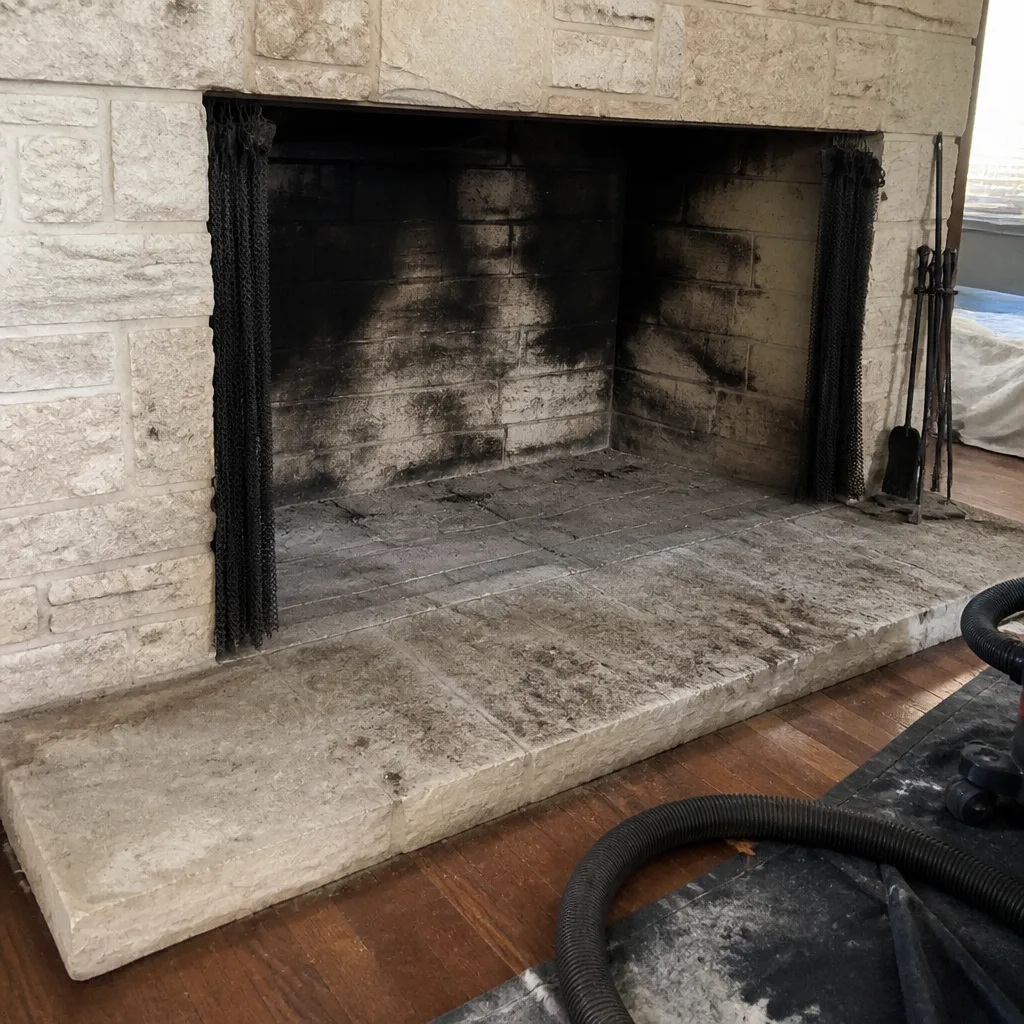 Before
 After
 Before
 After
When to Call a Professional
Some chimney issues are cosmetic; others need a trained eye quickly. Call a professional if you notice any of the following: a strong smoky odor when you light a fire, visible creosote buildup on the firebox walls or damper, cracks in the crown or visible masonry damage, a chimney cap that’s loose, missing, or bent, water staining on the ceiling near the chimney, or a carbon monoxide detector going off in a home with a gas insert or fireplace. Any of these is worth a professional inspection rather than a wait-and-see. Buena Park Chimney Sweep Pros offers free estimates in Buena Park – call (877) 792-7250. We answer 24/7. Fast dispatch from 7am to 7pm, Sunday through Friday. The written estimate sets the final price.
Frequently Asked Questions
A standard sweep and Level 1 or Level 2 inspection in Buena Park typically falls in a moderate range depending on the chimney’s size, accessibility, and whether the fireplace is wood-burning or gas. The sweep price should be set before the technician arrives, and the estimate is free. Call (877) 792-7250 for an exact quote – estimates are free.
Go to the CSIA website, use the “Find a Certified Professional” search, and enter Buena Park or the contractor’s name. The certification should be current and the name should match exactly. Ask the contractor for the specific certified technician’s name before booking, and confirm that person is being sent. If the company can’t identify who on their team is CSIA-certified, treat that as a warning sign.
Not always. A cracked clay-tile flue or one with gaps does need attention, but the two viable repair paths – HeatShield ceramic resurfacing and full liner replacement – serve different situations, and the choice depends on the flue’s condition, not just its age. A legitimately diagnosed chimney can often be restored with HeatShield; a flue with structural damage or non-standard configuration may need a DuraFlex flexible liner. The right answer follows the inspection, not the sales pitch. Call (877) 792-7250 – a photo report and free estimate come with it.
A Level 1 inspection covers the readily accessible portions of the chimney and firebox; a Level 2 adds a camera scope of the flue and is the standard for most routine inspections; a Level 3 covers concealed areas and is usually triggered by a problem found during Level 1 or 2. You don’t have to be home for the inspection, but we recommend being present with a Level 2 so you can see the camera evidence firsthand. Call (877) 792-7250 to book.
Creosote builds up on the flue walls regardless of how careful you are with your fires, and in this region the cool, short-burning-fire pattern produces a harder glazed creosote that’s more difficult to remove. That buildup is combustible, and a chimney fire is a genuine risk when it ignites. Even without a fire, a blocked or partially restricted flue can push carbon monoxide back into the living space. Skipping a sweep isn’t a maintenance deferral – it’s an accumulated risk. Call (877) 792-7250 if it’s been more than a year.
Both. Gas fireplaces and inserts need annual inspection for the same reason wood-burning chimneys do, just with different focus: venting, connections, and carbon monoxide risk. We handle wood-burning chimneys, gas inserts, and the fireplace repair work either may need. Call (877) 792-7250 for an estimate – estimates are free.
The Bottom Line
Hiring a chimney contractor in Buena Park comes down to verification. CSIA certification and CSLB licensing are both checkable in minutes, and a contractor who welcomes the check is almost always the right hire. Ask the five phone questions, insist on a written estimate that itemizes scope and names the materials used, and never accept a liner recommendation you can’t see on camera. The loss-leader inspection is worth using when you apply the same scrutiny to the visit that you applied to the phone call. And the reason to act isn’t urgency – it’s that creosote and crown damage don’t announce themselves. Spring is a good time in Buena Park to get ahead of both.
If you’d like to talk through your specific chimney, call Buena Park Chimney Sweep Pros at (877) 792-7250 for a free estimate. We answer 24/7. Fast dispatch from 7am to 7pm, Sunday through Friday. Every estimate starts with an inspection and a photo report, and the written estimate sets the final price. Our technicians have up to 14 years of experience, and the team works with DuraFlex, HeatShield, Gelco, Olympia Chimney, Famco, and Copperfield systems to match the right material to your flue.
Written by the team at Buena Park Chimney Sweep Pros.