
Last updated November 25, 2026
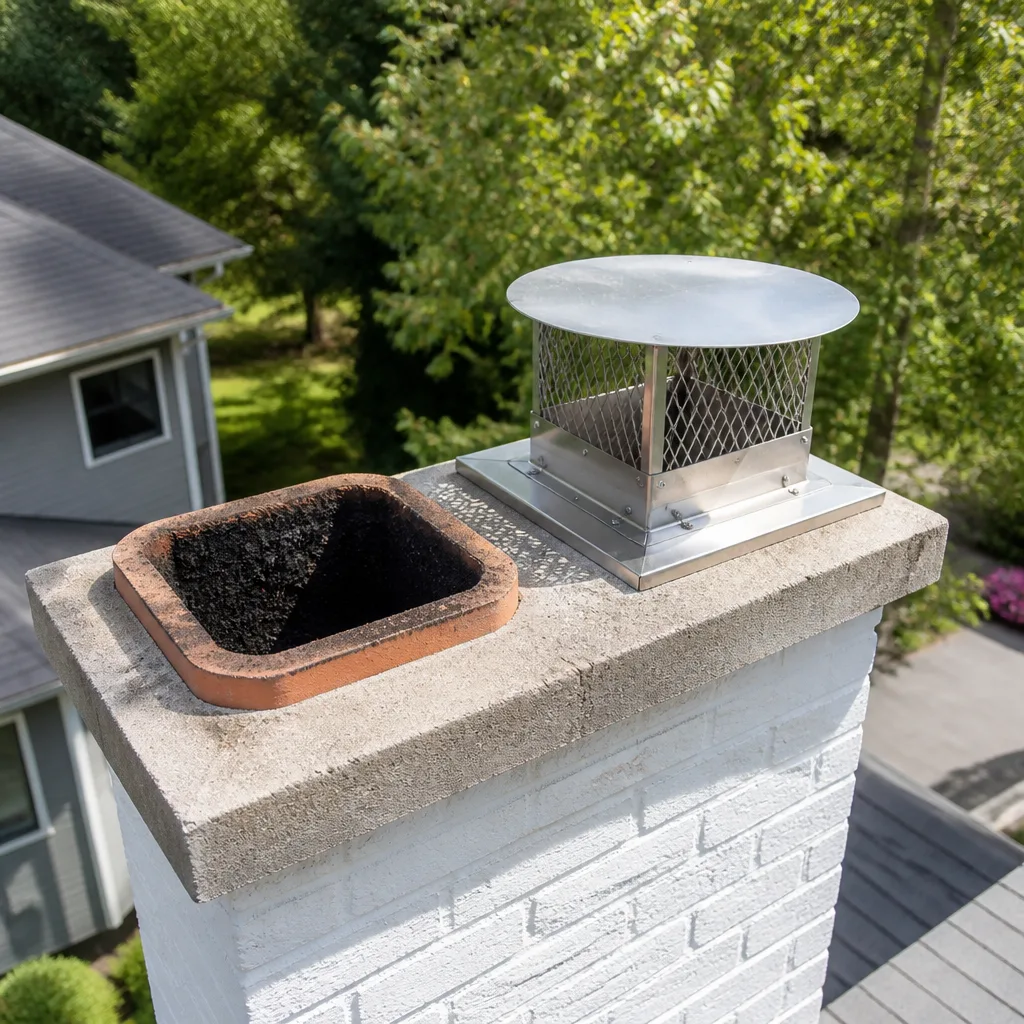 Sweep & inspection
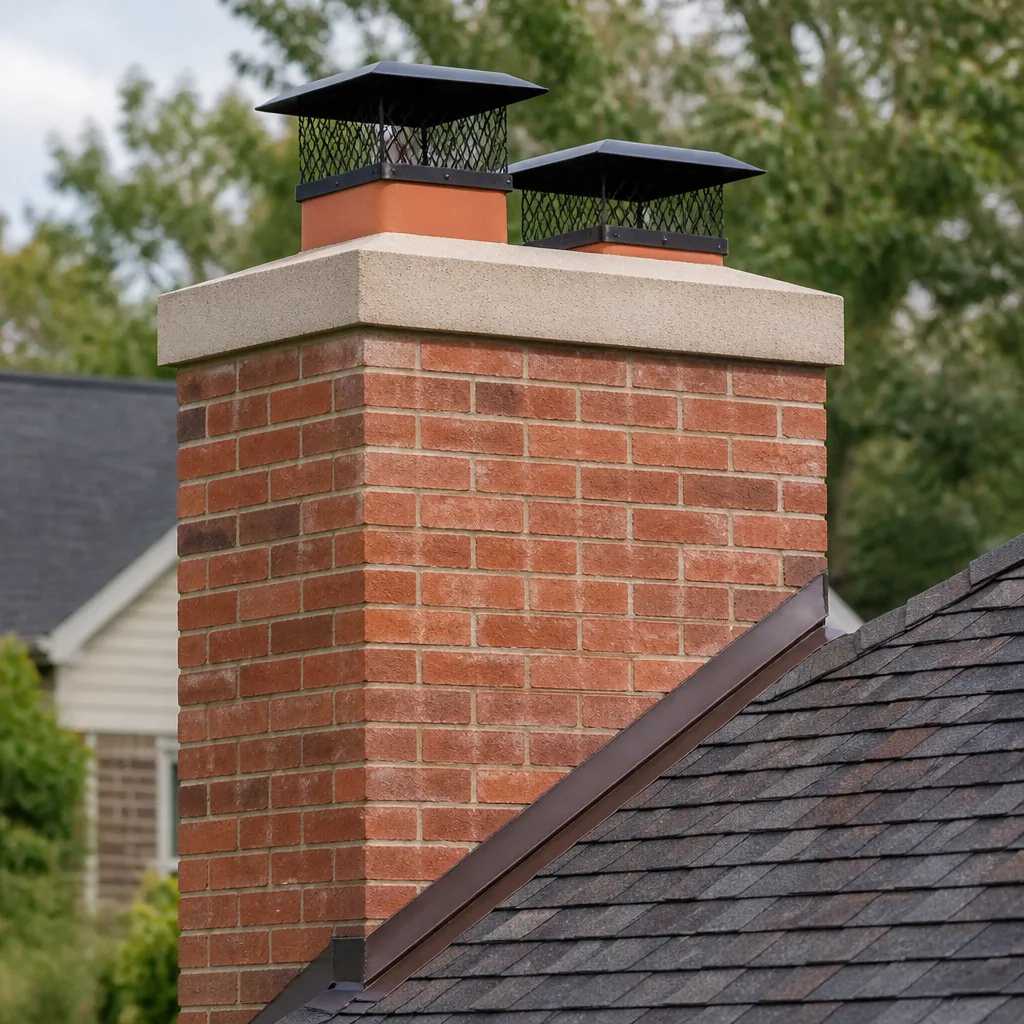 Caps & crowns
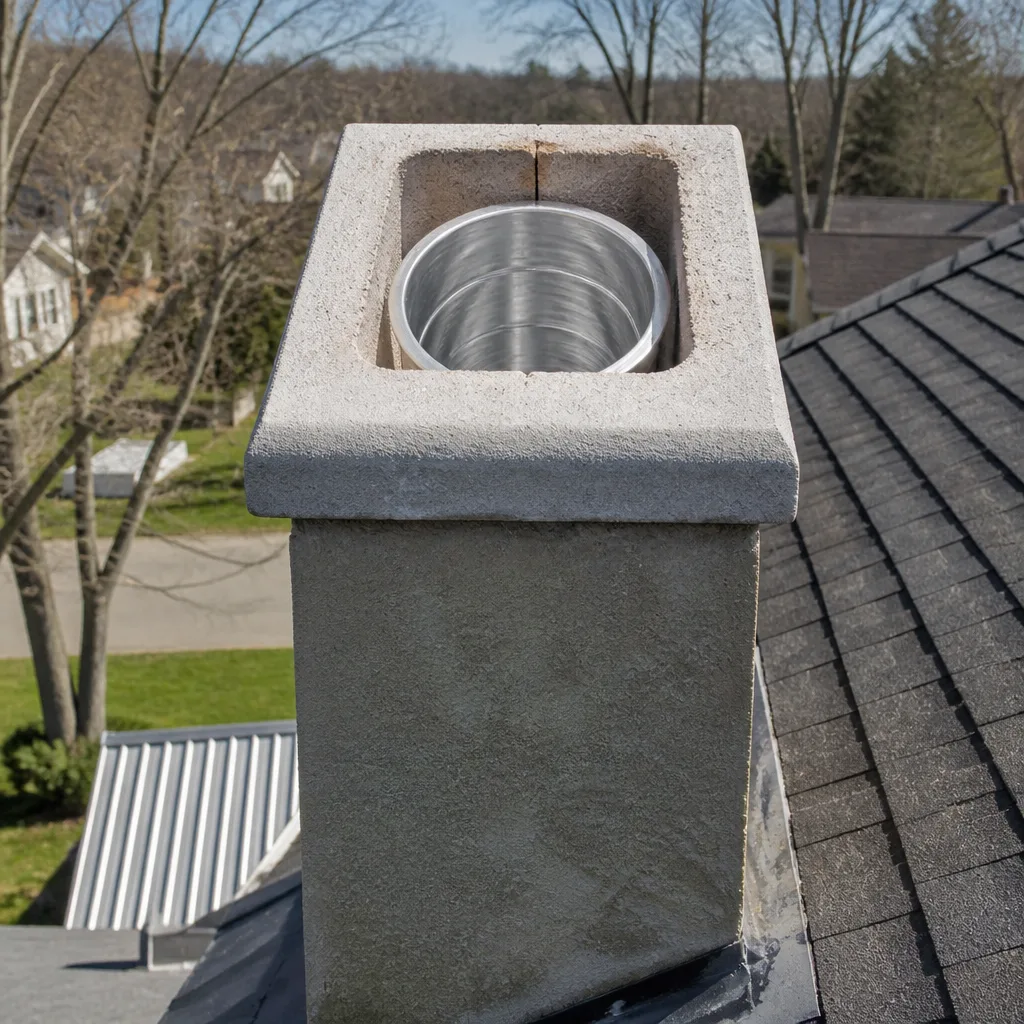 Flue relining
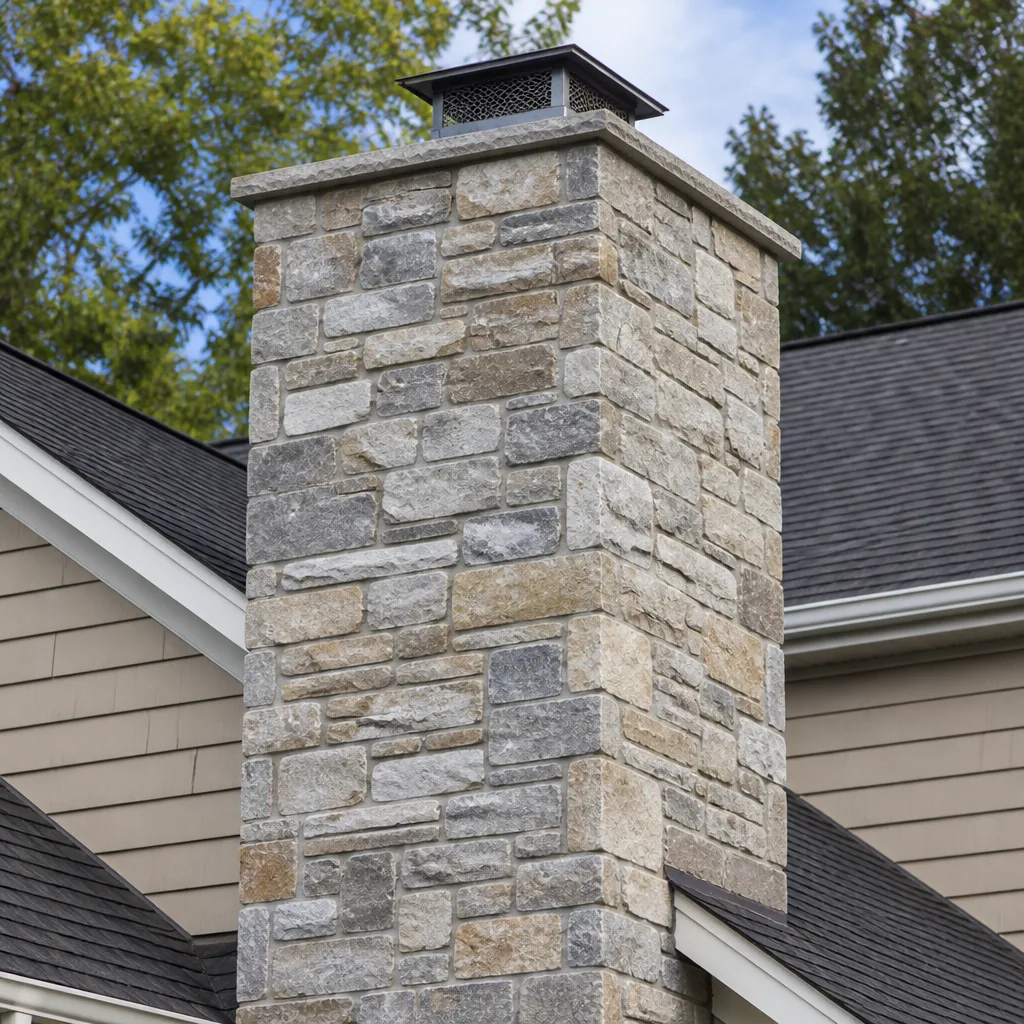 Masonry repair
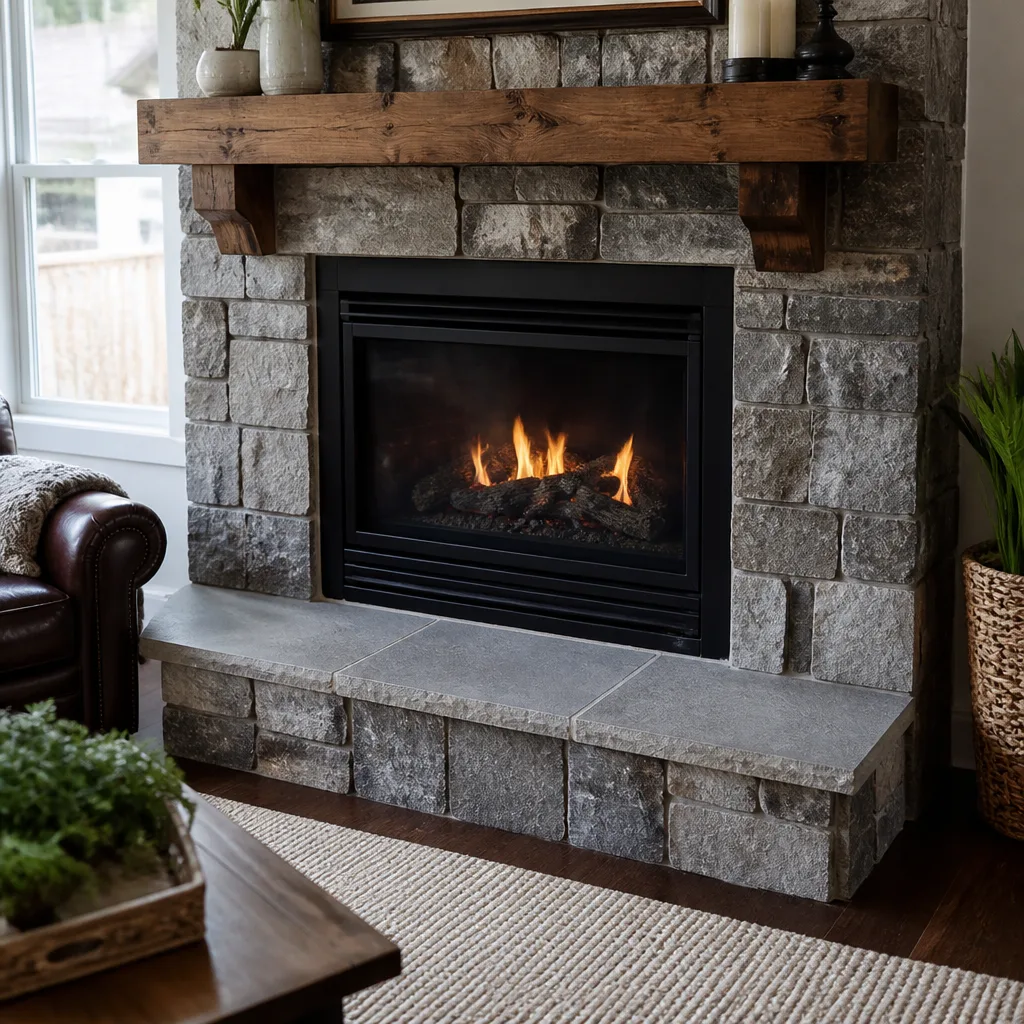 Gas fireplace service
Level 1 sweep and inspection to the NFPA 211 annual standard - flue, crown, cap, and flashing checked and photographed
Chimney sweep logs do not sweep chimneys. They loosen some creosote - which then falls where a brush and vacuum still have to collect it.
Chimney Cleaning Emergency Preparedness Guide for Buena Park Homes
If you smell smoke in your house when the fireplace damper is closed, the first thing most people do is exactly the wrong thing. They open a window, then the front door, then the damper, and suddenly a smoldering flue has a fresh supply of oxygen and a straight path into the living room. The right move is quieter and faster: get the flue closed, get people out, then assess. This guide is built around that difference. It walks Buena Park homeowners through the three chimney emergencies that actually happen here (active chimney fires, smoke backdraft events, and carbon monoxide alarms), the Santa Ana wind conditions that trigger most of them, what to tell the fire department when they pull up, and exactly what records you need afterward for insurance and rebuilding.
Quick Answer
The right response to a chimney emergency depends on what’s actually happening. An active chimney fire gets you out of the house and a call to 911 immediately. A smoke backdraft event gets the damper closed and the house ventilated without feeding the fire. A carbon monoxide alarm gets everyone outside first, then the gas company or fire department. Preparedness, not reaction, is what keeps these from turning into real damage. Most homeowners we meet in Buena Park have never thought through any of the three, and by the time they’re in one, the wrong instinct is already in motion.
Styles & brands we work with
- Sweep & inspection
- Caps & crowns
- Flue relining
- Masonry repair
- Gas fireplace service
Table of Contents
- Scenario 1: Active Chimney Fire Response
- Scenario 2: Smoke Backdraft Event
- Scenario 3: Carbon Monoxide Alarm Activation
- Why Gas Log Inserts Change Your Emergency Profile
- Santa Ana Winds and Negative Draft Emergencies
- What to Tell the Fire Department When They Arrive
- Post-Emergency Documentation Checklist
- Preventing the Emergency Before It Starts
Scenario 1: Active Chimney Fire Response
An active chimney fire sounds like a low rumble, a freight train, or a series of pops coming from inside the flue. You may see flames or sparks at the top, thick black smoke, or a sudden heat that’s hotter than the fire itself should be producing. The fire is usually burning creosote deposits on the flue walls and the temperatures are far higher than anything the chimney is designed to handle. Chimneys are built for the fire inside the firebox, not for a secondary fire clinging to the liner.
Here is the response order we want every Buena Park homeowner to know cold:
- Get everyone out of the house. No stopping to grab items. No going back for pets if any human life is still at risk. Call 911 from outside.
- Close the glass doors and shut any stove dampers on your way out if it takes two seconds and doesn’t delay you. Cutting oxygen starves the secondary fire. If you can’t close them safely, leave them.
- Do not spray water into the firebox. Water on a 1,000°F+ fire can crack the firebox, shatter the liner, and hit you back with steam. It doesn’t put out a creosote fire up the flue anyway.
- Wait for the fire department and follow their instructions. They have chimney-specific equipment and they’ll check the crown and attic side for extension.
- Do not use the fireplace again until a trained technician has inspected the flue and documented the damage. A creosote fire can leave the liner cracked and invisible from the firebox.
Buena Park homes with older masonry chimneys carry more risk here, since many were built before modern liners were standard. If you’ve recently bought and don’t have a record of the last inspection, ours is a good starting point: a Buena Park Chimney Sweep Pros inspection includes camera footage of the whole flue so you know what you’re working with.
Scenario 2: Smoke Backdraft Event
Smoke backdraft happens when the chimney can’t pull air up and out, so it pushes smoke back into the room. You’ll see a lazy fire, smell smoke in the house, and maybe notice a thin haze at eye level. It’s not usually a fire emergency, but it becomes one if the smoke alarms trigger, if anyone has asthma or heart conditions, or if the homeowner does the wrong thing and opens the damper wide with a hot flue.
The sequence that works:
- Open a window on the far side of the room from the fireplace (not the front door). A cross-breeze on the far side feeds the flue. A front door blows the fire’s air current backward.
- Check the damper. Partially closed, fully closed, or blocked by debris are all common causes. Adjust slowly; don’t slam it.
- Get kids and pets out of the room until the smoke clears.
- Do not add more wood. More fuel on a stalled fire makes the smoke worse.
- Note the conditions. Wind, outdoor temperature, and whether this is happening on the first fire of the season. All of that helps a technician diagnose the cause.
Persistent backdraft is usually a symptom of something structural: a flue that’s too short for the roofline, a blocked flue cap, negative pressure in a tightly sealed house, or a chimney that’s overdue for a chimney sweep. In Buena Park, we see it most often in homes where the flue hasn’t been cleaned in several seasons and soot has narrowed the passage.
Scenario 3: Carbon Monoxide Alarm Activation
Carbon monoxide is the emergency most homeowners treat too casually. It’s colorless, it has no smell, and the symptoms (headache, dizziness, nausea, confusion) mimic the flu. If your CO alarm is going off and anyone in the house is feeling odd, you don’t wait to see whether it clears. That’s a real event until proven otherwise.
- Everyone outside immediately. Count heads at the meeting spot.
- Call 911 from outside. Do not go back in to open windows or “just check the fireplace.”
- Call the gas company if you have gas appliances. Your furnace, water heater, and cooking range are common CO sources as well as the fireplace.
- Do not re-enter until the fire department gives the all-clear and confirms the source.
- Get a technician to inspect the chimney and any vented appliance before anyone uses the fireplace again. A cracked flue, a blocked cap, or a backdrafting fire all send CO indoors.
If the alarm is going off with no symptoms and the house feels normal, treat it as a possible false alarm but still leave the house briefly and call the gas company. Faulty detectors are real but rare. A real CO event with a working fireplace nearby deserves a chimney inspection even after the alarm stops. In our experience, a chimney repair visit is often what closes the loop on a mystery alarm.
Why Gas Log Inserts Change Your Emergency Profile
Gas log inserts are common in Buena Park, and they create a different emergency profile than wood-burning fireplaces. A wood fire signals its problems through smoke, smell, and sound. A gas log fireplace can fail quietly. A partially combusted gas flame produces carbon monoxide that goes straight up the flue, and without a working CO alarm, the first sign might be a headache.
Where CO detectors actually help and where they don’t:
- One on each level of the home, per standard guidance, and one within roughly 10 to 15 feet of each sleeping area’s door (not inside the room).
- Placed at mid-wall or on the ceiling, not near the floor and not directly above the fireplace. CO mixes with room air and reads more reliably a few feet away from the source.
- Not placed inside the fireplace room only. If CO leaks overnight while everyone is asleep, a detector in the same room as the fireplace won’t wake anyone.
- Tested monthly, batteries swapped on a fixed schedule, and the detector replaced on the manufacturer’s schedule, not “when it starts chirping.”
Gas log fireplaces also need periodic inspection the way wood systems do. Venting, gas connections, and the flue itself can all drift out of spec. We work with Olympia Chimney and Gelco venting components when we replace or repair a gas appliance flue, and it’s worth asking a technician to look at the venting on any gas fireplace you’ve never had serviced.
Santa Ana Winds and Negative Draft Emergencies
Santa Ana winds are the number one driver of chimney emergencies we get called about in Buena Park. These are the dry, hot, gusty offshore winds that blow through in fall and winter, and when they push down over a roofline, they can invert the draft in a chimney. Instead of pulling smoke up and out, the house pushes smoke down and in. It can happen in seconds, on a fire that was burning fine five minutes earlier.
What to do the moment a Santa Ana gust turns the chimney:
- Close the damper immediately if the fire is small or out. Shut off the air supply to the firebox.
- Open a window on the downwind side of the house. A pressure differential helps reestablish upward flow.
- Do not start a new fire during an active Santa Ana. Wait for the wind event to pass. A fire that was fine last night may backdraft this afternoon.
- Watch for a cherry-red glow on the firebox or a sudden jump in smoke at the top of the chimney. Those are signs of fire where the fire shouldn’t be.
- Call a technician after the wind event if backdraft happened more than once. Repeated negative draft usually means the flue is undersized for the home or too short for the roofline.
Buena Park’s neighborhoods sit at a mix of elevations and rooflines, and a chimney that drafts perfectly on a calm evening can invert on a Santa Ana afternoon. If that happens more than once, it’s worth a diagnostic visit. We work with DuraFlex flexible liner systems specifically because older and non-standard flues here sometimes need a liner sized to the home, not to the catalog.
What to Tell the Fire Department When They Arrive
Fire departments respond to chimney calls more confidently when the homeowner can hand them four pieces of information. This isn’t insider knowledge; it’s what the crew needs to decide how aggressive to be with the flue.
- Whether the chimney is wood-burning or gas. A gas insert means a shut-off valve matters. A wood fire means the firebox is the fuel source and the flue is the extension risk.
- Whether there’s a masonry or prefab flue. Prefab (metal) flues have different clearances and different behavior in a fire. Masonry flues carry more thermal mass and crack differently.
- When the chimney was last swept and inspected. If it’s been more than a year, tell them. Heavy creosote load means a hotter, longer-burning fire up the flue.
- Whether there’s a chimney cap and what kind. A solid cap can trap heat; a spark-arresting cap can affect draft. The crew needs to know what they’re looking at from the roof.
Keep a one-page summary of those four items somewhere in the kitchen or on the fridge. In a real event, nobody is going to want to hunt through a file cabinet. If you’ve had a recent inspection, the report already has all four. If not, our technicians document exactly that information on every chimney repair and inspection visit so you have it in hand.
Post-Emergency Documentation Checklist
After a chimney fire, backdraft event, or CO alarm, insurance companies and future technicians both need the same package of records. Gathering it in the days after the event is much easier than reconstructing it weeks later when adjusters are asking questions. Here’s what to collect.
- Photographs of everything before cleanup. Firebox interior, flue opening, the top of the chimney from outside if it’s safe, any soot staining on walls or ceilings, and the chimney exterior from ground level. Time-stamp photos count.
- The fire department incident report number and the name of the responding captain or station. Call the non-emergency line the next day and ask for a copy.
- The gas company report if a CO event was involved, including the readings they took.
- A written inspection report from a technician covering the flue interior (camera footage), firebox, damper, crown, and cap. This is the document most insurance adjusters want most.
- Estimates for repair or replacement in writing, itemized. Vague lump-sum estimates get negotiated down. Itemized ones don’t.
- A dated record of the last sweep and inspection before the incident, if you have one. That proves routine maintenance and supports your claim.
Save digital copies in more than one place. Insurance companies can ask for records a year later. Our reports include photos and camera footage by default so you have the package without asking.
Preventing the Emergency Before It Starts
Every scenario in this guide has a preventable version. The three most common root causes we diagnose in Buena Park are heavy creosote buildup, a compromised chimney cap, and a crown that’s cracked and letting water into the masonry. Each is cheaper to address than the emergency it causes.
- Annual inspection and sweep for wood-burning fireplaces. Creosote builds up even with careful burning, and once it’s over a certain thickness, the fire is closer to an ignition source than a fuel.
- A proper chimney cap. A cap keeps out rain, animals, and debris. Birds and squirrels establish nests in uncapped Buena Park chimneys constantly, and a blocked flue is a CO risk the first time the fireplace is used. We install chimney caps as a standalone service because it’s preventive work, not an upsell.
- A crown in good shape. The crown is the concrete cap at the top that sheds water away from the masonry. A cracked crown lets water in, and water in masonry leads to spalling brick, a failed liner, and eventually a rebuild.
- Flue resurfacing where it applies. When a flue is pitted or spalling but structurally sound, ceramic resurfacing with HeatShield can restore the liner surface instead of replacing it. Not every flue qualifies. A camera inspection is what decides.
- CO detectors on every level, tested monthly. Small investment, big safety return.
- A written chimney record. Every inspection, sweep, and repair, filed together. In an emergency, you have everything the fire department or adjuster will ask for.
Common Mistakes to Avoid
- Opening the front door when the fireplace smokes. A front door on the same side as the fireplace can reverse draft and push smoke further into the house. An open window on the far side does the opposite. This is the single most common mistake we see.
- Pouring water on a chimney fire. The fire is up the flue, not in the firebox. Water from below cracks the firebox and doesn’t reach the source. Use the glass doors and the damper to cut oxygen, then get out.
- Assuming gas logs mean “no fire risk.” A gas log insert still needs an annual inspection, working CO detection, and a venting check. Quiet failures are exactly what these systems do.
- Running the fireplace on a Santa Ana wind day without a check. Negative draft is a wind event phenomenon. If the wind is gusting and you don’t know the chimney’s draft behavior, skip the fire.
- Waiting for a second CO alarm before acting. If the alarm goes off once, treat it as real. False alarms are rare and the consequences of being wrong are serious.
- Filing the inspection report without photos. A written report without camera footage is worth very little to an insurance adjuster. Ask for the footage.
- Skipping the cap on a “complete” sweep. A sweep cleans the flue. A cap keeps it clean. If your sweep service doesn’t offer caps, you’re missing a preventive layer that most homes need.
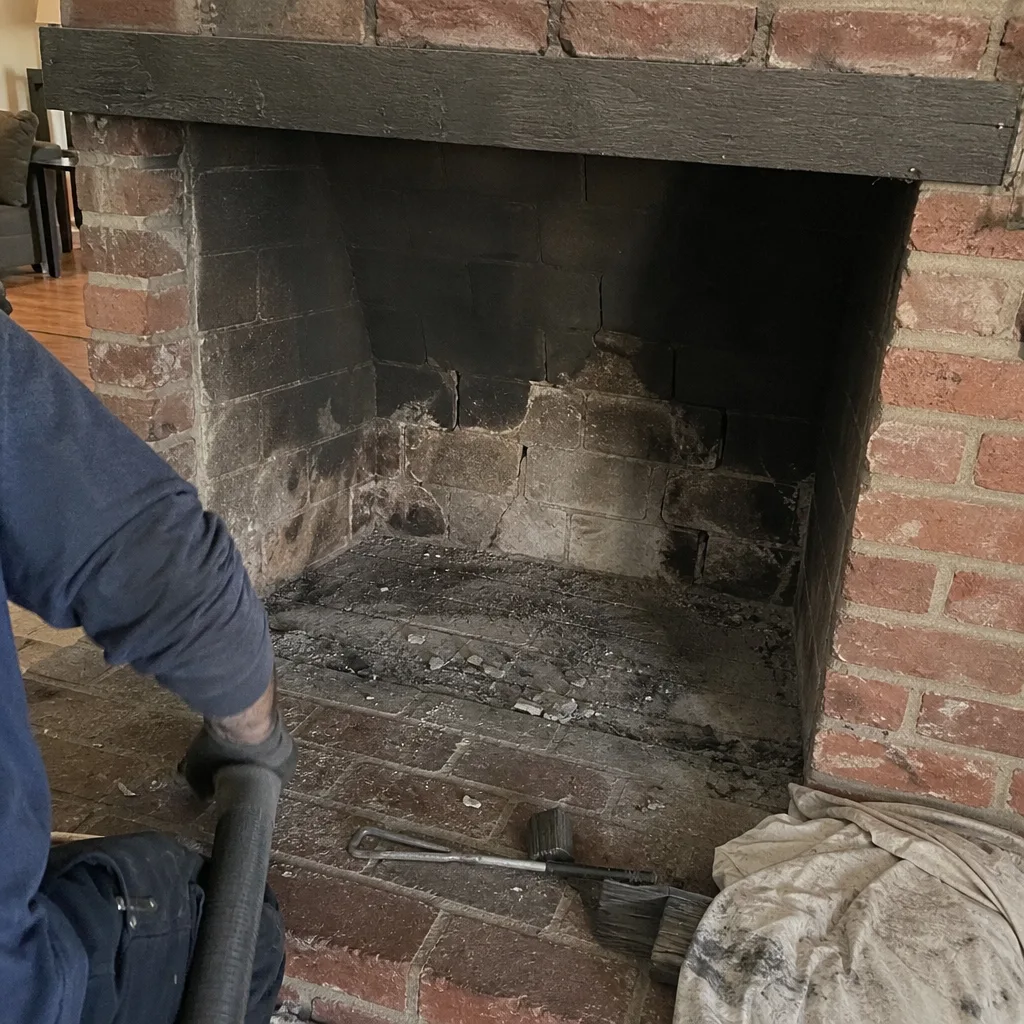
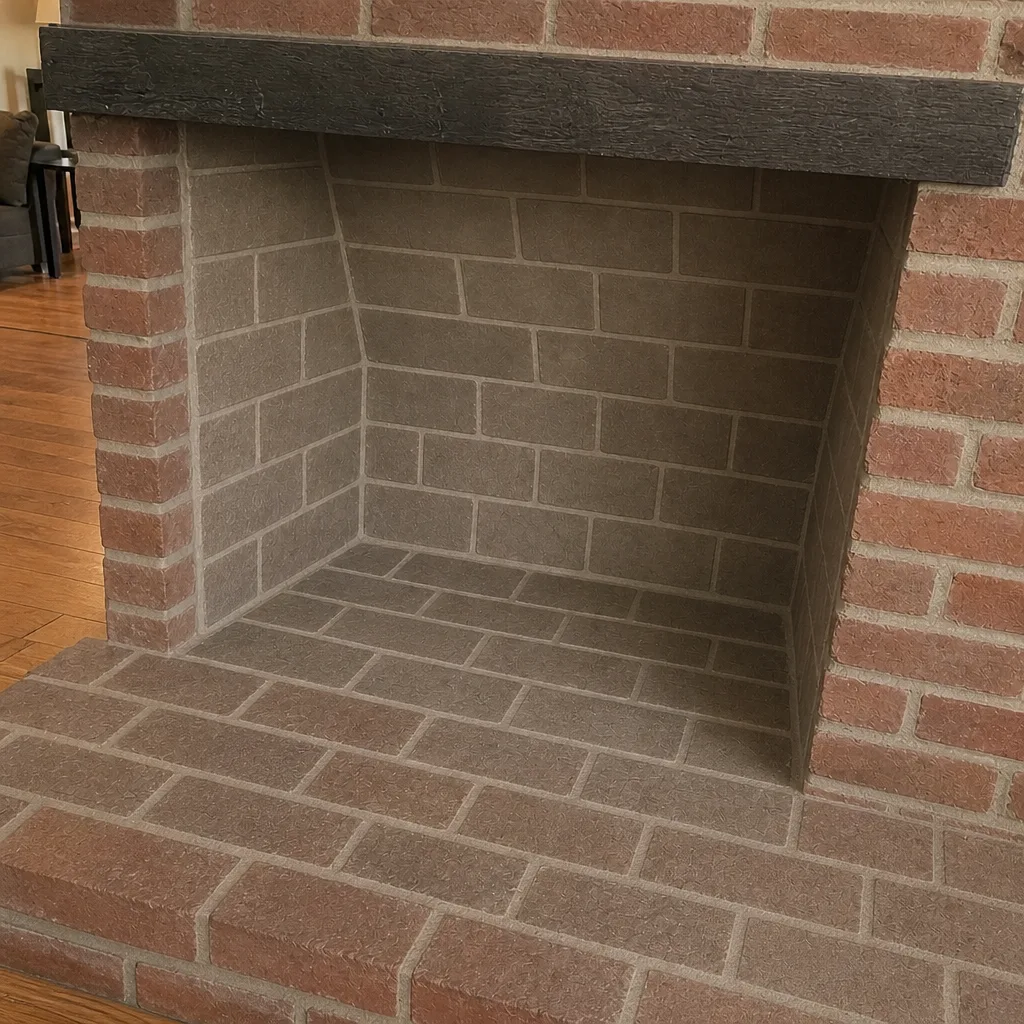
See the difference
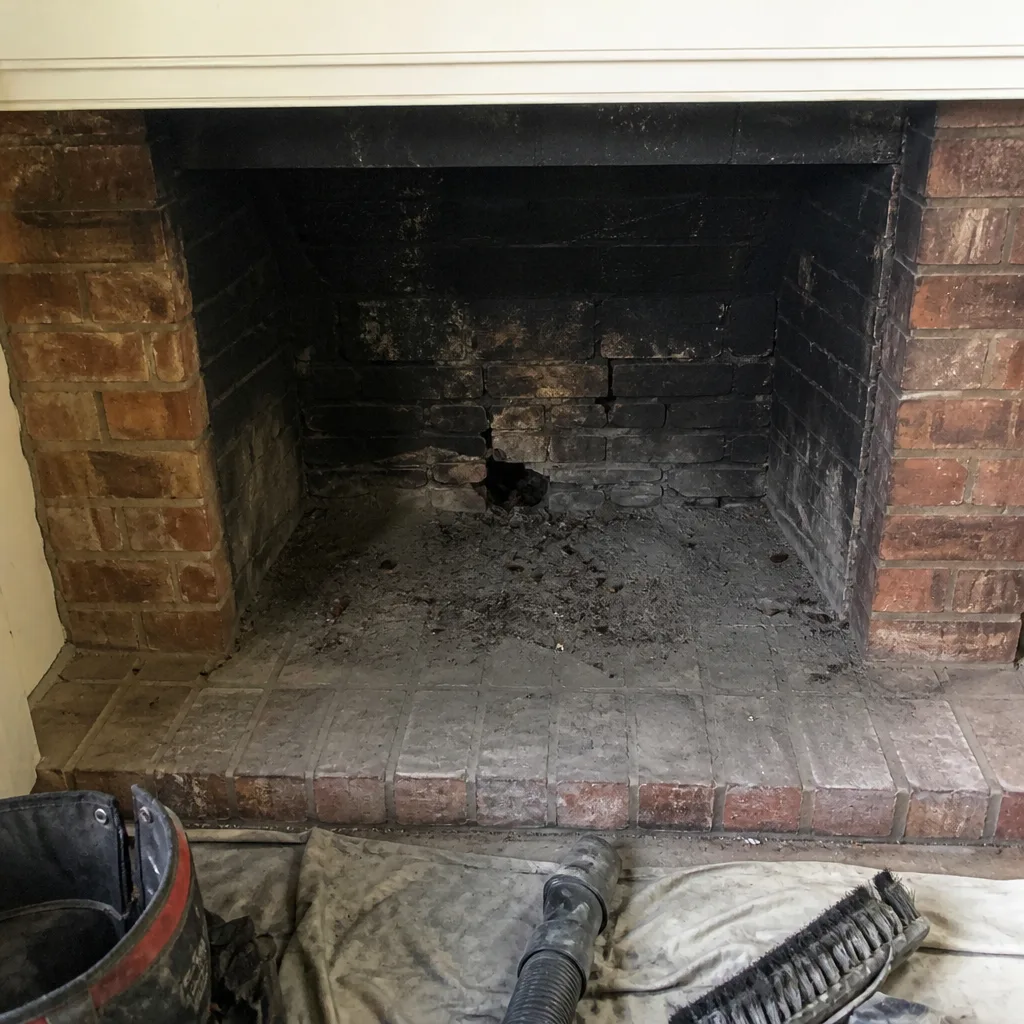 Before
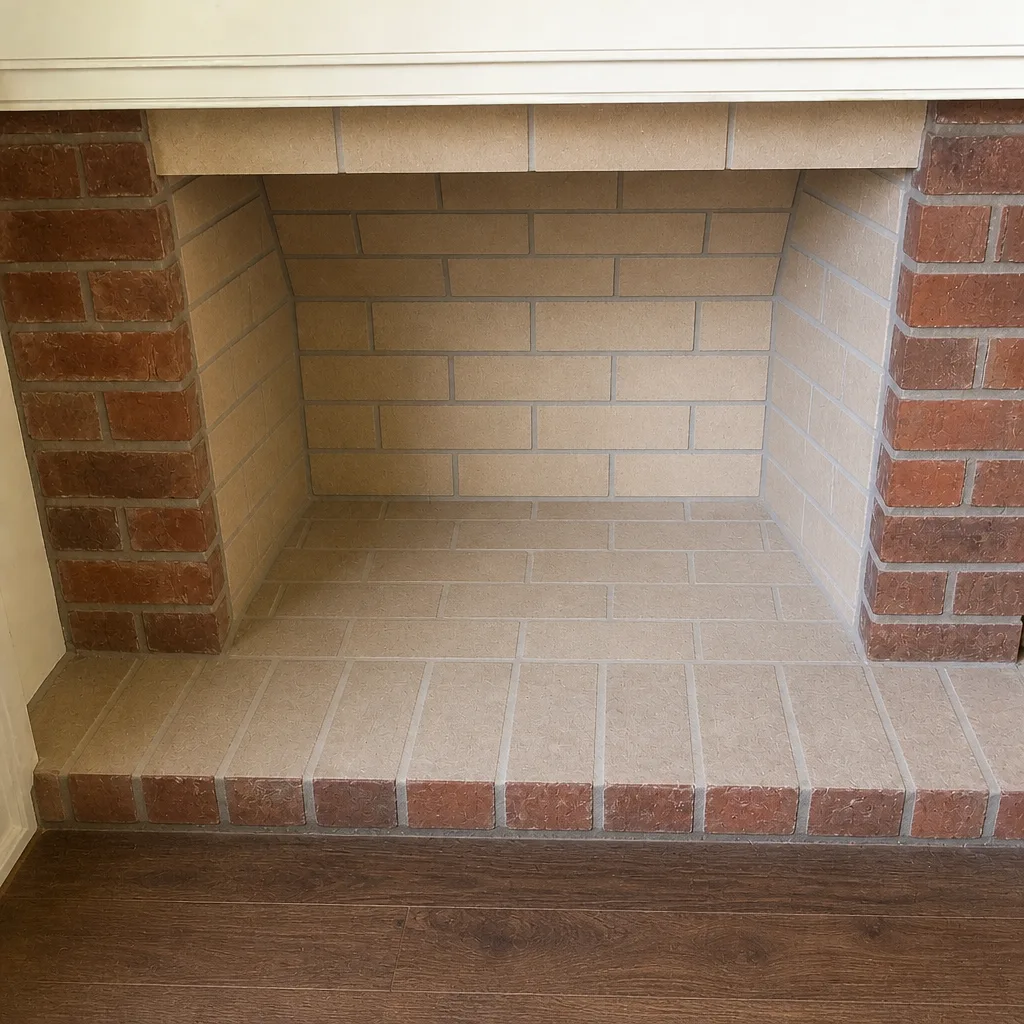 After
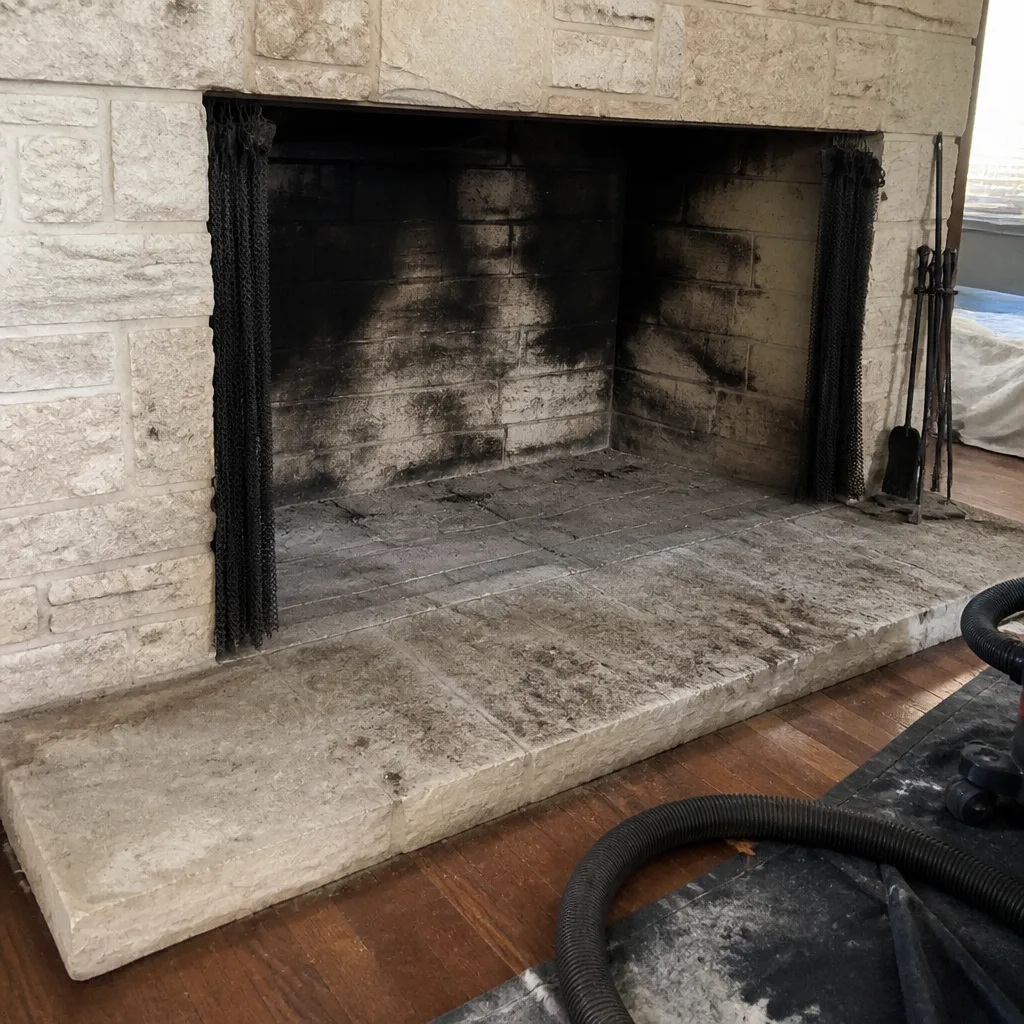 Before
 After
 Before
 After
When to Call a Professional
After any of the three emergencies in this guide, call a technician before the fireplace is lit again. After a chimney fire, a backdraft event that produced visible smoke indoors, or any CO alarm that wasn’t a battery chirp. Call after a Santa Ana wind event that reversed draft twice. Call if the fire smells stronger than it should, if soot is falling into the firebox, if the chimney cap is missing or damaged, or if you have no record of the last inspection and you’ve just bought the home. If you’ve inherited an older chimney with no documentation, don’t guess. Buena Park Chimney Sweep Pros offers free estimates in Buena Park. Call (877) 792-7250. We answer 24/7. Fast dispatch from 7am to 7pm, Sunday through Friday.
Frequently Asked Questions
Get everyone out of the house and call 911 from outside. Close the glass doors and any stove damper on your way out if it takes two seconds and doesn’t delay you. Do not spray water into the firebox. Wait for the fire department and don’t use the fireplace again until a technician has inspected the flue. Call (877) 792-7250 for an inspection quote after the event; estimates are free.
Because pressure has shifted in the house, not because the damper is failing. Smoke indoors with a closed damper usually means the flue is drafting downward (backdraft), the flue is blocked or narrowed by soot, or negative pressure in the house is pulling air down the chimney. Open a window on the far side of the room, don’t add more fuel, and get a technician out to diagnose the cause. Call (877) 792-7250 if it persists; estimates are free.
Different, not safer. Gas log fireplaces produce carbon monoxide as their primary risk, which is harder to notice than smoke. They still require annual inspection, venting checks, and working CO detectors. The emergency profile changes from “chimney fire” to “CO event,” and CO events can happen without any visible sign. Call (877) 792-7250 to schedule an inspection; estimates are free.
Yes. Santa Ana winds create negative draft conditions that can invert a chimney’s airflow within minutes, pushing smoke back into the house on a fire that was burning cleanly moments earlier. Close the damper, open an upwind-side window, skip the fire until the wind event passes, and call a technician if it happens more than once. Call (877) 792-7250 for a diagnostic visit; estimates are free.
Four things: whether the chimney is wood-burning or gas, whether it’s masonry or prefab, when it was last swept and inspected, and what kind of chimney cap is on top. Those four items determine their approach. Keep them on a single sheet somewhere in the kitchen so you have them fast. Call (877) 792-7250 if you don’t have a recent inspection report and want to build one; estimates are free.
Yes. Small chimney fires leave cracked liners and damaged flue walls that aren’t visible from the firebox. A camera inspection is the only way to know whether the flue is still structurally sound or needs repair before the fireplace is used again. Call (877) 792-7250 to schedule an inspection and get a photo report; estimates are free.
The Bottom Line
Chimney emergencies in Buena Park are almost never a sudden chimney fire that appears from nowhere. They’re a backdraft that could’ve been stopped by closing the damper, a CO alarm that could’ve been caught earlier with a working detector, or an animal nest that could’ve been prevented with a cap. The preparation work is real, and it’s narrow: get an inspection you can see, fix the crown and cap, put a CO detector on every level, and rehearse the three responses with everyone in the house. If you don’t have a current inspection, that’s the first thing to schedule. We work with DuraFlex, HeatShield, Gelco, Olympia Chimney, Famco, and Copperfield because the right material matters for the specific flue in your home, not because the catalog says so. Call (877) 792-7250 for a free estimate. We answer 24/7. Fast dispatch from 7am to 7pm, Sunday through Friday. Our technicians have up to 14 years of experience.
Written by the team at Buena Park Chimney Sweep Pros.