
Last updated November 25, 2026
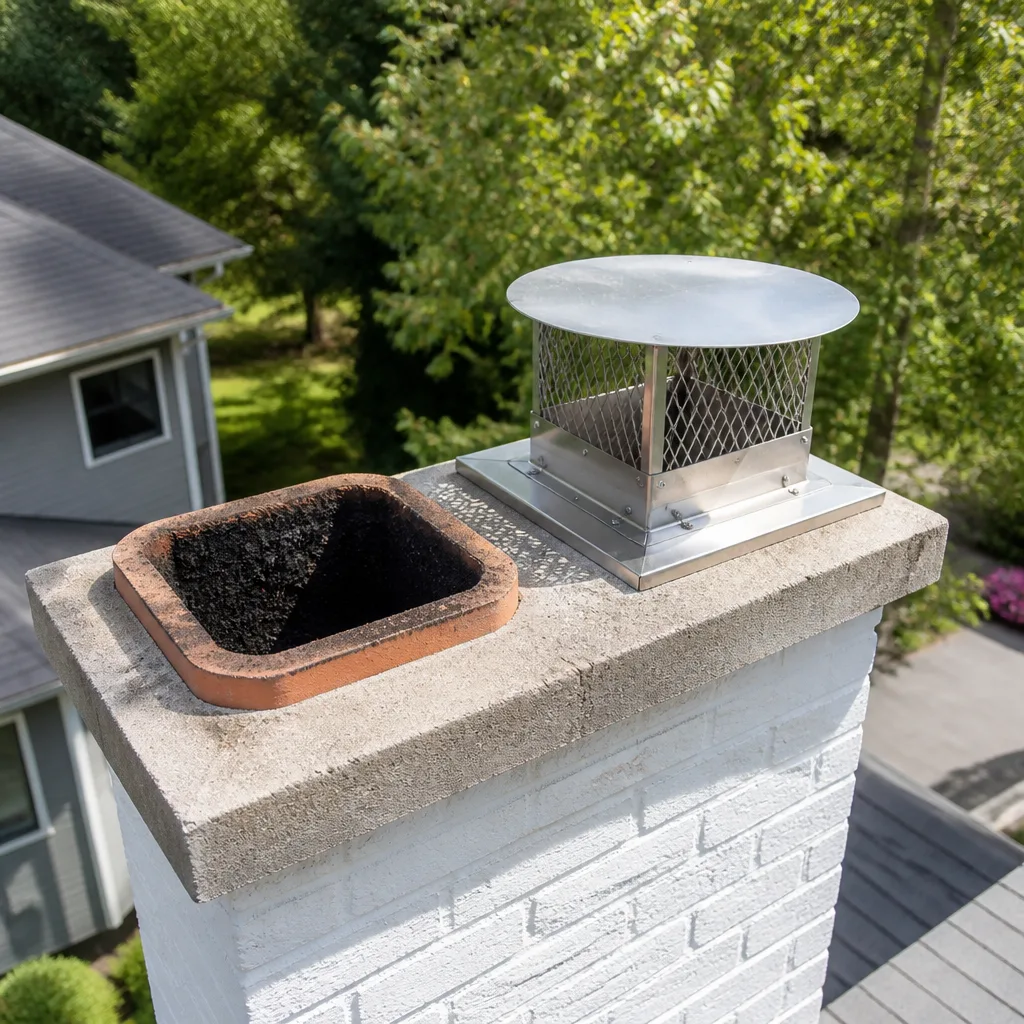 Sweep & inspection
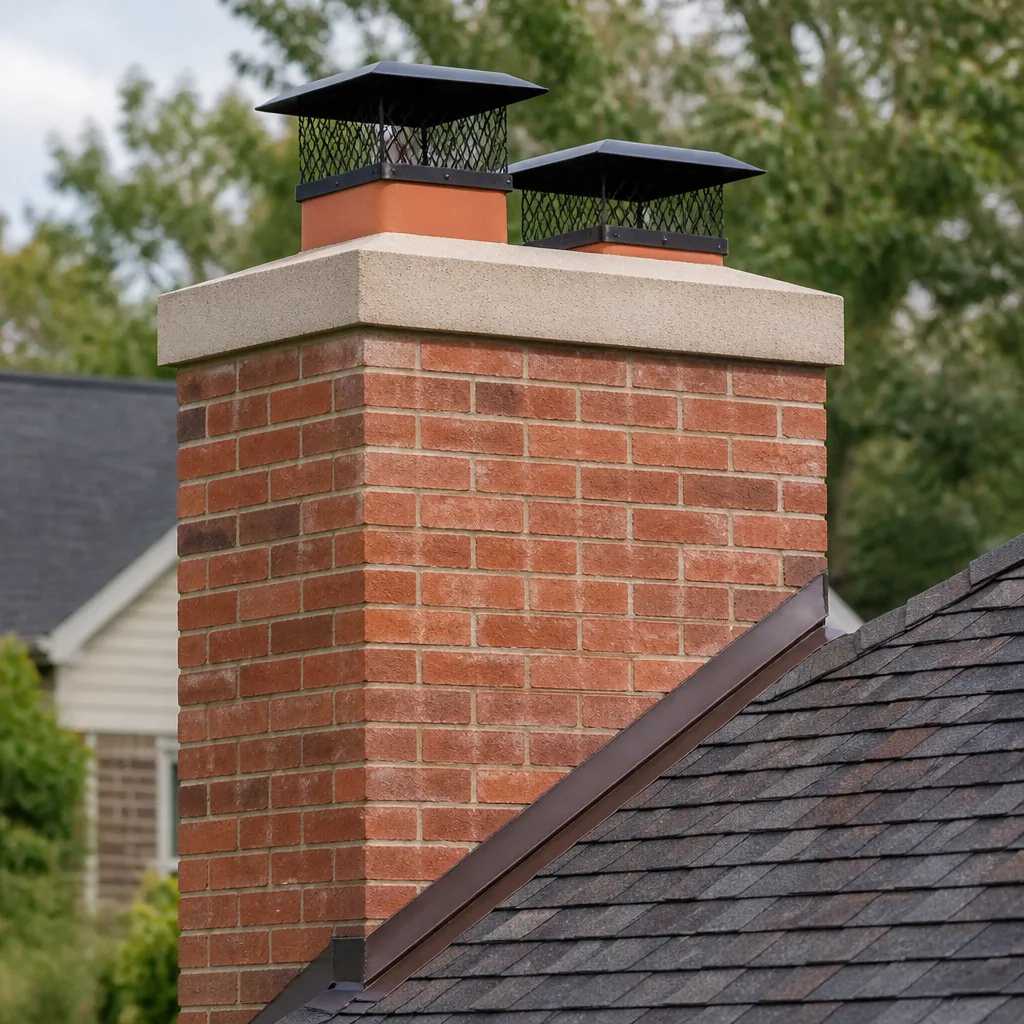 Caps & crowns
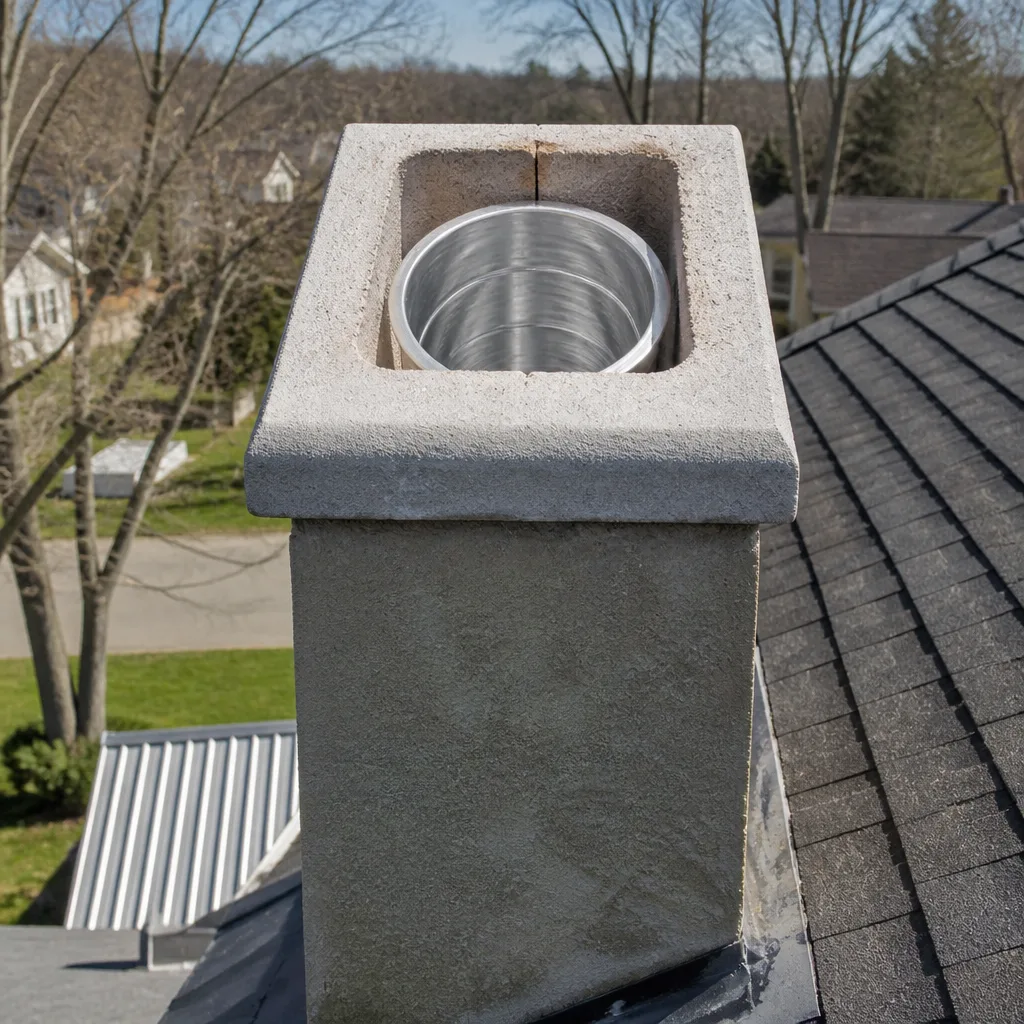 Flue relining
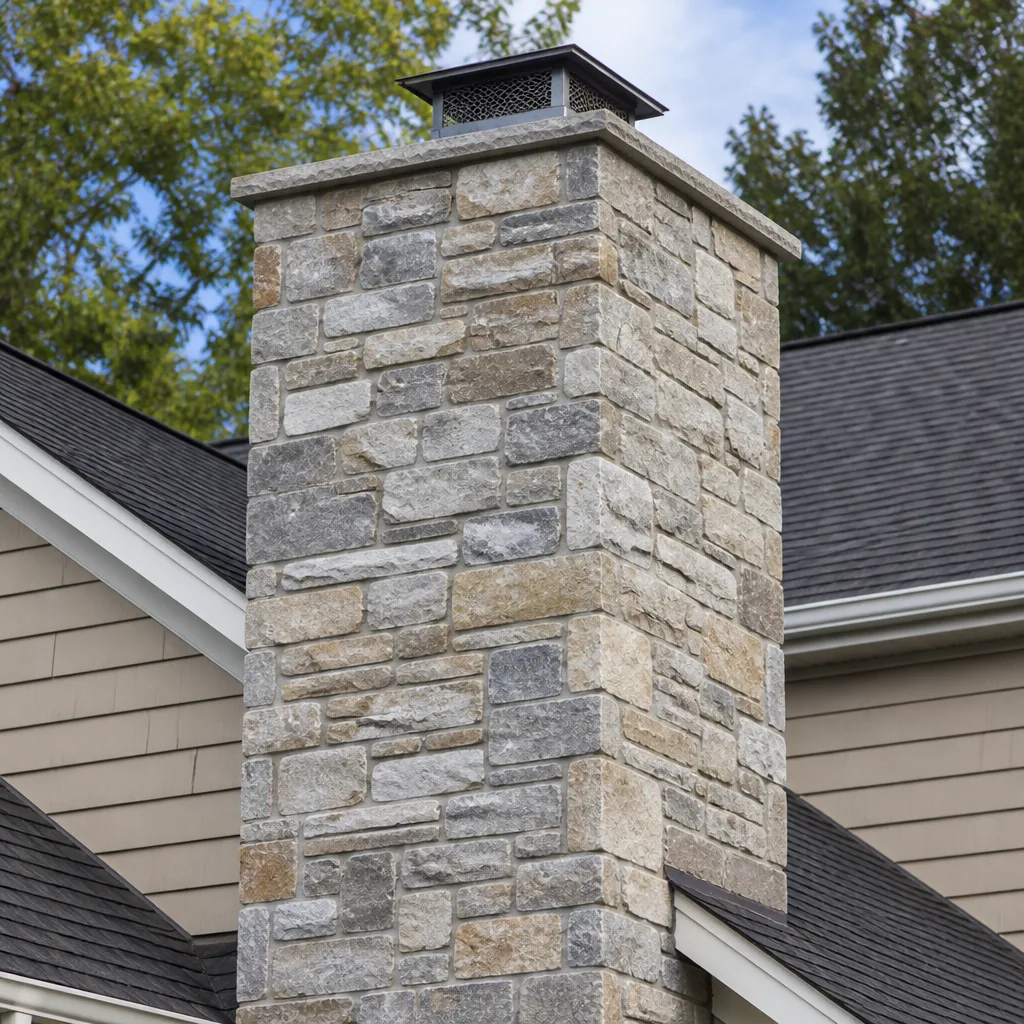 Masonry repair
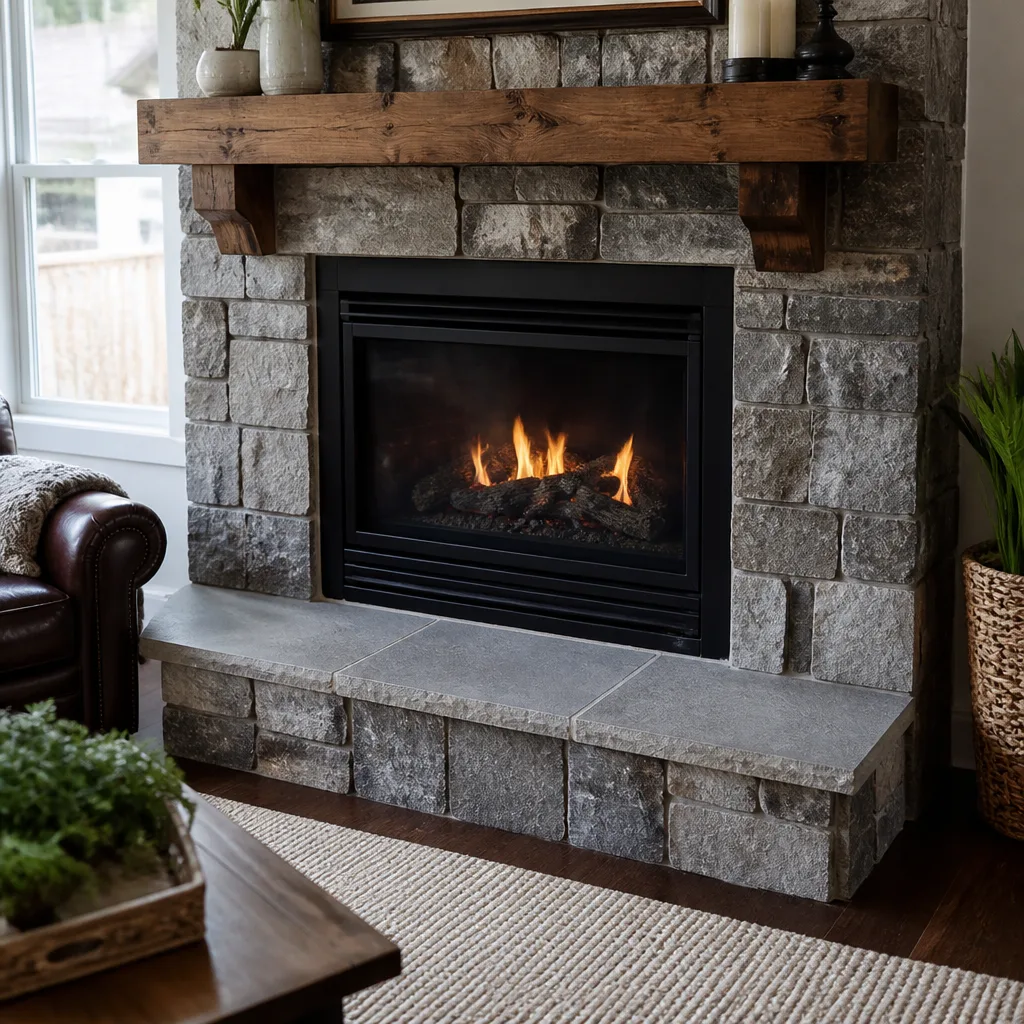 Gas fireplace service
Level 1 sweep and inspection to the NFPA 211 annual standard - flue, crown, cap, and flashing checked and photographed
Chimney sweep logs do not sweep chimneys. They loosen some creosote - which then falls where a brush and vacuum still have to collect it.
Chimney Cleaning Permits, Codes & Inspections in Buena Park, CA: What You Need to Know
Most chimney work in Buena Park doesn’t require a permit. That surprises people. The work that does require one is where homeowners get into trouble, and it’s almost never the cleaning itself. A straightforward sweep is maintenance. Cutting into a flue, rebuilding a crown, swapping a liner, or altering the chimney structure is construction, and construction in California runs through a code book and a building department. Insurance carriers have started asking for proof of permitted work when a chimney-related claim comes in, and a seller who can’t produce it can find a sale stalled. This guide maps exactly where the line sits, what the City of Buena Park expects, and what to do if you’ve inherited work that was never signed off. We’ll keep it practical.
Quick Answer
In Buena Park, routine chimney sweeping and visual inspection generally do not require a permit. Structural repair, relining, crown replacement, and any work that alters the chimney’s construction fall under California Residential Code Chapter 10 and typically require a building permit from the City of Buena Park’s Building & Safety division. When in doubt, the permit question is answered by your local building department, not by the contractor who wants the job.
Styles & brands we work with
- Sweep & inspection
- Caps & crowns
- Flue relining
- Masonry repair
- Gas fireplace service
Table of Contents
- Where the Permit Line Falls in Buena Park
- What California Residential Code Chapter 10 Actually Governs
- How the City of Buena Park Handles Chimney Repair Inspections
- Why Your Insurance Company Wants Permitted-Work Documentation
- What to Do About Unpermitted Chimney Work From a Previous Owner
- Inspection Levels: Which One You Actually Need
- How Buena Park’s Climate and Housing Shape Chimney Wear
- What a Code-Compliant Chimney Looks Like at Inspection
Where the Permit Line Falls in Buena Park
The simplest way to think about it: cleaning removes deposits, repair changes the structure. Deposits come and go. Structure is what the code cares about. A sweep clears creosote and soot from a flue that already exists and is not expected to change. Nothing about that triggers a building permit in Buena Park or anywhere else in California.
Here’s the split as we work through it on real jobs.
Generally no permit required:
- Routine chimney sweeping and creosote removal
- Level 1 visual inspection during a sweep
- Replacing a chimney cap (a standard cap on an existing flue)
- Minor firebox cleaning
- Installing or replacing a spark screen on an existing cap
Typically requires a permit:
- Installing a new chimney liner or replacing an existing one
- Relining a flue with a poured or ceramic resurfacing system
- Rebuilding or replacing a chimney crown
- Structural repair to the chimney stack, chase, or masonry
- Changing the flue’s size, height, or configuration
- Adding a new chimney or appliance flue
- Any work that alters the chimney’s fire separation from the home
That second list is where a lot of Buena Park homeowners get surprised. A liner replacement sounds like maintenance to the person writing the check. Under the code, it’s an alteration to a venting system, and that’s construction. We always tell people the same thing: ask the Building & Safety division before the work begins, because asking after is a much harder conversation. If a contractor tells you a liner swap never needs a permit, get that in writing and then verify it with the city.
The permit question is also a useful screening tool. A chimney professional who works with HeatShield or DuraFlex and installs liners regularly knows the permit landscape in the cities they work in. One who dodges the question is telling you something about how they operate.
What California Residential Code Chapter 10 Actually Governs
Chapter 10 of the California Residential Code is the section that governs chimneys and vents. It’s where the state sets out how a chimney must be built, how tall it must be relative to the roof, what clearances it needs from combustible material, how flues must be lined, and what materials are allowed. When a Buena Park building inspector looks at a chimney repair, Chapter 10 is the standard they’re measuring against.
You don’t need to read the whole chapter to own a chimney responsibly. You do need to understand the categories it controls, because each one connects to a real failure mode.
- Flue lining. The code requires a chimney to have a lining appropriate to the appliance it serves. A cracked, spalling, or missing liner is a code deficiency, not just a maintenance note. This is the single most common trigger for a repair permit in Buena Park.
- Height and termination. Chimneys must terminate at a specified height above the roof and above nearby rooflines to draft properly. Raising or lowering a chimney changes performance and can affect code compliance.
- Clearances from combustibles. The space between the chimney and framing, insulation, and roofing material is regulated because heat transfer to those materials is a fire hazard. Altering clearances requires a permit and inspection.
- Crown and cap requirements. The crown sheds water away from the flue. A failed crown lets water into the masonry, which is why crown work falls under repair scope rather than cosmetic work.
- Materials. Chapter 10 limits what can be used in chimney construction. This matters when a repair proposes a material the code doesn’t recognize for that application.
We work with Gelco and Olympia Chimney components partly because they’re specified for code-compliant installations, and the paperwork lines up the way an inspector expects. When a job is permitted and inspected, the materials matter as much as the labor, because the inspector is checking the assembly, not just the finished surface.
One thing worth saying plainly: Chapter 10 is a floor, not a ceiling. Local amendments and the Building & Safety division’s own interpretation can add requirements on top. The code book tells you the general rule; the city tells you how it applies to your house.
How the City of Buena Park Handles Chimney Repair Inspections
Chimney repairs in Buena Park flow through the city’s Building & Safety division, the same department that handles remodels, additions, and other residential construction. When a permit is issued for chimney work, the inspection process follows the construction in stages. The inspector typically wants to see certain things before they’re covered up.
A typical sequence for a permitted relining or structural repair looks like this.
- Permit application. The scope of work is described, often with the material specified (for example, a flexible liner system or a resurfacing method).
- Pre-cover inspection. Before a new liner or structural work is enclosed, the inspector verifies the installation. This is the stage homeowners most often don’t know exists, and it’s why a job done without a permit can’t simply be “inspected later” without opening things back up.
- Final inspection. The completed assembly is checked against the permitted scope and the code.
- Sign-off and record. The permit closes, and the work is on the record at the city. That record is what your insurer or a future buyer may ask for.
What triggers the city’s involvement is straightforward: any repair that alters the chimney’s construction. A cleaning never does. A crown rebuild, a liner replacement, masonry repair, or a change to the flue arrangement does. The city’s role isn’t to inspect your annual sweep; it’s to verify that structural changes meet Chapter 10 and the local amendments.
For homeowners who’ve never pulled a permit, the process sounds heavier than it is. The work itself doesn’t change much. What changes is that a qualified professional plans the job around the inspection stages from the start, and the assembly gets verified before it disappears behind masonry. If a Buena Park contractor wants to schedule the inspection for you and won’t put the permit in their name, that’s a conversation worth having before you sign anything.
The other half of the equation is the diagnostic work that happens before any permit application. We start every job by understanding what’s actually wrong. That’s what a chimney sweep and inspection does – it tells you whether you’re looking at maintenance or construction. The permit follows the diagnosis, not the other way around.
Why Your Insurance Company Wants Permitted-Work Documentation
Here’s the part that catches people off guard. When a chimney-related fire claim comes in, insurers increasingly look at whether the chimney work was permitted and inspected. A relining job done without a permit can raise questions about whether the venting system met code at the time of the loss. In the worst case, coverage for that portion of the claim can be disputed.
We’re not going to tell you a specific insurer’s policy language, because that varies by carrier and by policy. What we can tell you is what we see: documentation requests are becoming routine on chimney claims, and the homeowners who have clean paperwork have a much smoother time.
The documentation that matters most:
- The permit record. The city’s record of the permit and its final inspection.
- The inspection report. A written report with photos showing the condition of the flue and the scope of work, which is why we include a camera inspection and a photo report on our jobs.
- The material specification. A record of what was installed and by whom, so the assembly can be verified later.
- Annual inspection records. A paper trail showing the chimney was maintained, which supports the argument that the loss wasn’t from neglect.
This is a big part of why we work the way we do. Every job starts with diagnosis before anyone recommends work. You’ll see the camera footage and the photos yourself, so when you talk to your insurer or a future buyer, you have evidence, not a verbal description. That’s also why we’d rather tell you a repair can wait than sell you work you don’t need yet.
If you’re calling your insurer about a chimney issue, have the inspection report ready. If you don’t have one, that’s the first call to make.
What to Do About Unpermitted Chimney Work From a Previous Owner
You bought a house in Buena Park and the chimney looks newer than the house. Or a neighbor mentions the previous owner had “the chimney redone.” Or your inspector flagged a liner that doesn’t match the fireplace. This is common, and it’s manageable. The key is to deal with it before you list the house or start a renovation, not after.
Here’s the order we walk people through.
- Get a proper inspection first. A camera inspection and a written report tell you what was actually installed and whether it’s safe. Unpermitted doesn’t automatically mean unsafe, and permitted doesn’t automatically mean it’s in good shape today. You need current facts.
- Compare what you have to what the code requires. If the existing assembly is code-compliant, the path may be a permit application and inspection for work already done, which varies by jurisdiction. The Building & Safety division is the authority on whether they’ll accept that for your address.
- Fix what isn’t compliant. If the liner or crown doesn’t meet Chapter 10, it gets corrected, and the correction is permitted and inspected.
- Document everything. Keep the inspection report, the permit record, and the photos together. That file is what you hand to a buyer’s inspector or your insurer.
For sellers, the timing matters. A buyer’s inspector will catch a non-compliant chimney, and that becomes a negotiation item. Getting ahead of it with a permitted correction and clean documentation removes the leverage. For renovators, the same logic applies: the inspection is cheaper before the walls come down than after.
We’ve worked on plenty of Buena Park homes where the previous work turned out to be fine and the answer was simply to document it. We’ve also seen the other kind, where a flue had no proper liner and a reline was the safe answer. You can’t tell which one you have without looking.
Inspection Levels: Which One You Actually Need
Chimney inspections come in levels, and knowing which one applies to your situation saves time and confusion. The levels aren’t a marketing invention; they’re a trade standard, and each one answers a different question.
Level 1 is a visual inspection of the readily accessible parts of the chimney during a routine sweep. It’s what you get with an annual cleaning. It answers: is anything obviously wrong?
Level 2 adds a camera inspection of the flue and a review of accessible portions of the chimney, attic, and crawl space where the chimney passes through. It’s the level you want when something has changed: a new home purchase, a change of appliance, a chimney fire, a flue that hasn’t been used in years, or a repair being planned. It produces the documentation we just talked about.
Level 3 is a diagnostic inspection that may involve opening parts of the chimney. It’s used when a Level 2 finds something that needs a closer look.
For Buena Park homeowners, the practical guidance is simple. A routine annual sweep gets a Level 1. A home purchase, a liner or crown repair, or a newly acquired older house gets a Level 2. If a company can’t tell you which level they’re performing or why, that’s a sign they’re not planning the work from the diagnosis.
This is also where we push back on the assumption that a camera inspection is an upsell. The photo report isn’t a sales tool. It’s the basis for every repair decision and the file you’ll need later. Camera evidence you can see for yourself is the whole point.
How Buena Park’s Climate and Housing Shape Chimney Wear
Buena Park winters are mild. That matters for how chimneys wear here in a way that’s different from colder parts of the country. A chimney that sees a handful of fires a season doesn’t build creosote the way one in a hard-freeze climate does, and you won’t see the frost-related damage that dominates chimney advice written for the Northeast. So why do chimneys here still fail?
Three things do most of the work in Buena Park:
- Seasonal use in an older housing stock. A lot of Buena Park homes are decades old, and a fireplace that sat unused for years while the house changed hands can have a cracked crown, a deteriorated cap, or a liner that’s begun to fail without anyone noticing. The chimney didn’t get used, so nobody looked.
- Water, not cold. The milder climate doesn’t stop rain and moisture from getting into masonry through a missing or damaged cap and a failed crown. Water is the long-term enemy here, and it does its damage quietly over years.
- Gas appliance flues. Gas fireplaces and appliances produce a different venting environment than wood, and the liner requirements differ. An older chimney serving a gas appliance may not have the right liner for the current configuration, which is a code question as much as a safety one.
The seasonal rhythm matters, too. Wood-burning homeowners in Buena Park have a window before the first fires of the cool season to get the chimney assessed and any repair done. That’s the time to act. Catching a cracked crown or a failing liner in autumn means you’re not dealing with it mid-season, and it means any permit and inspection process is done before you want the fireplace back. That’s the urgency we actually communicate: seasonal, not hourly.
The other local factor is that a lot of Buena Park homes have fireplaces that were converted or added to over the years. A later addition can leave a chimney serving an appliance it wasn’t designed for. That’s exactly the kind of thing a Level 2 inspection catches, and it’s the kind of thing that requires a permitted correction.
What a Code-Compliant Chimney Looks Like at Inspection
Whether you’re pulling a permit for repair or preparing for a home sale, it helps to know what an inspector is actually looking for. A code-compliant chimney isn’t just one that drafts and doesn’t smoke. It’s an assembly where every part satisfies Chapter 10’s requirements for lining, height, clearance, and materials.
Here’s what a compliant chimney has, in plain terms:
- A sound, continuous flue lining appropriate to the appliance it serves, with no cracks or gaps that could let heat or combustion gases through.
- A crown in good condition that sheds water away from the flue, with no cracks that let water into the masonry.
- A cap in place that keeps rain, animals, and debris out while allowing exhaust to escape.
- Correct clearances between the chimney and combustible materials, with any required airspace intact.
- Proper height and termination relative to the roof, so the chimney drafts and meets the code’s termination requirements.
- Documented materials matching what the permit specifies, so the installation can be verified.
When we reline a flue, we’re matching the material to the specific appliance and the specific flue geometry. That’s why we work with both HeatShield’s ceramic resurfacing and DuraFlex’s flexible liner systems: they cover different situations. HeatShield can restore a liner where the flue is otherwise sound, extending the chimney’s life without a full reline. DuraFlex handles aged or non-standard flue configurations where a rigid liner won’t fit. The right material for your specific flue matters more than any single brand, and the inspector is checking the assembly, not the label.
If you want to understand the repair side in more depth, our guide to chimney repair walks through the common failures and what correcting them involves. For fireplace-level issues, fireplace repair covers the appliance side of the same system.
Common Mistakes to Avoid
- Assuming every repair needs a permit, or that none do. Cleaning and visual inspection don’t require one; structural repair and relining typically do. Getting the split wrong in either direction costs you time or coverage.
- Hiring a contractor who won’t put the permit in their name. If they can’t pull the permit and schedule the inspections, the work isn’t going to be documented the way your insurer wants it. Ask before the work begins, not after.
- Skipping the inspection report on a home purchase. A general home inspector is not a chimney specialist, and the flue is not always fully visible. A Level 2 camera inspection before closing puts the facts on the table while you still have leverage.
- Treating an unpermitted repair as unfixable. Unpermitted work is common in Buena Park’s older homes, and there’s usually a path: inspect, correct what doesn’t meet code, and document the permitted correction. The mistake is ignoring it until a buyer’s inspector finds it.
- Assuming a mild climate means the chimney is fine. Buena Park winters are gentle, but water through a failed crown or missing cap does its damage over seasons, not days. An unused fireplace can hide a deteriorated chimney for years.
- Replacing the whole flue when restoration would do. HeatShield ceramic resurfacing can restore a qualifying flue at less cost and disruption than a full reline. The honest answer depends on the camera inspection, not on which service is easier to sell.
- Ignoring the cap and crown as separate items. A cap and a crown aren’t upsells; they’re what protect the masonry from water and animals year after year. Skipping them shortens the life of the repair above.
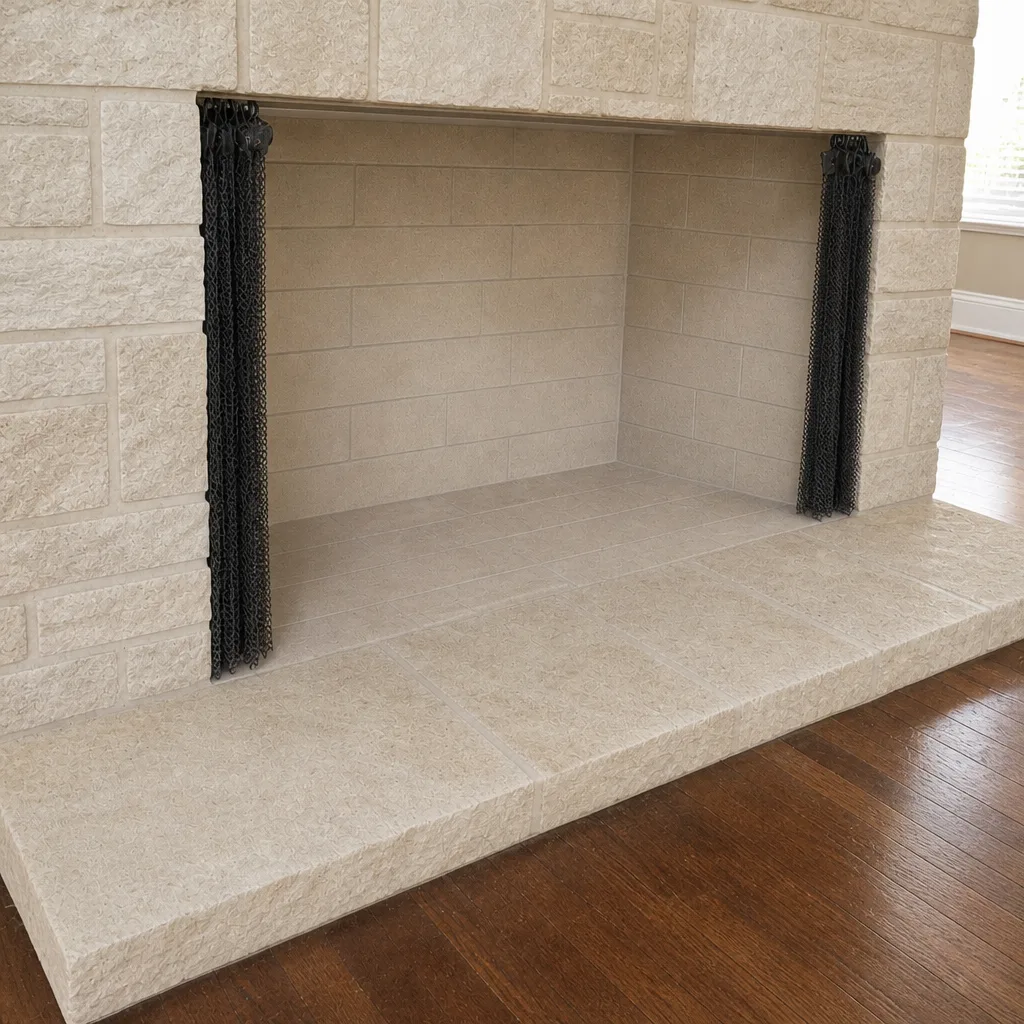
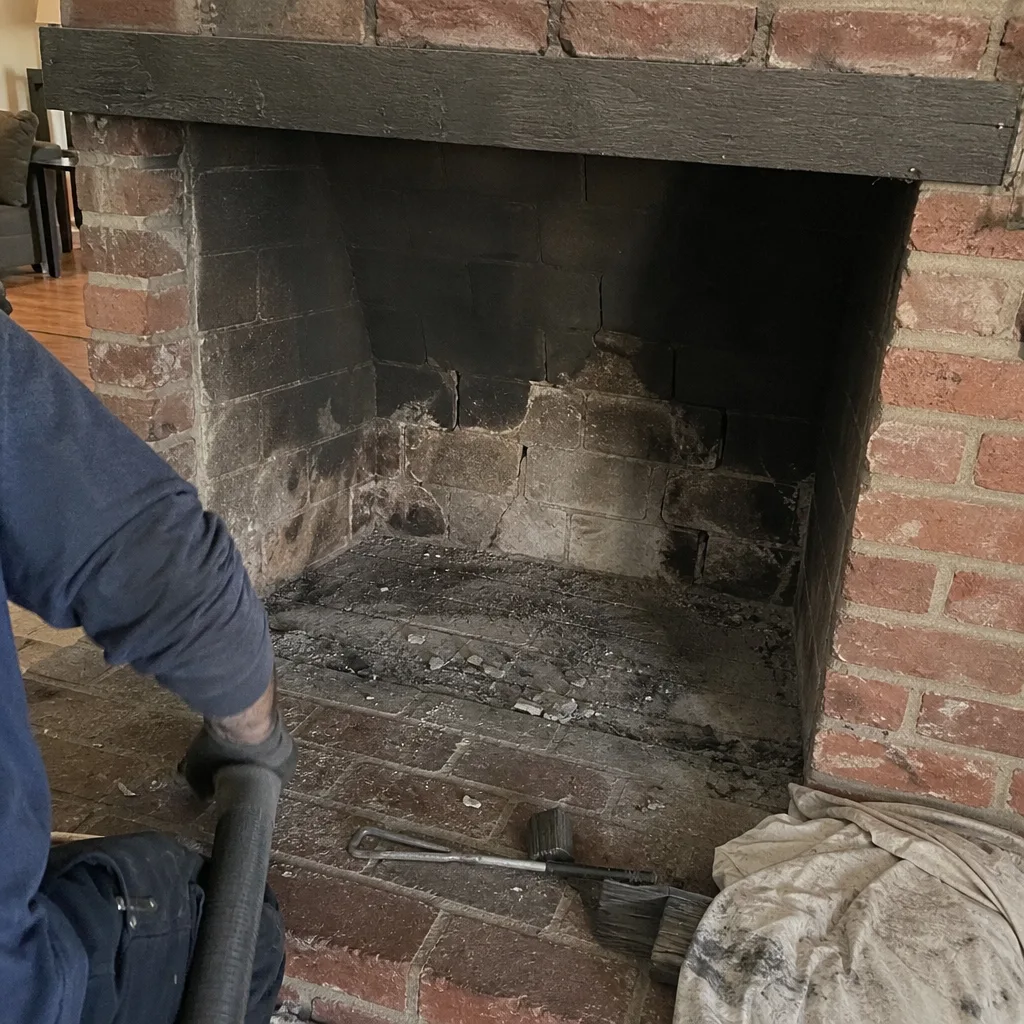
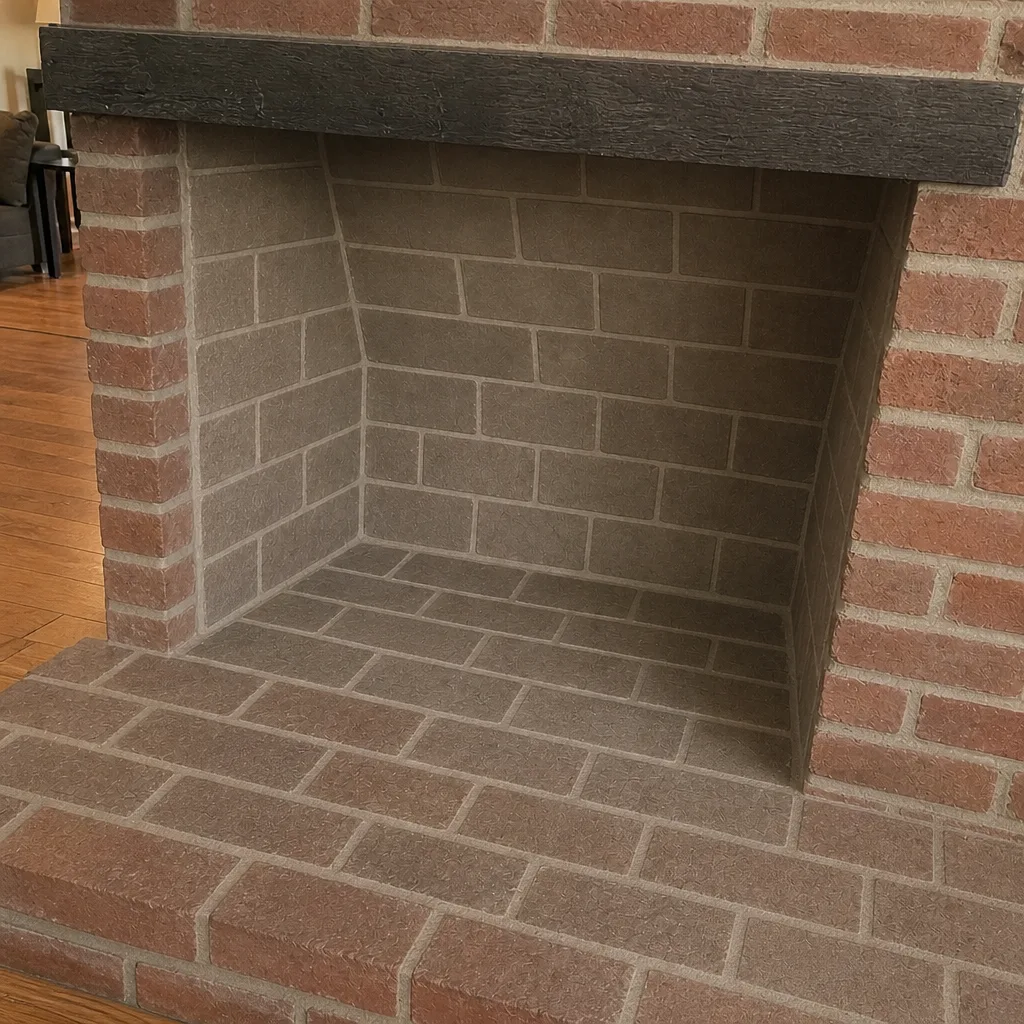
See the difference
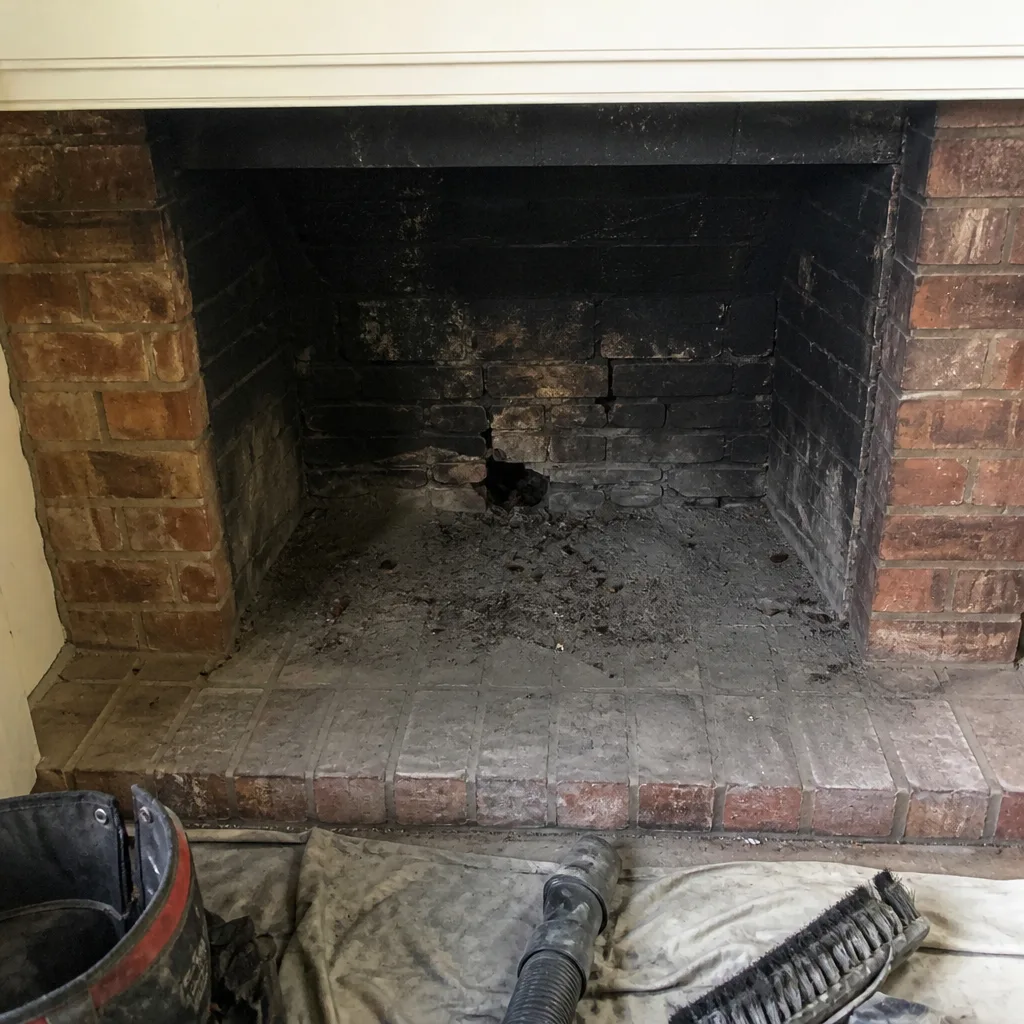 Before
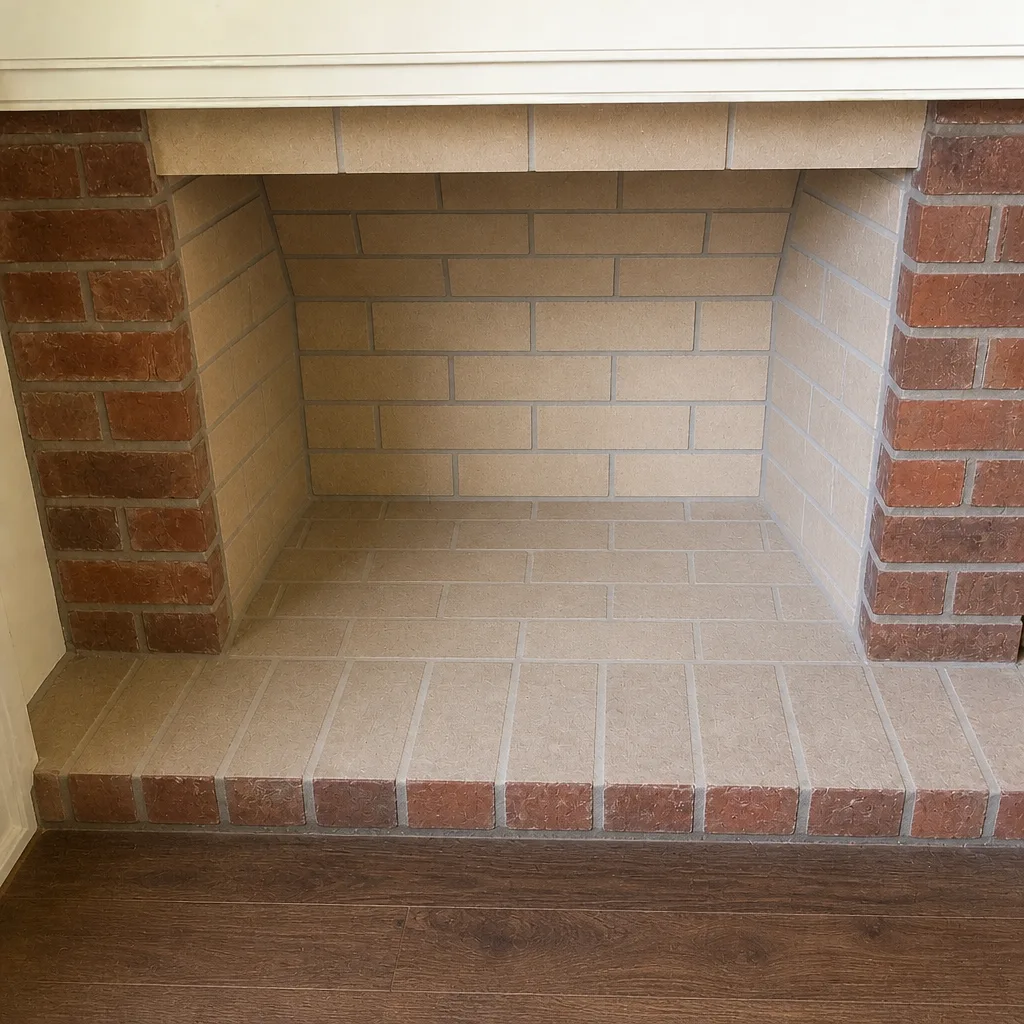 After
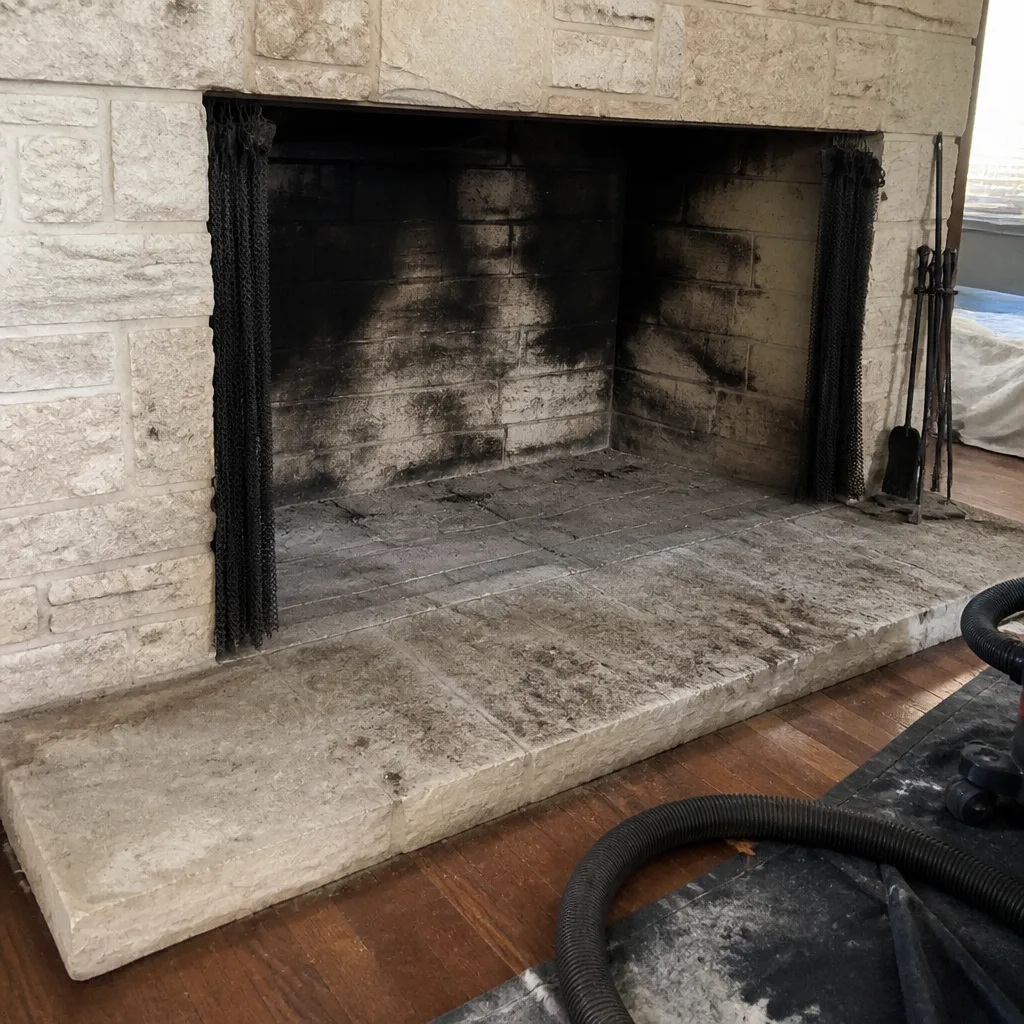 Before
 After
 Before
 After
When to Call a Professional
Some chimney issues are for a professional, and a few of them are urgent. A chimney fire, a strong creosote smell, visible smoke coming from the chimney in places it shouldn’t, or a carbon monoxide alarm near a wood or gas appliance are calls to make right away. Those are safety situations, not scheduling ones. If a chimney has been unused for years, it needs an inspection before the first fire, because a flue that’s been sitting can have a failed liner or a blocked flue. Structural signs count too: crumbling mortar, a cracked crown, water stains on the ceiling near the chimney, or a cap that’s rusted through.
This is why we lead with the inspection: you can’t diagnose a chimney from the ground, and it doesn’t matter whether it’s the flue, the liner, or the crown, the answer comes from the camera report. Buena Park Chimney Sweep Pros offers free estimates in Buena Park; Buena Park Chimney Sweep Pros covers the full scope of chimney and fireplace work. Call (877) 792-7250. We answer 24/7. Fast dispatch from 7am to 7pm, Sunday through Friday.
If you just want to know whether you need a permit for a specific job, the answer starts with what’s actually wrong. We’ll tell you what we find and whether it can safely wait.
Frequently Asked Questions
No. Routine chimney sweeping and visual inspection are maintenance and don’t require a permit from the City of Buena Park. Permits apply when the work changes the chimney’s construction, such as relining, crown replacement, or structural repair. Call (877) 792-7250 for an exact quote on a cleaning or inspection; estimates are free.
A standard sweep typically runs in the low-to-mid hundreds of dollars, and a Level 2 inspection with camera and photo report costs more because it covers more ground. The written estimate sets the final price, and we don’t add charges after the fact. Call (877) 792-7250 – estimates are free, and you’ll know what the work involves before anything is booked.
A new liner is justified when the camera inspection shows cracks, gaps, or a lining that doesn’t meet code for the appliance, and not before. We show you the footage and the photos so you can see the condition yourself, and we’ll say plainly when a repair can wait. If restoration with HeatShield is the right fit, we’ll tell you that instead. Call (877) 792-7250 for an exact quote; estimates are free.
Chimneys serving wood appliances are generally swept annually, and more often if they see heavy use or if creosote builds quickly. Gas appliance chimneys need annual inspection even though they produce little soot. Call (877) 792-7250 to schedule a sweep and inspection before the cool season begins; estimates are free.
The work doesn’t automatically need to be torn out. You start with a camera inspection and a written report to establish what’s actually installed and whether it’s safe, then correct what doesn’t meet Chapter 10 and document the correction. The Building & Safety division can tell you how the city handles work already completed. Call (877) 792-7250 to get the inspection done; estimates are free.
Two risks sit behind a skipped inspection, and they’re specific. Creosote buildup in a wood chimney can ignite in a chimney fire, and a cracked liner or blocked flue from a wood or gas appliance can allow carbon monoxide into the home. Water through a failed crown or cap also does slow damage to the masonry over years. None of that is a reason to panic, but it is the reason a neglected chimney gets looked at before the first fire of the season. Call (877) 792-7250 for an exact quote; estimates are free.
The Bottom Line
Chimney sweeping in Buena Park doesn’t need a permit. Structural repair and relining that alter the chimney’s construction usually do, and that work falls under Chapter 10 of the California Residential Code and the Building & Safety division’s inspection process. The thing most homeowners underestimate is documentation: an insurer or a buyer may ask for proof the work was permitted and inspected, and that file is much easier to build before the work is done than after. If you’ve inherited unpermitted work, a camera inspection tells you whether it’s fine or needs correcting. Either way, the answer starts with looking.
We’re set up to do the looking and then the repair under one roof, which is why we install DuraFlex liner systems, use HeatShield resurfacing where it qualifies, and work with Gelco and Olympia Chimney components that hold up at inspection. If you have a specific permit question, we’ll help you get it to the right department, and if the fix is something we handle, you’ll get a written estimate that sets the price. Call (877) 792-7250. We answer 24/7. Fast dispatch from 7am to 7pm, Sunday through Friday.
Written by the team at Buena Park Chimney Sweep Pros.