
Last updated November 25, 2026
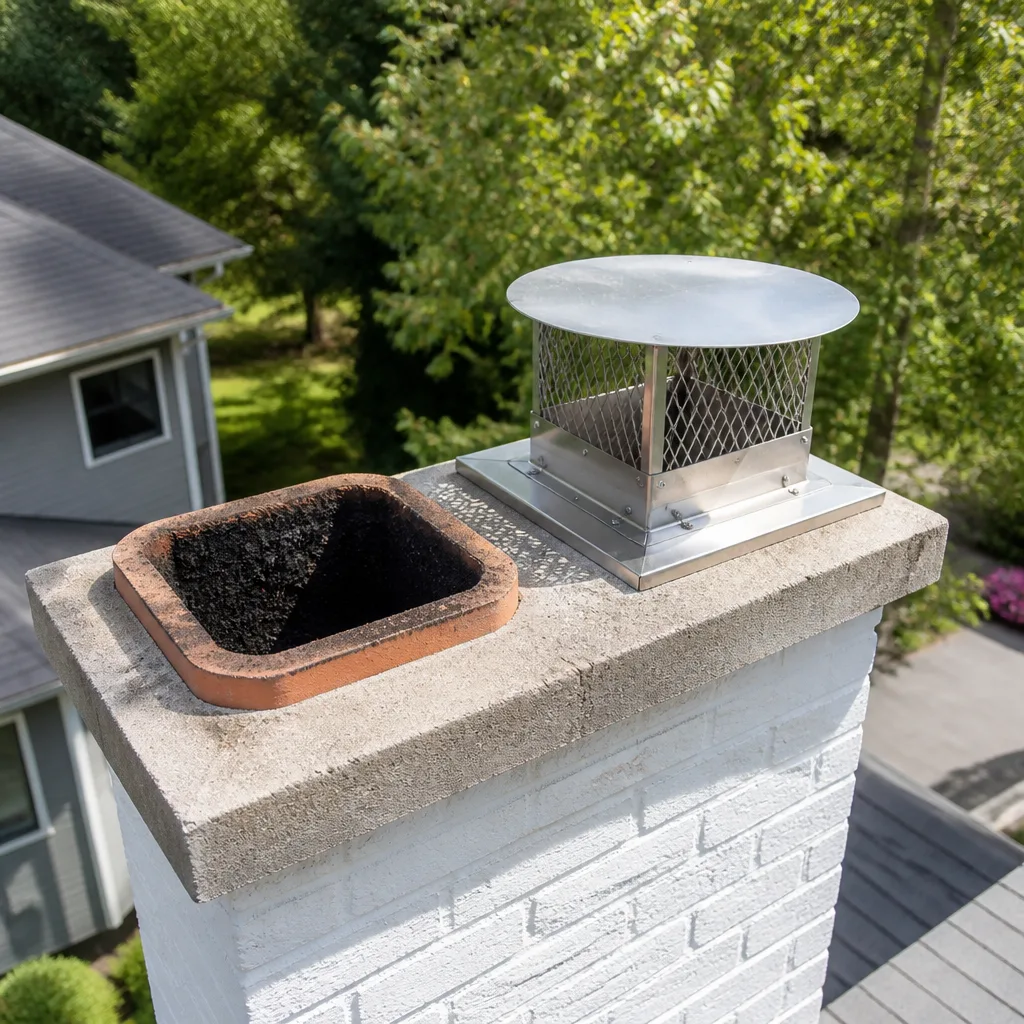 Sweep & inspection
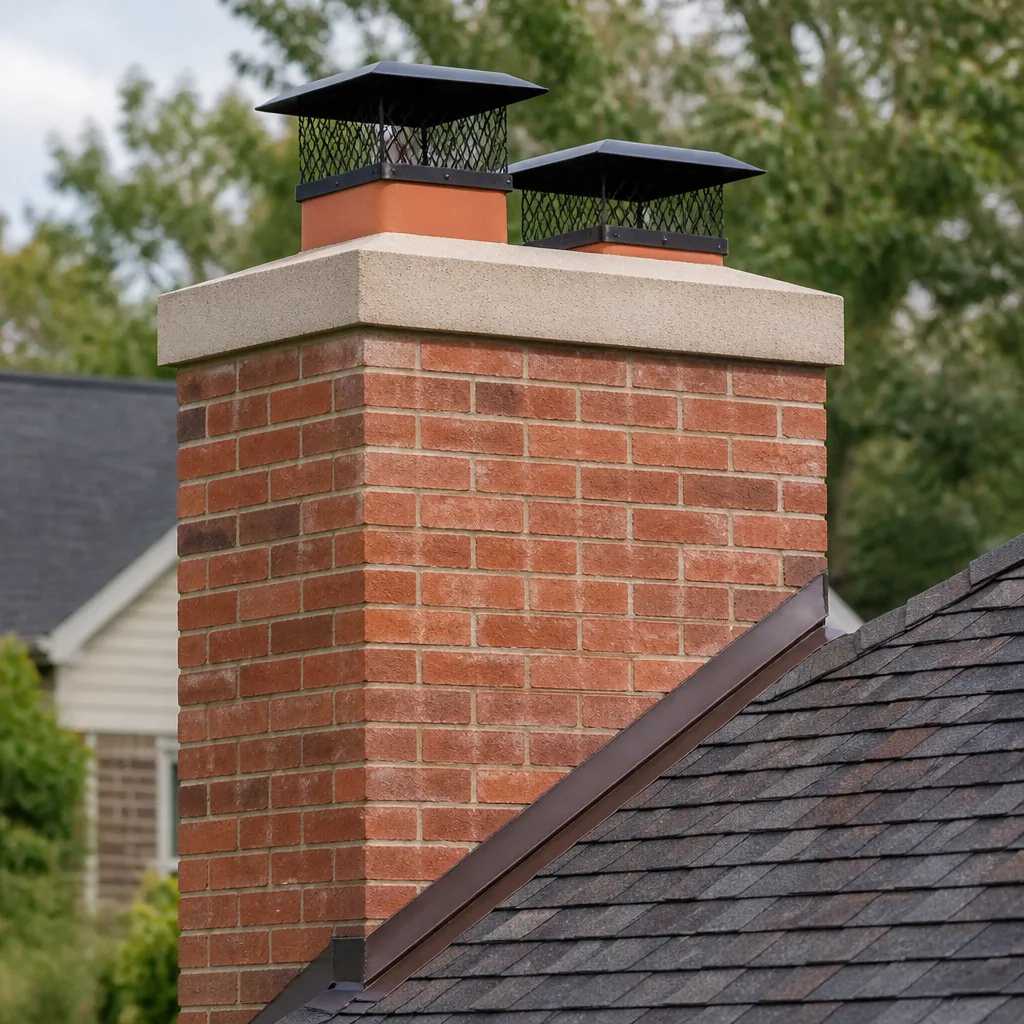 Caps & crowns
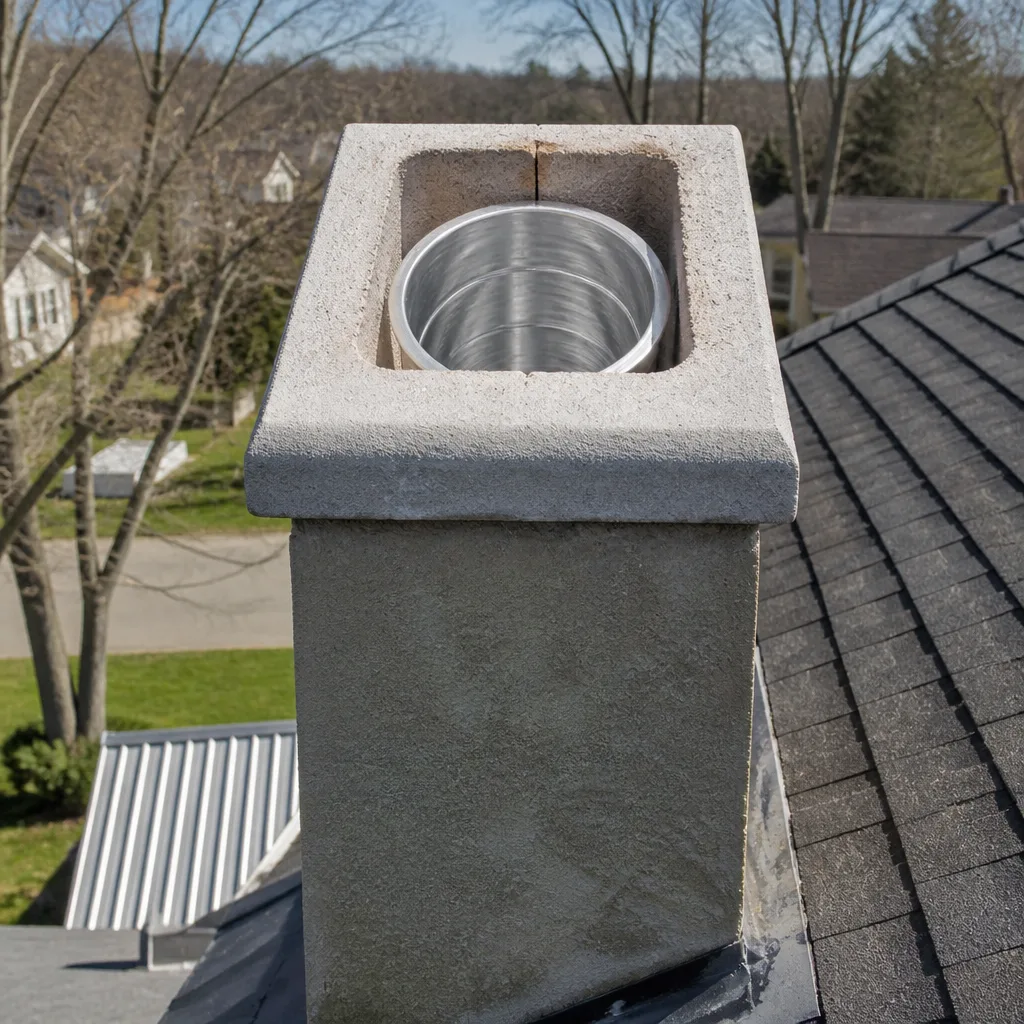 Flue relining
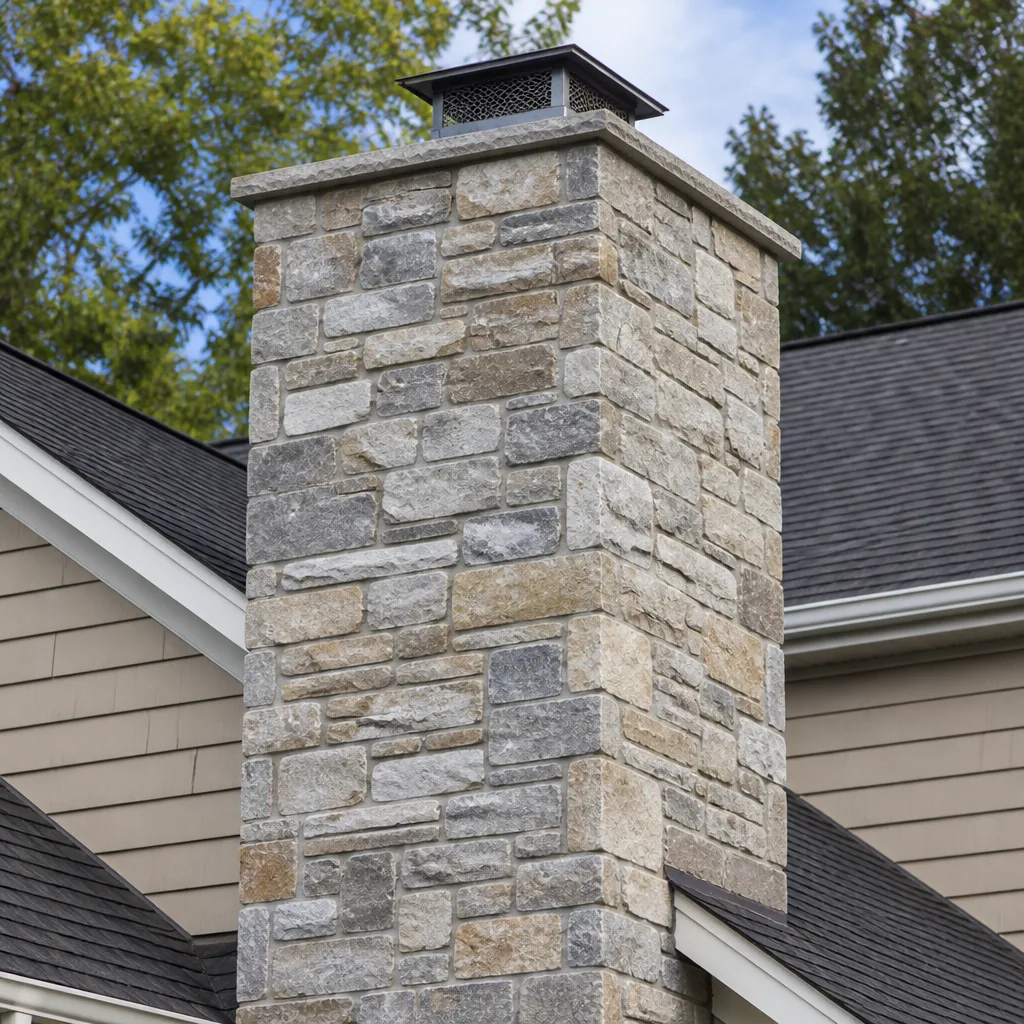 Masonry repair
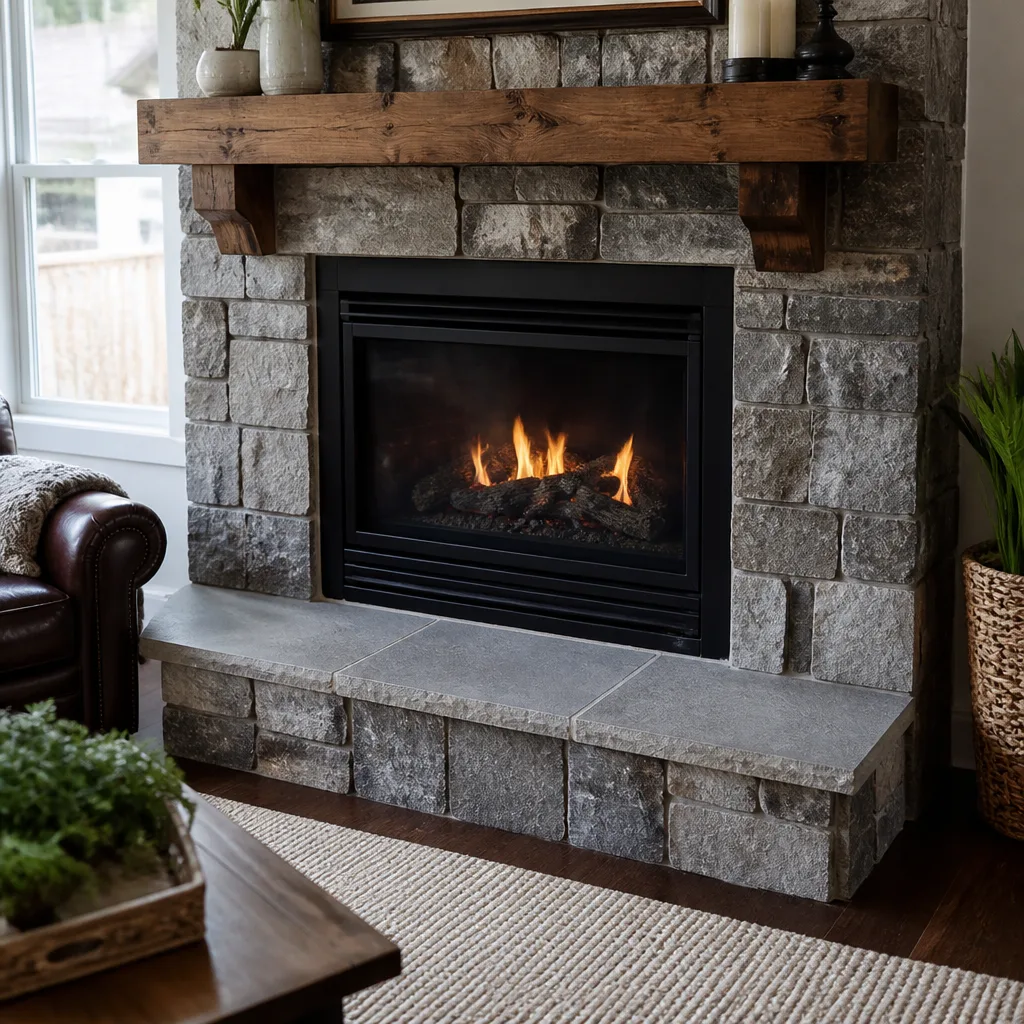 Gas fireplace service
Level 1 sweep and inspection to the NFPA 211 annual standard - flue, crown, cap, and flashing checked and photographed
Chimney sweep logs do not sweep chimneys. They loosen some creosote - which then falls where a brush and vacuum still have to collect it.
Chimney Cleaning Warning Signs: A Buena Park Homeowner’s Reference Guide
A white stain on your chimney’s exterior isn’t a cosmetic issue – it’s your masonry telling you water is already moving through it. Most chimney warning signs get waved off because they sound vague: an odd smell, a little smoke in the room, a chalky patch on the brick. But each of those symptoms maps to a specific, diagnosable cause, and the fix depends entirely on which one you’re looking at. A rusty damper and a sulfur smell come from completely different problems, and one of them is a call-your-gas-company-right-now situation while the other can wait for a scheduled visit. This guide translates the symptoms Buena Park homeowners actually see into plain causes, ranks each one by real urgency, and shows you what to check before you call anyone.
Quick Answer
The main chimney cleaning warning signs are a strong campfire or tar smell that lingers after use, smoke rolling back into the room instead of going up, a dark glaze on the flue walls, white staining or crumbling brick on the exterior, rust streaks on the firebox or damper, and any debris or animal noise coming from the chimney. Creosote buildup is the most common cause behind the smell and smoke signs and the one most tied to chimney fire risk. Signs of structural damage, like spalling brick or a cracked crown, call for a professional inspection rather than a cleaning alone.
Styles & brands we work with
- Sweep & inspection
- Caps & crowns
- Flue relining
- Masonry repair
- Gas fireplace service
Table of Contents
- Visual Symptom Dictionary: What Each Sign Actually Means
- Interior Signs That Are Easy to Dismiss
- Smell Diagnostics: Campfire, Musty, or Sulfur?
- Which Signs Mean “Schedule Soon” vs. “Don’t Light It Tonight”
- How Earthquake Activity Can Crack a Flue You Can’t See
- Smoke Problems Tied to Southern California Roof Profiles
- What to Watch For in a Gas Fireplace
- Timing Your Cleaning Around Buena Park’s Fire Season
Visual Symptom Dictionary: What Each Sign Actually Means
Chimney symptoms get lumped together as “wear and tear,” but the exterior of a chimney is a fairly honest diagnostic tool once you know what each mark represents. Here’s how to read the four most common visual signs on a Buena Park home.
- Efflorescence (the white, chalky staining): This is mineral salt pushed to the surface by moisture moving through the masonry. It’s the clearest early sign that water is getting into the brick or mortar. Left alone, efflorescence is the first stage of a longer water-damage chain.
- Spalling: When the face of the brick flakes, peels, or pops off, the masonry has been saturated and stressed by repeated wetting and drying. Spalling means the damage is no longer early. The brick is failing, and it can eventually compromise the structure.
- Smoke staining: Brown or black streaks running down the exterior face or around the top indicate that smoke isn’t venting cleanly. It points to a drafting or flue-sizing problem, not just a dirty chimney.
- Rust streaks: Orange-brown staining on the firebox, damper, or flue chase usually means water is entering the system and corroding the metal components. A rusty damper that won’t open smoothly is often a moisture problem wearing a metal costume.
What connects all four is water. In a mild-winter climate like Buena Park’s, water intrusion is the slow, quiet cause behind most chimney deterioration we diagnose. That’s why the cap and crown matter so much – a properly fitted cap and a sound crown are what keep the entire system dry. We offer chimney cap and crown installation as a standalone preventive service, which is deliberate. Sealing the top of the chimney is one of the highest-value things a homeowner can do, and it shouldn’t just be an upsell bolted onto a cleaning.
Interior Signs That Are Easy to Dismiss
Exterior staining is obvious. Interior warning signs hide in plain sight – a little smoke that rolls out when you first light the fire, a draft that feels weak, a fire that’s slow to catch. The trick is knowing when a minor annoyance is actually a venting failure. Here are the interior signs that deserve attention:
- Smoke puffing into the room on startup. A brief puff when the flue is cold is normal. Smoke that keeps spilling into the room for minutes is a draft problem and a warning sign.
- A cold, reverse draft on first light. If air pushes down the chimney before the fire warms it, you have a cold-flue or pressure problem. Sometimes it’s house pressure; sometimes it’s a flue obstruction.
- Creosote glaze on the flue walls. You can’t see it without a camera, but if you ever glance up the flue and see a shiny, black, tar-like coating, that is glazed creosote – the most flammable stage of creosote buildup.
- A damper that won’t open fully. A sticky or stuck damper restricts airflow and makes drafting worse. Rust and debris are common culprits.
- Soot or dark staining on the fireplace face. This points to poor drafting and is often paired with the smoke-staining sign on the exterior.
- Debris, a broken flue tile, or animal noise. Anything inside the flue that shouldn’t be there – bird nests, fallen tiles, leaves – restricts flow and needs removal before use.
One thing to be clear about up front: some of these signs mean your chimney needs a professional cleaning or inspection before you use it again, and a few mean it’s best to leave the fire unlit tonight. The important distinction is that you, as a homeowner, shouldn’t be climbing onto the roof or reaching up the flue to investigate a suspected obstruction or creosote glaze. The flue is a confined, dirty, often hot-and-sooty space. Diagnosing it properly and safely is exactly what a professional inspection is for.
Smell Diagnostics: Campfire, Musty, or Sulfur?
A smell in the chimney is a symptom with three very different causes, and describing the smell accurately is one of the most useful things you can do before a technician arrives. The odor type narrows the diagnosis fast.
Campfire or tar smell: The classic creosote smell. If it lingers in the room after the fire has been out for hours, or gets stronger as the weather warms, creosote has built up on the flue walls. In our mild Buena Park climate, lingering creosote odor is one of the most frequent reasons homeowners call for a chimney sweep. A strong, hot, tar-like smell when the chimney hasn’t been used is a sign worth taking seriously.
Musty smell: Moisture or animals. A damp, earthy odor points to water getting into the system, or to a nest or animal activity in the flue. Combined with efflorescence or rust streaks on the exterior, the musty smell confirms a moisture issue. Combined with scratching sounds, it points to a critter. Either way, a cap and crown check is part of the answer.
Sulfur smell (rotten eggs): This is the one that changes the plan. A sulfur odor is a gas-related sign. Whether it’s coming from a gas fireplace or a gas log set, a rotten-egg smell is a safety signal, not a cleaning signal. Turn the appliance off, don’t light anything nearby, and contact your gas utility. Don’t wait for a chimney appointment to address a gas smell.
Getting the smell diagnosis right saves money and time. A creosote smell can be handled on a scheduled sweep. A musty smell usually means we’re looking at water intrusion and a cap or crown fix alongside the cleaning. And a sulfur smell is a gas company call before anything else.
Which Signs Mean “Schedule Soon” vs. “Don’t Light It Tonight”
This is the question homeowners really want answered: how urgent is this? Let’s sort the signs into three tiers so you know how to act.
| Tier | Warning Signs | What to Do |
|---|---|---|
| Watch & Schedule | Light efflorescence, minor soot staining, occasional startup puff, a damping damper | Book an inspection or sweep on your normal schedule |
| Schedule Soon | Spalling brick, rusty damper, lingering creosote smell, musty odor, exterior rust streaks, visible flue cracks | Get it inspected before using the fireplace again this season |
| Don’t Use It Tonight | Sulfur/gas smell, heavy smoke backdraft, glazed creosote, a crack through a flue tile, debris blocking the flue, a chimney that’s pulling away from the house | Stop using the fireplace and call for inspection before the next fire |
The reasoning behind the top tier is fire risk. Glazed creosote burns hot enough to crack a flue, and a cracked flue lets combustion gases into the home. The signs of a genuine chimney fire – a loud roaring sound, a hot smell, smoke coming from the chimney – mean you should evacuate and call the fire department, not a cleaning appointment. A blocked flue is the other upper-tier danger, because a blocked flue can’t vent carbon monoxide out of the house. That’s why a suspected obstruction belongs in the don’t-light-it category.
When we inspect, we start with understanding before acting. The job begins with a camera inspection and photo report, and nothing gets recommended without visible evidence of what’s actually inside your flue. Our technicians have up to 14 years of experience reading exactly these symptoms, and we can show you the screen so you see what we see. That matters when someone tells you a liner repair is needed. We want the evidence in front of you, not in a sales pitch.
How Earthquake Activity Can Crack a Flue You Can’t See
Southern California’s seismic activity is part of living here, and older masonry chimneys are one of the more vulnerable parts of a house. Even shaking you barely notice can crack the clay flue tile lining inside a chimney without any visible damage on the outside. The exterior of the chimney can look intact while the flue tile behind it has a hairline crack that lets combustion gases and carbon monoxide leak into wall cavities or attic space.
That’s the invisible problem. A cracked flue tile is one of the most consequential signs in this guide because you can’t diagnose it from the ground or even from the roof. It requires looking down and through the flue with a camera. This is why an annual inspection matters more in Buena Park than the “sweep once a year” advice suggests – the inspection is doing double duty, catching creosote and structural issues on the same visit.
If you notice any of these after a tremor, treat them as a reason to get an inspection:
- New cracks in the masonry or mortar joints on the chimney exterior
- A chimney that looks tilted or is pulling away from the roofline
- A broken or missing chimney cap
- A piece of flue tile on the roof or in the firebox
- A general sense that something shifted, even without visible damage
An inspection that includes a camera look at the flue is what catches these. When we’re on site, a proper diagnostic visit looks at the full picture, and if a cracked or failing flue needs more than a cleaning, the repair side of our work steps in. Our chimney repair service covers flue relining and structural fixes. For qualifying chimneys where the flue needs restoration rather than full replacement, we use HeatShield, a ceramic flue-resurfacing system that can extend the life of the chimney without the cost of a full reline. For older or non-standard flue configurations where a rigid liner won’t fit, we install DuraFlex flexible liner systems. The right material for your specific flue is the whole point – there’s no single fix for every chimney.
Smoke Problems Tied to Southern California Roof Profiles
Smoke backdrafting – smoke rolling back into the room instead of up and out – is often blamed on the chimney when the real cause is the house and roof around it. Buena Park’s residential construction includes plenty of low-slope rooflines and compact lots, and those features create pressure and airflow patterns that affect drafting.
Here’s how it works in practice. A chimney drafts because warm exhaust rises up the flue. If the chimney is short or the surrounding roofline and neighboring structures disrupt airflow at the top, the flue can’t establish the pressure difference it needs. A low-slope roof can put the chimney termination close to the roof surface, making the top of the flue especially sensitive to wind and pressure. In a neighborhood with trees, adjacent second stories, and tightly spaced homes, the local microclimate at your chimney top is a real variable.
Common causes of backdrafting and smoke spillage we look at:
- Cold flue: The flue is cold and the house is under negative pressure. A pre-warming check confirms whether it’s pressure or obstruction.
- Negative house pressure: Bathroom fans, kitchen exhaust, and a tightly sealed house can pull air down the chimney.
- Roofline interference: The nearby roof plane, trees, or an adjacent structure disrupts draft at the chimney top.
- Flue obstruction or size mismatch: A blocked or oversized flue makes establishing draft harder.
Because backdrafting symptoms look identical whether the cause is a cold flue, house pressure, or a blocked flue, the same inspection-first logic applies. A smoke test and camera look filter out the causes quickly. And a properly fitted cap, which we install as a standalone preventive service, can help stabilize draft at the top while keeping weather, animals, and debris out of the flue.
What to Watch For in a Gas Fireplace
Gas fireplaces and gas log sets get the least attention of any chimney system because they don’t produce the smoke and soot people associate with cleaning. That’s a misconception. The venting still needs inspection, and the signs to watch for are different from a wood fireplace.
- Any sulfur or rotten-egg smell: Stop and contact your gas utility. This is a gas safety issue, not a chimney issue, until resolved.
- Soot on the logs or the firebox glass: Soot on a gas appliance signals incomplete combustion or a venting problem, not just a dirty surface.
- Condensation or a musty smell: Gas appliances produce moisture as a byproduct, and a venting issue can let that moisture back into the house.
- A weak or yellow flame where it used to be blue: A change in flame appearance points to combustion, not cleaning, and needs professional attention.
- Rust on the firebox or vent: Moisture is entering. Check the cap and crown.
For gas fireplace problems that turn out to be about the firebox, gas logs, damper, or the surrounding structure, our fireplace repair service handles the fireplace component. Just to be clear about the scope: gas-utility issues go to your utility first, and once the gas side is cleared, the fireplace and venting side is where we come in. Whatever the source of the symptom – wood or gas – the correct first step is a specialist looking at the whole system.
Timing Your Cleaning Around Buena Park’s Fire Season
Because Buena Park winters are mild, the fireplace season here is shorter and more sporadic than in colder parts of the country, but the fire-risk season is a bookend. The dry, flammable brush season that stretches across inland Southern California and the cool evenings that follow are the practical window to think about a sweep. The goal is simple: clean out the creosote that accumulated over last season before the first cool evening when you want a fire.
Here’s the annual pattern that keeps a chimney sound:
- Before the first fire of the season: Book an inspection and, if needed, a chimney sweep. This catches buildup from last year and any damage from summer weather.
- During the season: Watch the warning signs in this guide. Any sign in the don’t-light-it column means inspection before the next fire.
- After the season: Inspect the exterior for efflorescence, spalling, and rust, and confirm the cap and crown are sound.
- After any strong tremor: Add an inspection, even if nothing looks wrong from the ground.
The flat-price sweep is agreed before booking, so you know the cost of the cleaning up front. If we open up the flue and find the repair side needs attention, you’re getting a written estimate before any repair work begins.
If you’d like a plain overview of how sweeps and inspections work in Buena Park, the Buena Park Chimney Sweep Pros home page lays out the full service range – inspection, cleaning, caps and crowns, fireplace repair, and structural chimney repair – in one place. One company for the whole scope means you’re not coordinating a sweep from one contractor and a cap installation from another. The whole system gets diagnosed and fixed by the same set of hands.
Common Mistakes to Avoid
- Burning unseasoned or “green” wood. Wet wood produces more creosote and more smoke. In a mild climate where the furnace isn’t already working the house, the fire does extra duty, and creosote builds faster. Season your wood before you burn it.
- Assuming “no smoke” means “no problem.” A clean-burning fire doesn’t rule out a cracked flue tile or glazed creosote. Only an inspection with a camera can confirm the flue is sound.
- Putting off a cap because the roof looks fine from the ground. A missing or damaged cap is invisible from your driveway and is the top reason water gets in. Check it during inspection.
- Treating a smell as “just the fireplace smell.” A musty or sulfur smell is a different animal and tells a completely different story. Diagnose the smell, don’t dismiss it.
- Using a general handyman for chimney liner work. Liner restoration and relining require specific materials and fit for your flue. Using a single-brand or no-brand contractor limits your options. We work with HeatShield for flue resurfacing and DuraFlex for non-standard configurations precisely because one material doesn’t fit every flue.
- Lighting a fire after a strong tremor without checking the flue. A cracked flue tile from shaking is invisible from outside. If something doesn’t feel right after a quake, get it inspected.
- Cleaning the chimney and skipping the exterior. A sweep clears the flue. Water damage on the crown, cap, and masonry is a separate issue and needs its own look.
See the difference
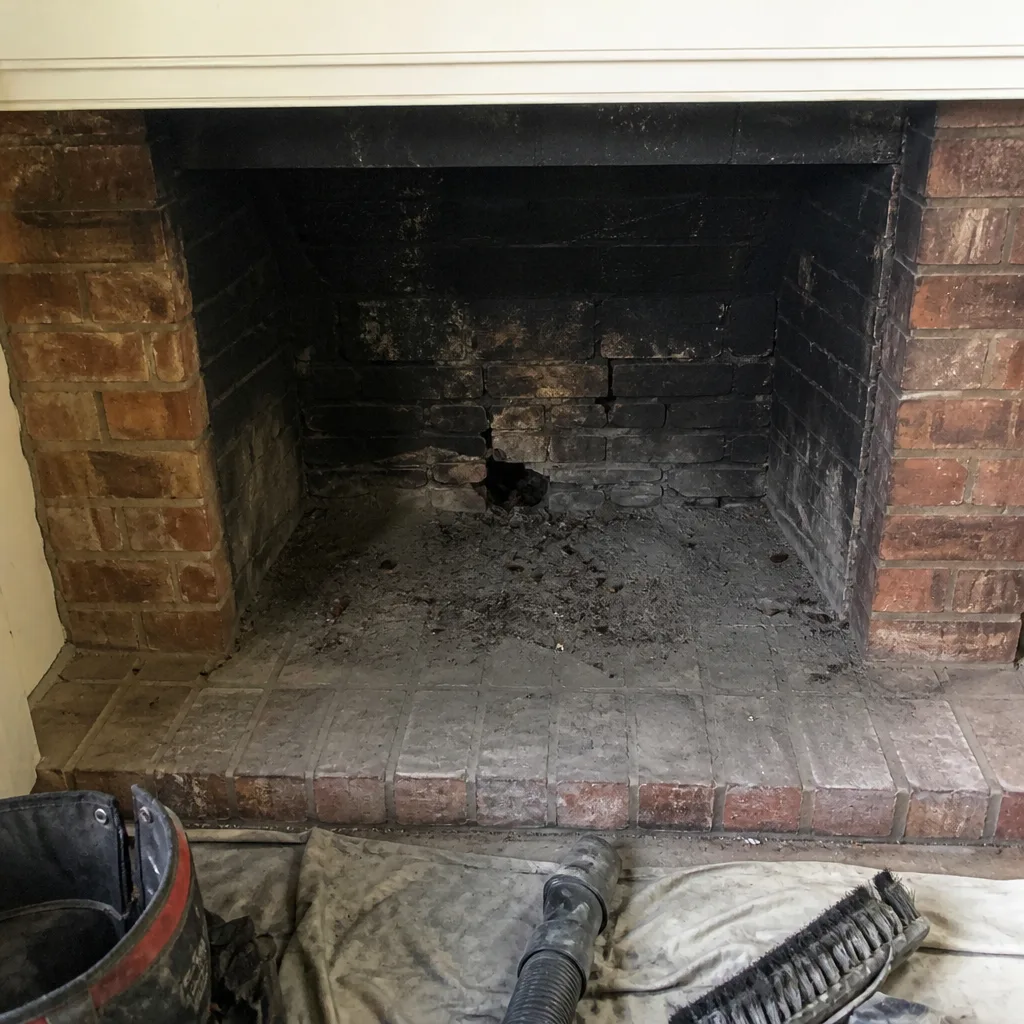 Before
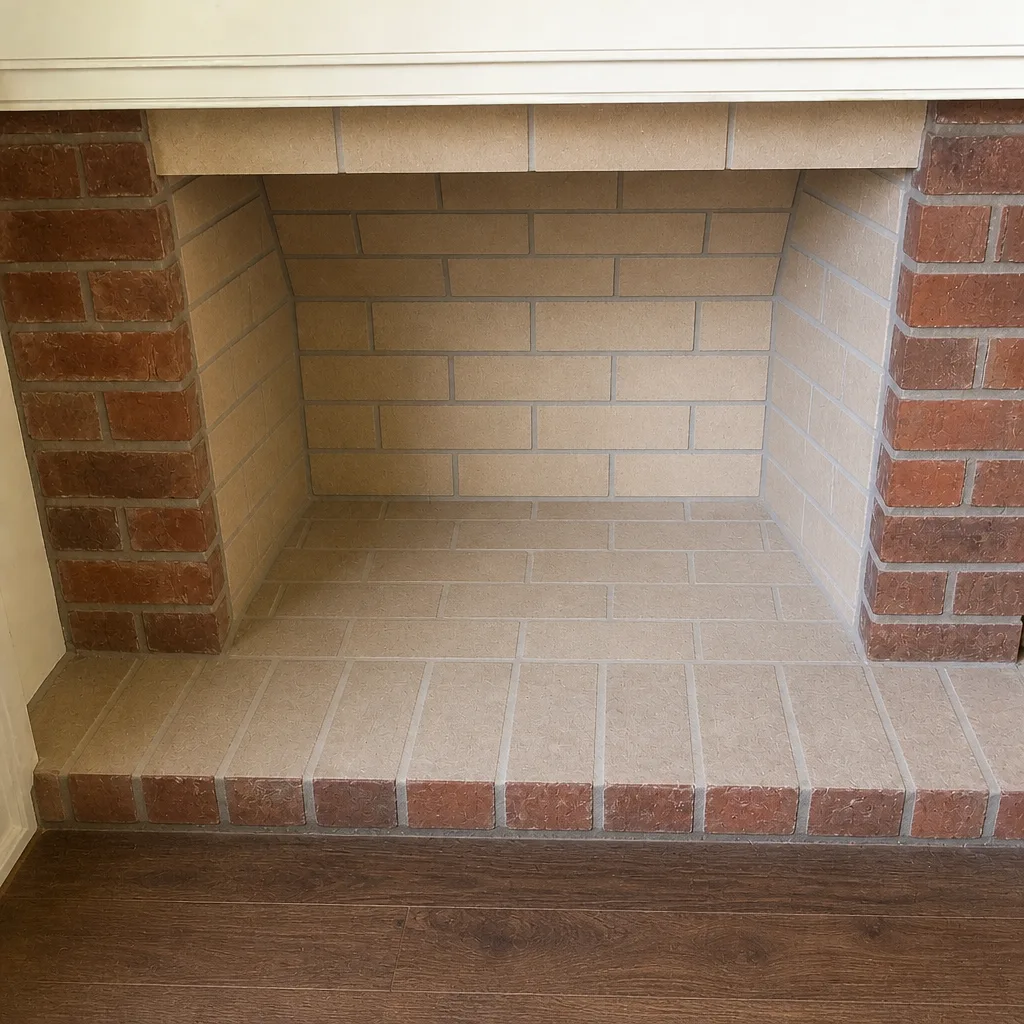 After
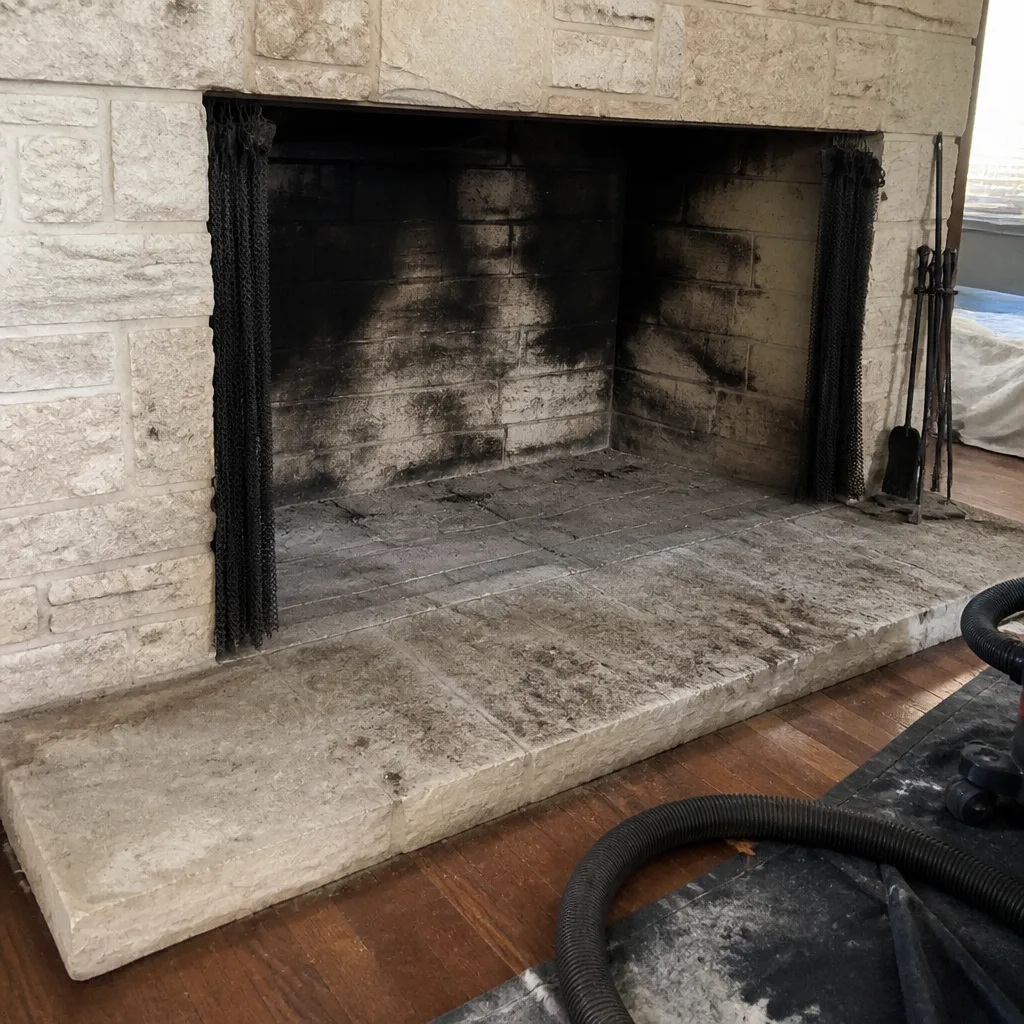 Before
 After
 Before
 After
When to Call a Professional
Call a professional in these situations: you smell creosote, musty, or a strong sulfur odor and can’t explain it; smoke rolls into the room and won’t clear; you notice spalling brick, efflorescence, rust streaks, or a chimney that’s pulling away; a flue tile breaks or appears in the firebox; the flue looks glazed; you’ve had a tremor and haven’t inspected since; or it’s been a season since your last sweep. Some of these mean schedule a cleaning, and some mean don’t light a fire until you’ve had an inspection. When there’s any doubt, the professional call is the right one. Buena Park Chimney Sweep Pros offers free estimates in Buena Park – call (877) 792-7250. We answer 24/7. Fast dispatch from 7am to 7pm, Sunday through Friday.
Frequently Asked Questions
The earliest and most reliable sign is a lingering campfire or tar smell in the room after the fire is out. Other early signs include smoke puffing into the room on startup, soot staining on the fireplace face, and a chalky white stain on the exterior that signals moisture. If you notice any of these in Buena Park, call (877) 792-7250 for an exact quote – estimates are free.
For a home that burns wood regularly, an annual inspection is a reasonable baseline, with a sweep done whenever the inspection shows enough creosote buildup. Because we have a mild winter, some homeowners burn far less and stretch the interval, and others burn wood as a main heat source and need a sweep more often. The inspection is what decides. Call (877) 792-7250 and we can talk through your situation.
A musty smell almost always means moisture or animal activity, not creosote. Water getting in through a failing cap or crown, or a nesting animal in the flue, both produce that damp, earthy smell. It’s worth an inspection and, often, a cap and crown fix. Call (877) 792-7250 for a free estimate on what needs to happen.
A routine cleaning typically falls in the few-hundred-dollar range, and any repair work is quoted separately based on what the inspection finds. We set a flat price for the sweep before booking and confirm it in writing, so there’s no surprise on the day of the visit. Call (877) 792-7250 for an exact quote on your chimney.
Nothing gets recommended without camera evidence you can see on the screen. A liner is only needed when the inspection shows an actual defect, such as a cracked flue tile from earthquake movement or advanced creosote and corrosion. If the flue is sound enough to clean and monitor, we say so. For qualifying chimneys, HeatShield resurfacing can restore the flue without the cost of a full reline. Call (877) 792-7250 and make the estimate your starting point – no repair is recommended on a guess.
Creosote keeps building up on the flue walls, and at the glazed stage it can ignite and burn hot enough to crack the flue, which opens a path for carbon monoxide into the house. Water damage on the masonry, meanwhile, accelerates quietly and can eventually affect the chimney structure. It’s the reason we inspect before it gets to that point. Call (877) 792-7250 for a free estimate.
The Bottom Line
Chimney warning signs are specific, and they tell a story if you know how to read them. White staining and spalling brick point to moisture moving through the masonry. A campfire smell points to creosote; a musty smell points to water or animals; sulfur points to a gas issue that needs your utility, not a sweep. A stuck or glazed flue needs the don’t-light-it-tonight response. And in Buena Park, earthquake activity is one more reason to inspect the flue you can’t see from outside. Start with an inspection and a camera report, protect the top with a sound cap and crown, and time the cleaning to the fire season. The health of the chimney starts with understanding before acting.
When you’re ready to get eyes on your chimney, call (877) 792-7250 for a free estimate. We answer 24/7. Fast dispatch from 7am to 7pm, Sunday through Friday.
Written by the team at Buena Park Chimney Sweep Pros.