
Last updated November 25, 2026
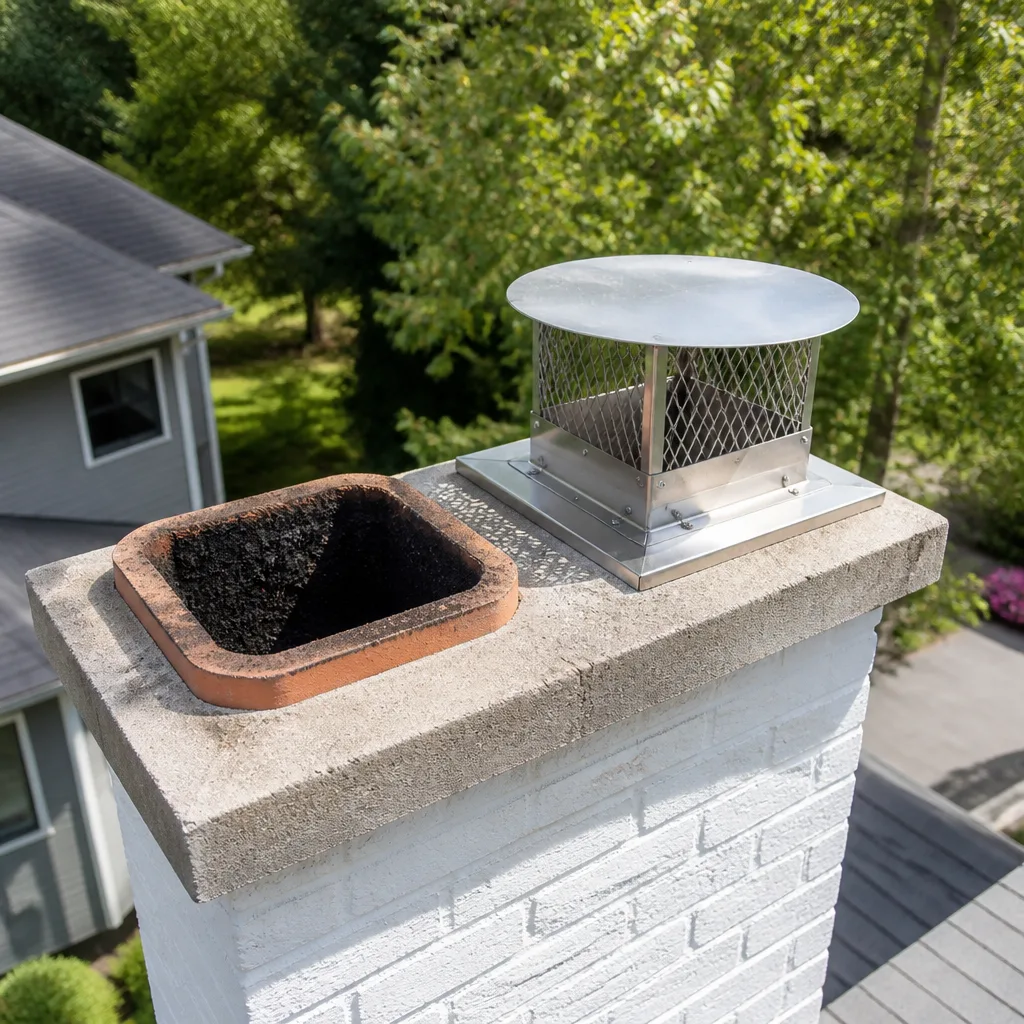 Sweep & inspection
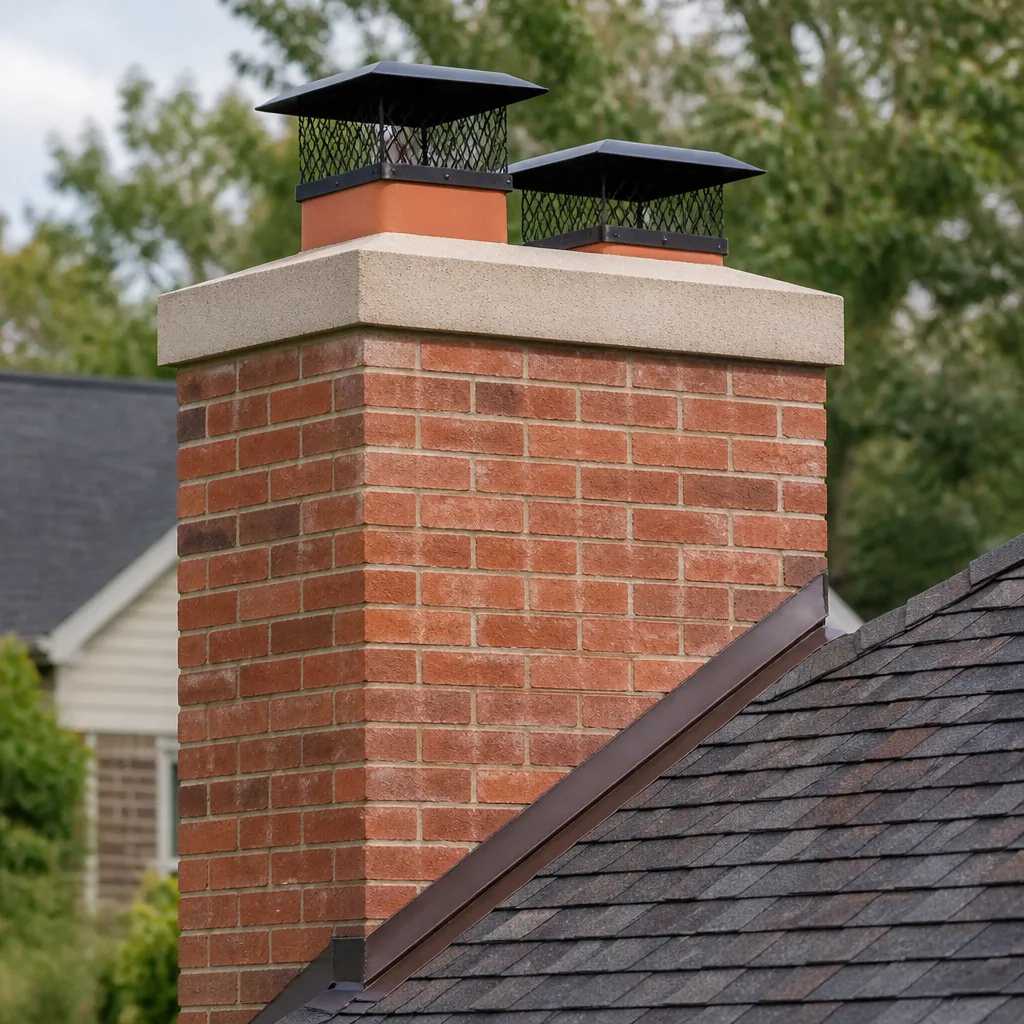 Caps & crowns
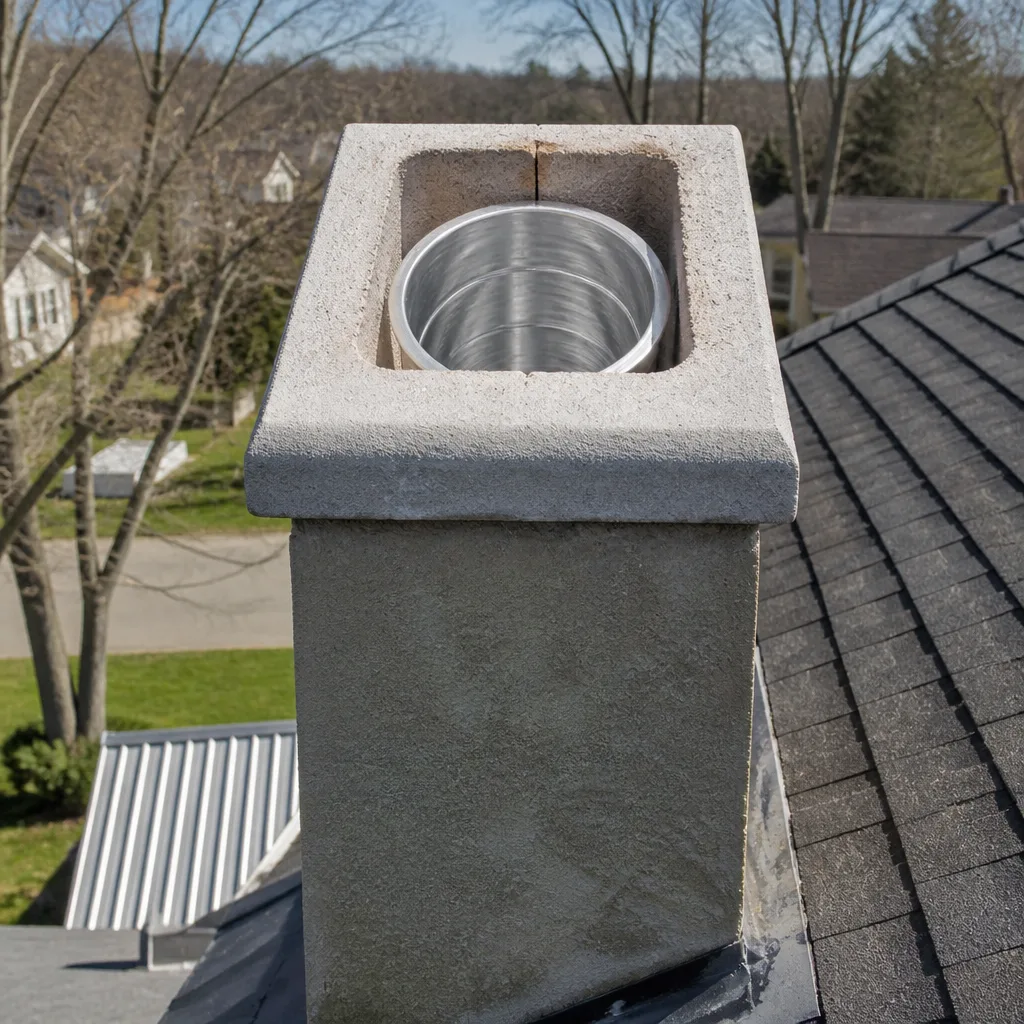 Flue relining
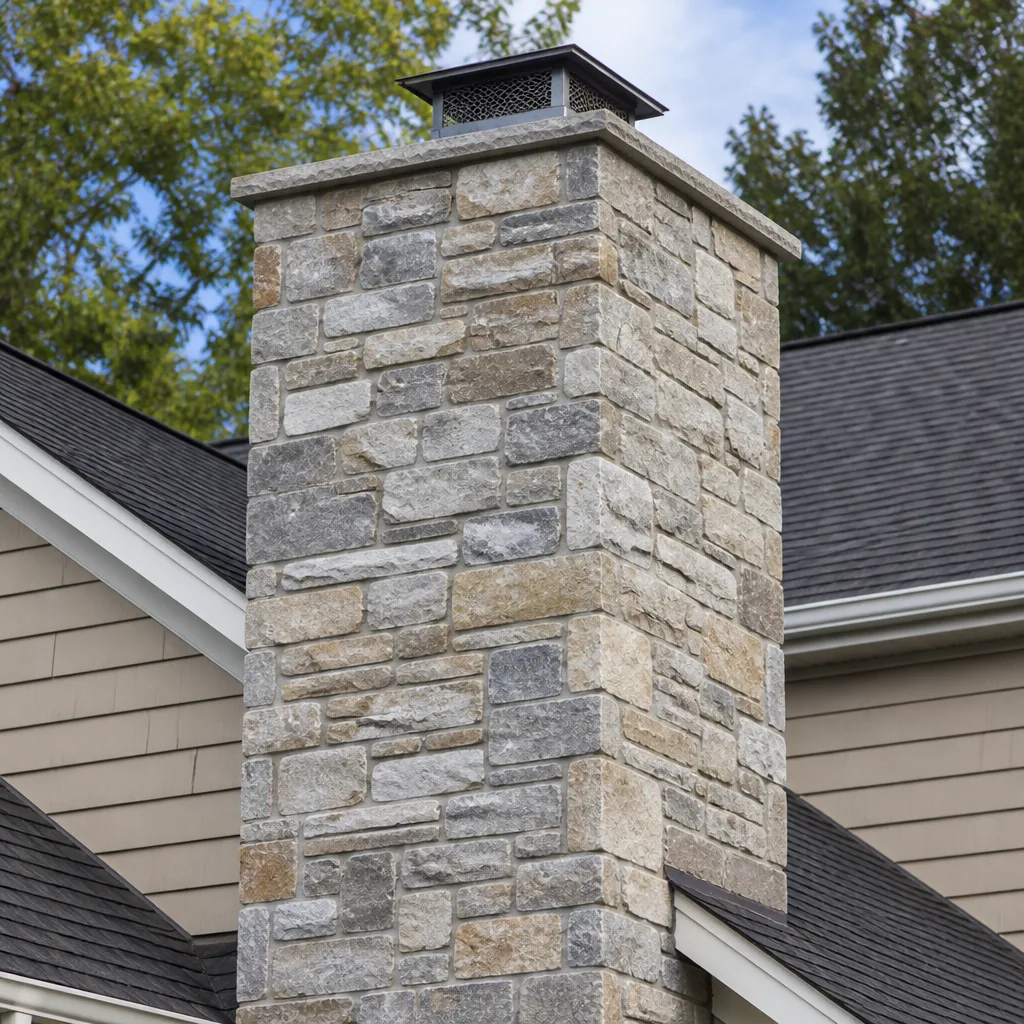 Masonry repair
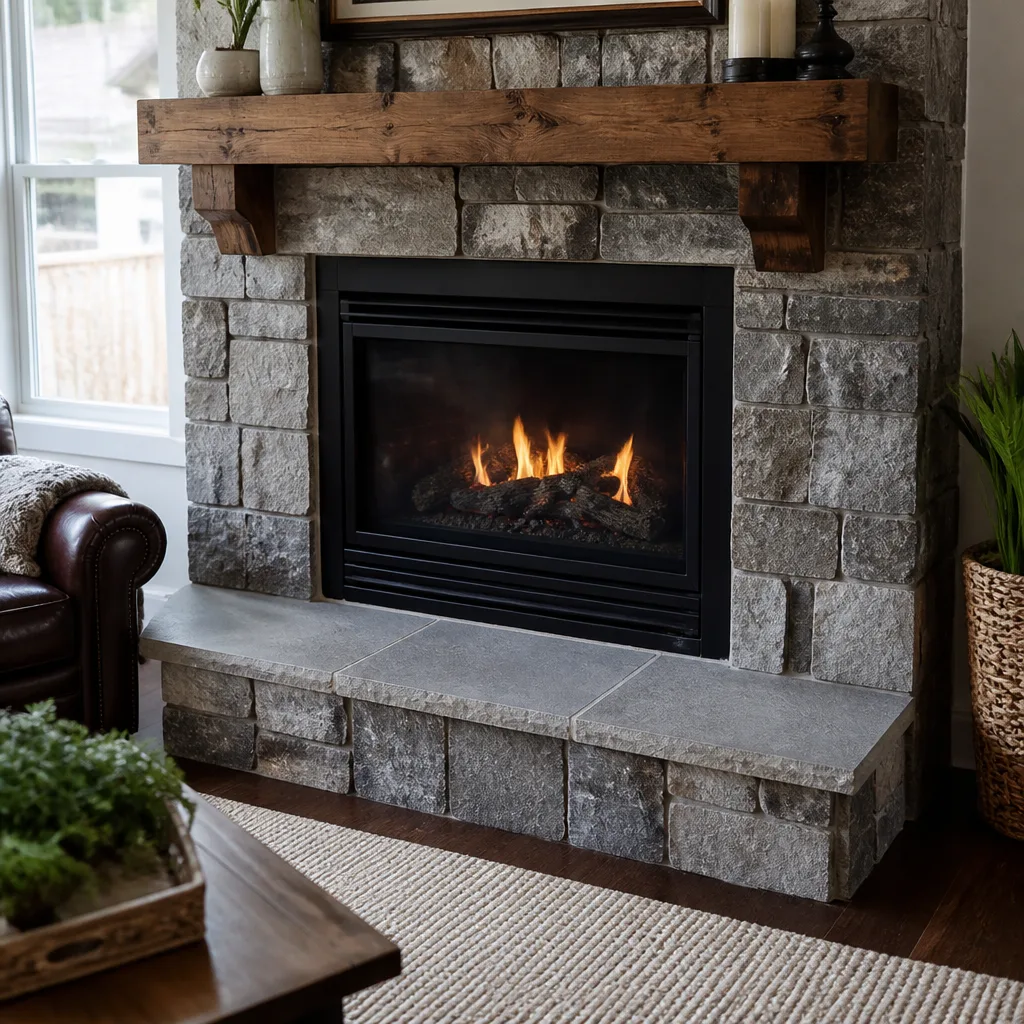 Gas fireplace service
Level 1 sweep and inspection to the NFPA 211 annual standard - flue, crown, cap, and flashing checked and photographed
Chimney sweep logs do not sweep chimneys. They loosen some creosote - which then falls where a brush and vacuum still have to collect it.
DIY vs Professional Chimney Cleaning: The Buena Park Homeowner’s Decision Guide
The chimney brush kit on the shelf at the hardware store is built for one job: knocking loose soot off the walls of an accessible flue with moderate buildup. It is not built for the thick, tar-like glazed creosote that forms when a chimney has been burning green wood or running choked for a few seasons. That gap between what the kit can do and what the chimney actually needs is where most Buena Park homeowners get into trouble. In this guide we’ll walk through the creosote stages that decide whether DIY is even reasonable, the conditions that make professional eyes mandatory no matter how clean the flue looks, and the honest math on what each path costs in Buena Park’s market. You’ll finish knowing exactly which category your chimney falls into.
Quick Answer
DIY chimney cleaning is genuinely appropriate only for an accessible, straight flue with light Stage 1 soot and a chimney you already know is structurally sound. Anything involving Stage 2 or Stage 3 creosote, a damaged liner, failing mortar joints, or a flue you’ve never had inspected belongs in the hands of a professional. For most Buena Park homes, professional cleaning is the safer and often cheaper path once you account for tools, time, and the cost of getting it wrong.
Styles & brands we work with
- Sweep & inspection
- Caps & crowns
- Flue relining
- Masonry repair
- Gas fireplace service
Table of Contents
- The Creosote Stages: What You Can Clean and What You Can’t
- What a Professional Brings That a Consumer Kit Can’t Match
- Structural Problems You Can’t See Without a Camera
- The Real Cost Math in Buena Park
- The One Place DIY Maintenance Genuinely Pays Off
- If You Do Sweep It Yourself: A Careful Checklist
- Common Mistakes to Avoid
- When to Call a Professional
The Creosote Stages: What You Can Clean and What You Can’t
Creosote is the residue left behind when wood smoke cools inside the flue. It doesn’t all look the same, and the difference between the stages is the single most important factor in deciding whether DIY is safe. The National Fire Protection Association classifies it in three stages, and knowing which one you’re looking at changes everything.
Stage 1: Flaky, Sooty Creosote
Stage 1 creosote is the dusty, flaky, grayish-black soot you see when you shine a light up an accessible flue after a season of burning dry, well-seasoned wood. It brushes off with ordinary chimney brushes and a shop vacuum with a good filter. A careful homeowner with a straight flue, a proper brush, and a ladder they trust can remove Stage 1 buildup themselves. This is the narrow window where DIY makes sense.
Stage 2: Crusty, Drippy Creosote
Stage 2 creosote forms when smoke cools more slowly and deposits as a shiny, hardened, crusty layer. It clings to the flue walls and resists a standard brush. Removing it usually requires rotary equipment or specialized solvents, and sometimes both. A homeowner attempting to force a brush through Stage 2 risks breaking the brush, damaging the liner, and pushing hardened deposits down into the smoke shelf where they can ignite. This is where DIY stops being a reasonable option.
Stage 3: Glazed Creosote
Stage 3 creosote, sometimes called glazed creosote, is the tar-like, fuel-rich coating left behind by repeated smoldering fires or burning unseasoned wood. It is the form most closely tied to chimney fires, and it will not come off with any consumer tool. Removing it professionally involves chemical treatments that soften it over days, followed by mechanical rotary removal. A homeowner trying to scrape glazed creosote off a flue by hand is at real risk of a flue fire. If you suspect Stage 3, stop and call a professional.
How to Tell the Difference
- Stage 1: Rubs off as black dust on your finger, flaky, falls away with a brush.
- Stage 2: Hard and shiny on the surface, crusty, doesn’t brush off cleanly.
- Stage 3: Looks like hardened asphalt or a melted plastic coating, very fuel-rich.
- When in doubt: Treat it as Stage 2 or worse and get it checked.
What a Professional Brings That a Consumer Kit Can’t Match
The distance between a $90 hardware store kit and a professional rig is not about brand snobbery. It’s about matching tools to the actual problem. Here’s what a full-service chimney sweep brings to a Buena Park home and why each item matters.
Rotary Sweeping Systems
Consumer kits rely on a hand-pushed brush on flexible rods. That works on soft Stage 1 soot in a straight flue. Professionals use rotary sweeping systems driven by a drill or motor that spin the brush head against the flue wall with consistent pressure. That’s what’s needed for Stage 2 crust and for flues with bends or offsets where a straight brush simply can’t make contact. Rotary systems also clean more thoroughly in a single pass, which matters because a hot fire doesn’t care that your brush “mostly” got the wall clean.
Industrial HEPA Vacuums
A shop vac with a paper filter releases fine soot particles back into the living space. Under a black light, soot that escaped a cheap vacuum is visible across furniture for weeks. Professional HEPA-rated chimney vacuums are connected directly to the brush and capture nearly all the dust at the source. That’s why a proper sweep leaves no visible dust trail and a DIY sweep has most homeowners finding black film on the mantel for days.
Camera Inspection Tools
A professional inspection runs a camera down the flue to look at the liner from the inside. You cannot replicate that from a step stool with a flashlight. The camera reveals cracked tiles, misaligned joints, gaps at the top of the flue, and the condition of the smoke chamber where soot collects. This is the single biggest reason we always inspect before we clean. Without the camera, the homeowner has no way to know whether the flue is even safe to use, let alone clean.
Professional-Grade Liner and Resurfacing Materials
If the inspection turns up a damaged liner or a flue that no longer meets safety standards, the fix depends on materials. We install DuraFlex flexible liner systems for older or non-standard flue configurations that rigid liners can’t navigate. We use HeatShield ceramic flue resurfacing to restore a liner that’s cracking but not yet ready for full replacement. Being able to name the material for the specific flue problem is the difference between a real repair and a patch. Brands like Gelco and Olympia Chimney round out our parts roster so the right component for your system is available rather than improvised.
Structural Problems You Can’t See Without a Camera
The most common mistake with DIY cleaning is the assumption that a swept flue is a safe flue. Cleaning removes combustible buildup, but it does nothing to fix the structural problems that cause chimney fires and carbon monoxide leaks. Three of them matter most, and none show up during a brush-only DIY sweep.
Cracked or Spalling Liner Tiles
Clay tile liners crack from thermal stress, from age, and from minor chimney fires over the years. A cracked tile allows heat and combustion gases to reach the framing of the house, which is the primary fire pathway. Homeowners rarely spot cracked tiles without a camera. In our experience, older Buena Park homes with original clay liners are the most likely to show this kind of wear, and a lighting-up-the-fireplace test tells you nothing about it.
Failing Mortar Joints
The mortar joints between flue tiles and in the firebox erode over time. Soft or recessed joints allow gases and moisture to pass into the surrounding masonry. Left alone, they widen, weaken the chimney’s structure, and eventually create smoke and carbon monoxide leakage into the home. A camera sweep catches this early. A brush sweep doesn’t.
Cap and Crown Deterioration
The chimney crown sheds water away from the flue, and the cap keeps rain and animals out. Both go bad at ground level where the homeowner never sees them. A missing or damaged cap lets water straight into the flue, which is the biggest single cause of expensive chimney repairs down the line. We build cap and crown work into routine service specifically because it’s the element most often skipped, and skipping it costs the homeowner more than the cap ever did. Full chimney repair starts with eyes on the top of the chimney, not just the inside.
The Rule of Thumb
- A proper inspection includes the firebox, smoke chamber, flue, crown, cap, and exterior masonry.
- Every finding gets photo or video evidence so the homeowner sees the same thing the technician sees.
- No recommendation goes out without that evidence attached.
- If the work can safely wait until next season, we say so.
That last point matters. You should never feel pushed into liner or masonry work you can’t verify. If we can’t show you the crack on video, we shouldn’t be selling you the fix.
The Real Cost Math in Buena Park
DIY cleaning looks cheaper on the surface. The full math, once you count tools, time, and the cost of a problem the kit can’t address, usually tilts toward professional service. Here’s what the actual comparison looks like in Buena Park’s market.
What DIY Actually Costs
- Brush kit with rods: roughly $40-$90 for a homeowner-grade kit that fits one flue size.
- Shop vacuum with fine-particle filter: $80-$150 if you don’t already own one.
- Drop cloths, tarps, dust masks, gloves, goggles: $25-$50.
- Ladder or roof access rated for the job: $100-$300 if you need to buy one, plus the very real fall risk of climbing a Buena Park home’s roof to do the top-down sweep.
- Several hours of a weekend: time you don’t get back, and cleanup that often takes as long as the sweep itself.
- The cost of a missed structural problem: unbounded. A flue fire or water damage from a failed cap can run into the thousands, and no DIY homeowner kit will warn you about either.
Add it up and the first DIY sweep is often $150-$400 in tools alone before any hours or risk. By the second or third sweep, the homeowner has spent more than a professional job would have cost.
What a Professional Sweep Costs
A routine professional sweep in Buena Park typically runs in the $150-$300 range for a standard flue, with level-two camera inspections adding in the $100-$250 range. More complex flues, offsets, or heavy Stage 2 buildup push the number up. We give a flat price up front and hold to it. Estimates are free, and you get a written price before any work starts.
Buying the Right Thing vs Buying the Cheap Thing
If you’re determined to try DIY on a Stage 1 flue, understand that a kit that fits a 6-inch flue in a Buena Park stucco-and-clay home won’t fit a 7-inch flue in an older home. A kit bought wrong is money wasted, and the temptation to force it is where damage happens. If you’re going to attempt it, measure first. But remember: a flat professional rate includes correct sizing, materials, and camera coverage. That’s a lot of value packed into a $150-$300 line item.
The One Place DIY Maintenance Genuinely Pays Off
There’s a narrow, honest case for DIY chimney work, and it has nothing to do with scrubbing. Between professional visits, the homeowner can and should do two things that extend the life of the system and prevent the expensive repair categories above.
1. Routine Visual Inspections from the Ground
Every month or two during the burning season, stand back from the house and look at the chimney from the yard.
- Check that the cap is still on and not visibly damaged.
- Look at the crown for visible cracks or missing chunks.
- Check the exterior masonry for shifting, spalling, or rust streaks.
- Look at the firebox inside for cracked brick or crumbling mortar.
- Make sure no animals have nested in the cap or flue.
These checks cost nothing and catch problems early. They don’t replace a proper inspection, but they shorten the gap between a problem appearing and someone dealing with it.
2. Clearing Cap and Crown Debris
Leaves, twigs, and bird nesting material block the cap throughout the year. Clearing them from the ground with a long pole is a safe, useful task that keeps the flue breathing. Here in Buena Park, the mild climate means birds and squirrels stay active most of the year, and cap screens fill faster than homeowners expect.
3. Knowing What’s Out of Bounds
Anything past the cap into the flue is a job for a professional. Roof climbing, flue brushing, disassembling fireboxes, and any work on the liner crosses into territory where the risk outweighs the savings. Routine maintenance between professional visits is genuinely valuable. Doing the actual sweep is not where DIY belongs.
If You Do Sweep It Yourself: A Careful Checklist
If your chimney meets the narrow criteria for DIY (straight flue, light Stage 1 soot, known good condition after a recent inspection) here is what a careful homeowner does. Note that this does not cover roof-level top-down sweeping. That is the one step we recommend leaving to a professional even in a DIY situation, because roof fall risk in Buena Park’s mix of one- and two-story homes is real.
- Confirm the chimney was inspected recently. If it hasn’t been, or if you’ve never had it checked, get it inspected before you touch it. Call us if you need one scheduled.
- Close the fireplace doors and seal the front with plastic sheeting and tape. This is a dust-control measure. It makes a real difference.
- Open a window in the room to create a slight draft up the flue. This stops soot from backing into the room.
- Put down drop cloths extending well past the hearth. Soot travels further than you think.
- Wear a proper dust mask, eye protection, and old clothes. Soot and creosote are skin and lung irritants.
- Sweep bottom-up with the correct brush size for your flue. Do not force a brush that doesn’t fit. If it stops moving, stop pushing.
- Vacuum as you go with a fine-particle filter. Prefer a HEPA-rated unit.
- Check the smoke shelf and damper area for accumulated soot. These are the two spots homeowners consistently miss.
- Bag all soot in sealed bags before moving it through the house.
- Note what you see on the flue walls. If it’s shiny or hard rather than dusty, stop and call a professional for an evaluation.
A DIY sweep done this way takes three to four hours on a typical Buena Park flue. If you enjoy the process and your chimney is genuinely a Stage 1 case, there’s nothing wrong with it. If anything looks off, stop.
Common Mistakes to Avoid
- Buying a kit before checking the flue. Homeowners often buy the wrong brush size for their flue and force it. Measure your flue’s interior dimensions first, or better yet have it measured during an inspection.
- Sweeping from the bottom when the creosote is Stage 3. Nothing in a consumer kit removes glazed creosote, and trying makes the hazard worse by loosening chunks without clearing them. Stop and call.
- Assuming a swept flue is a safe flue. Cleaning doesn’t fix a cracked liner or a failing mortar joint. A camera inspection is a separate, mandatory step.
- Ignoring the crown and cap. Skipping cap and crown care is the most common reason Buena Park chimneys develop expensive water damage. Those two components are where water enters.
- Burning unseasoned wood to save money. Wet wood is the biggest driver of Stage 2 and Stage 3 creosote. No amount of sweeping keeps up with a habit of burning green wood.
- Climbing the roof without a pro-rated ladder setup. Falls from the roofline are the single most serious injury risk in DIY chimney work. Every year people break bones that a professional sweep would have avoided.
- Skipping the annual inspection because the sweep went fine. A sweep and an inspection are two different jobs. Every chimney needs a professional inspection annually, regardless of how clean the flue looks from inside.
When to Call a Professional
Call a professional when any of the following is true:
- You’ve never had the chimney inspected, or it’s been more than a year.
- Your wood has been wet, green, or sappy, and you suspect Stage 2 or Stage 3 creosote.
- You see hard, shiny deposits on the flue walls from any vantage point.
- The cap is missing or damaged, or the crown has visible cracks.
- The firebox has cracked brick, crumbling mortar, or shifting firebrick.
- You notice smoke puffs back into the room, or a smell of creosote in the house.
- You want the flue checked for a liner upgrade or for a repair you’ve been told you need.
Buena Park Chimney Sweep Pros offers free estimates in Buena Park, and we bring the camera, the HEPA vacuum, and the materials knowledge that make this decision easy. Call (877) 792-7250. We answer 24/7. Fast dispatch from 7am to 7pm, Sunday through Friday.
Frequently Asked Questions
A routine chimney sweep in Buena Park typically runs $150-$300 for a standard flue, with camera inspection in the $100-$250 range. Complex flues or heavy buildup push the estimate up. You get the price in writing before any work starts, and the estimate is free. Call (877) 792-7250 for an exact quote.
Only if your flue is straight, accessible, and the buildup is light Stage 1 soot, and only if you already know the chimney is structurally sound. In our experience, most homeowners attempting DIY are working on Stage 2 or Stage 3 creosote without realizing it, which the consumer kit cannot remove. If you don’t know the difference, get it inspected first.
Wood-burning chimneys should be swept at least once a year and inspected at the same time, or sooner if you burn heavily or notice deposits building faster. Gas fireplaces have different needs and a professional inspection sets the schedule. Every chimney we see gets an annual inspection regardless of what it burns.
Creosote accumulates in the flue, and at Stage 2 and Stage 3 the accumulation becomes fuel-rich. That is the condition that chimney fires ignite in. Skipping a year also means skipping the annual inspection, and the structural problems that inspection catches, such as a cracked liner or a failing crown, get more expensive the longer they wait. Nothing here is a scare tactic; it’s just how the mechanics work.
Glazed or Stage 3 creosote needs professional handling. Removing it takes chemical treatments to soften the deposit over several days, followed by mechanical rotary removal with proper containment. No homeowner-grade tool can do it. Attempting to scrape it by hand risks cracking the flue wall and can ignite the deposit. Call a professional before you start.
If you have a straight flue, light Stage 1 buildup, and a recent professional inspection confirming the chimney is in good shape, you can reasonably sweep it yourself. In every other case, yes, you need a professional. The economics and safety both favor it, and we include a written flat price and camera evidence so you always know what you’re paying for. Call (877) 792-7250 for a free estimate and we’ll tell you honestly which category you’re in.
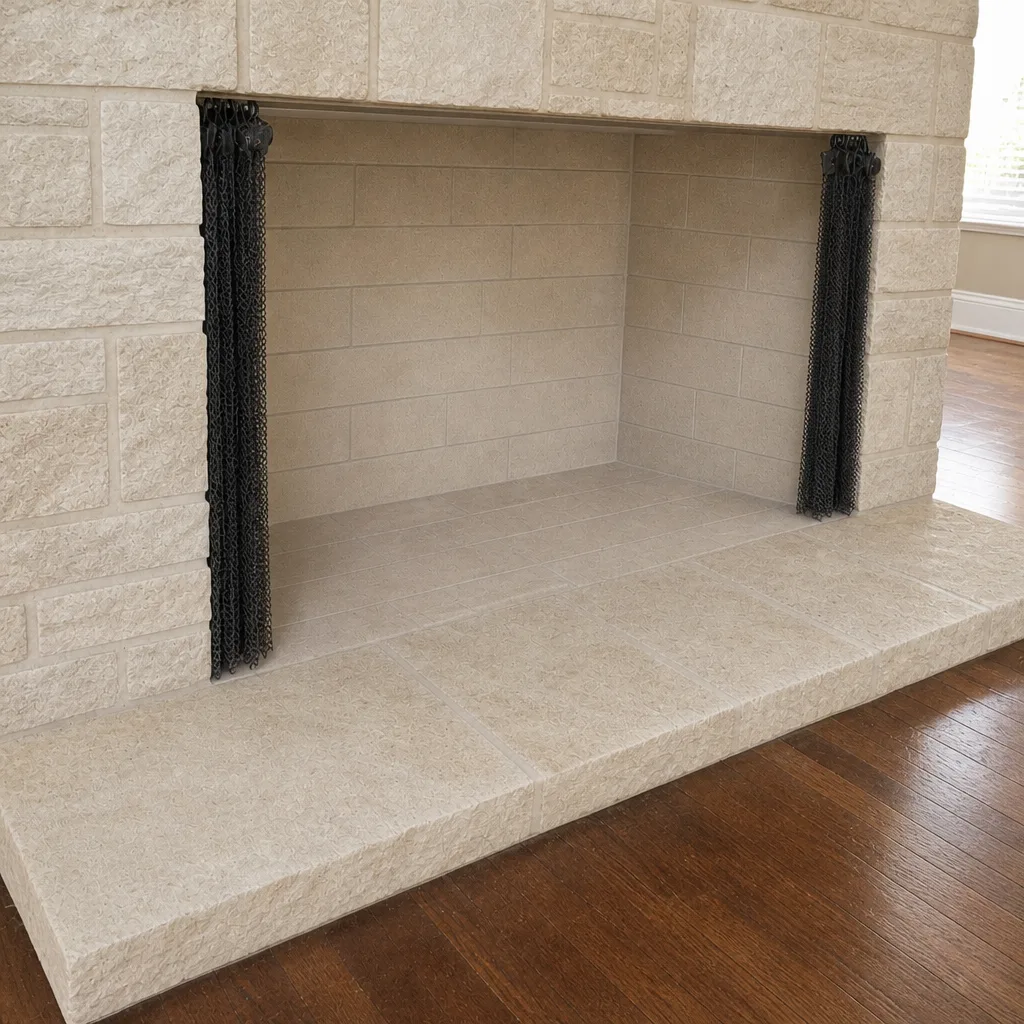
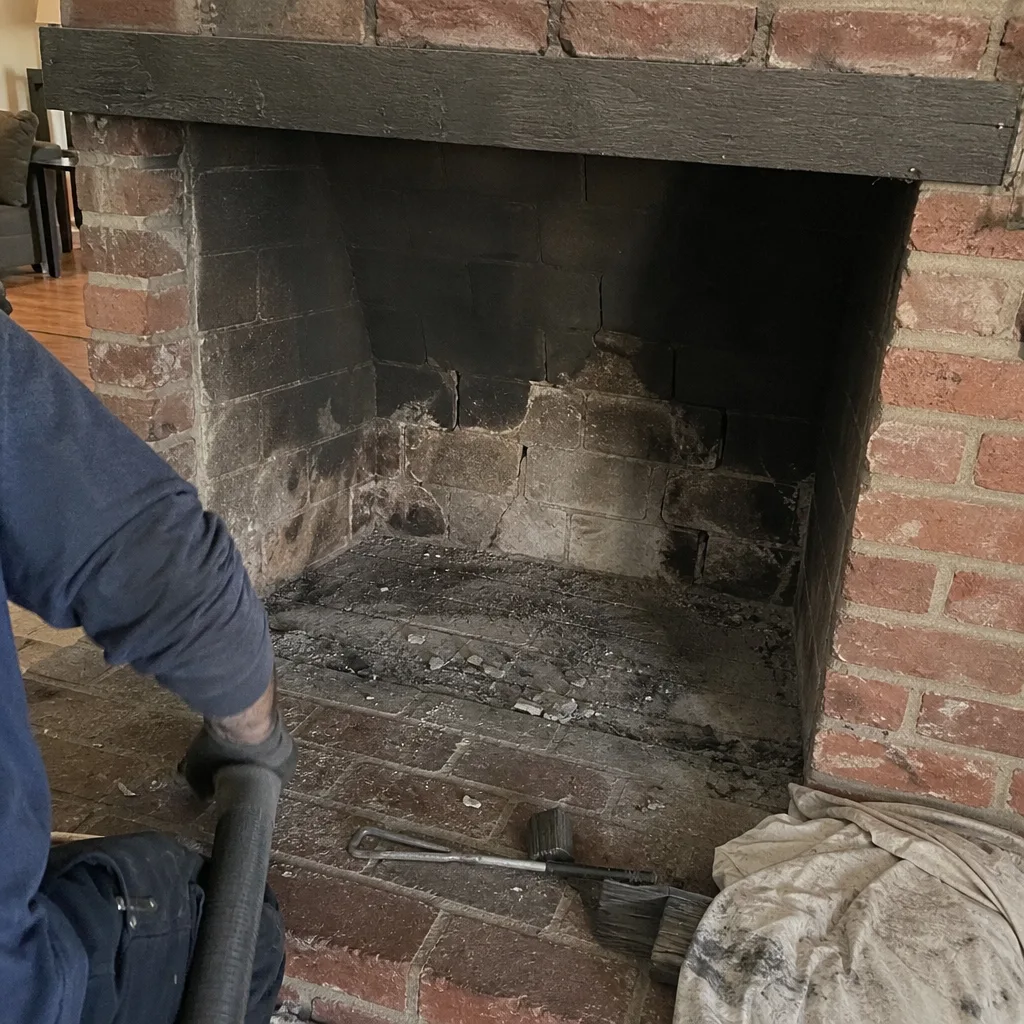
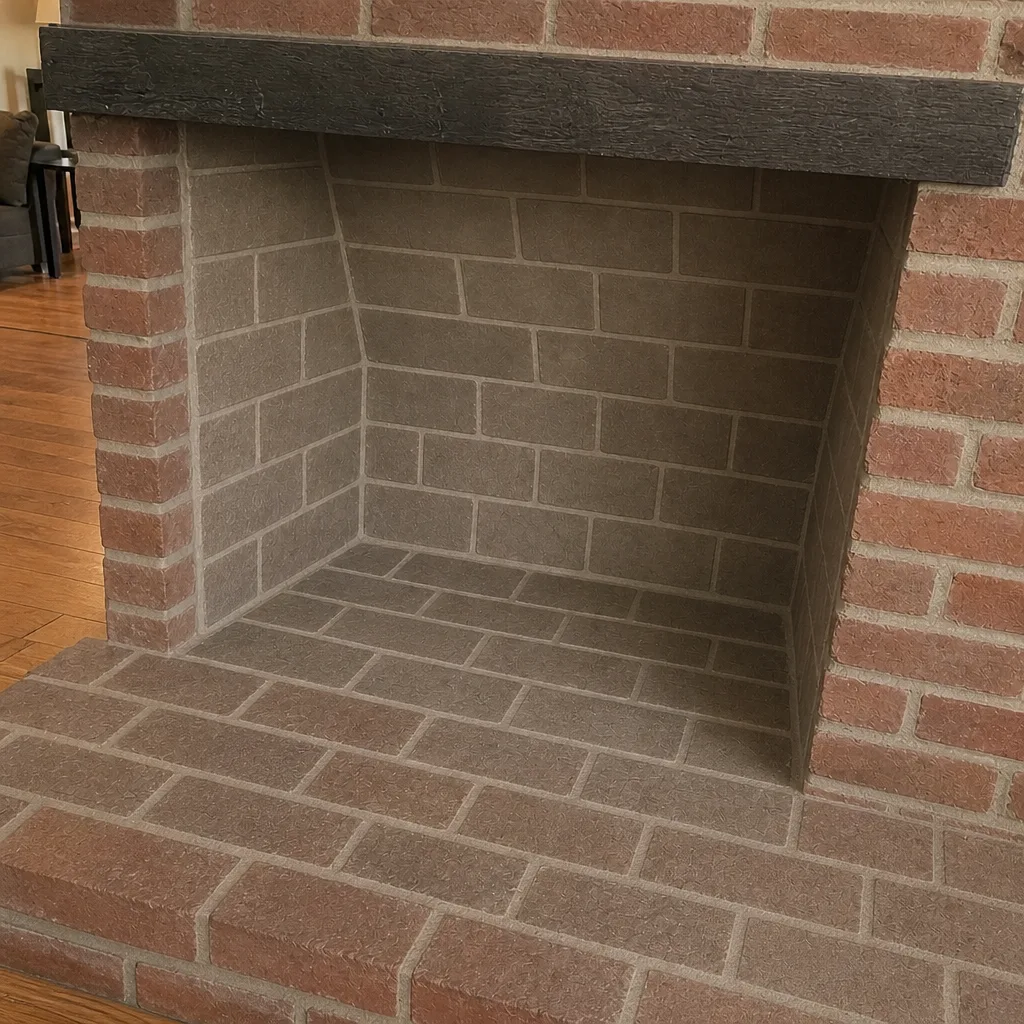
See the difference
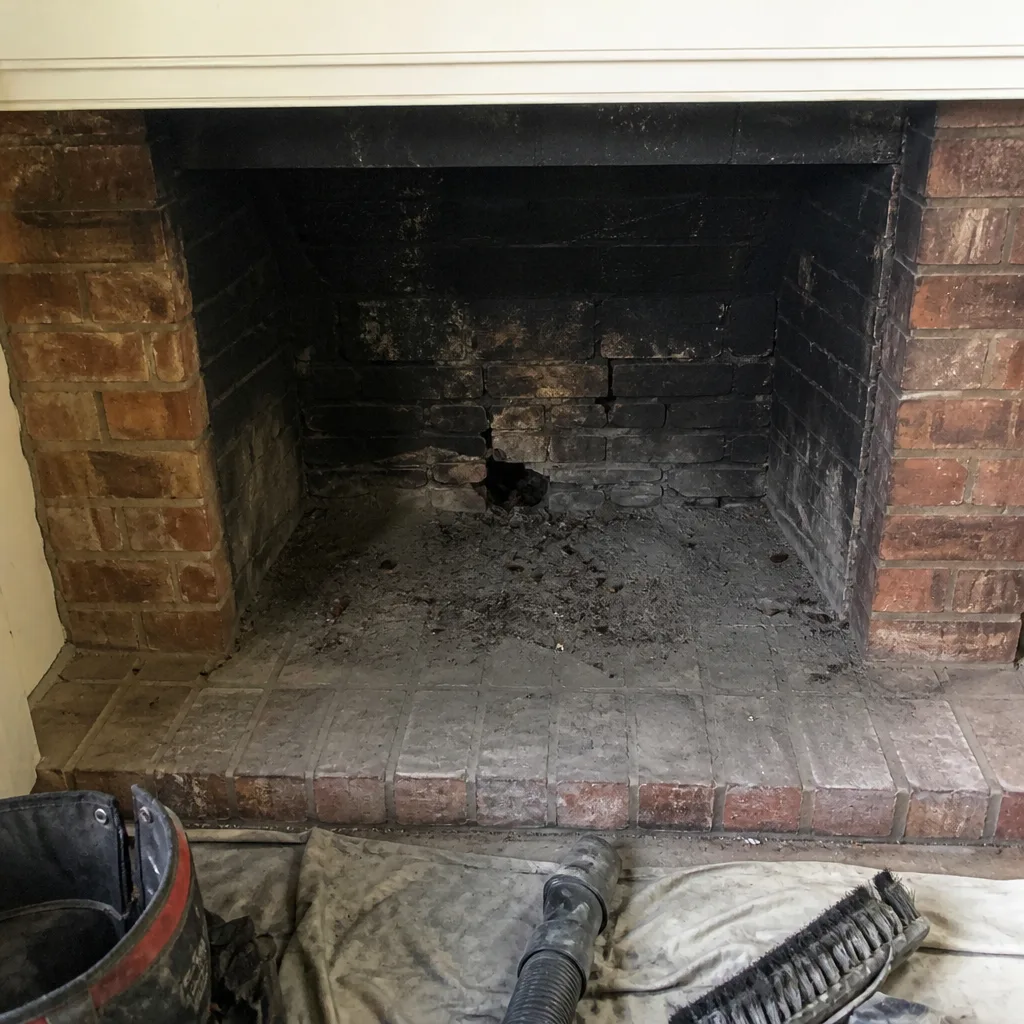 Before
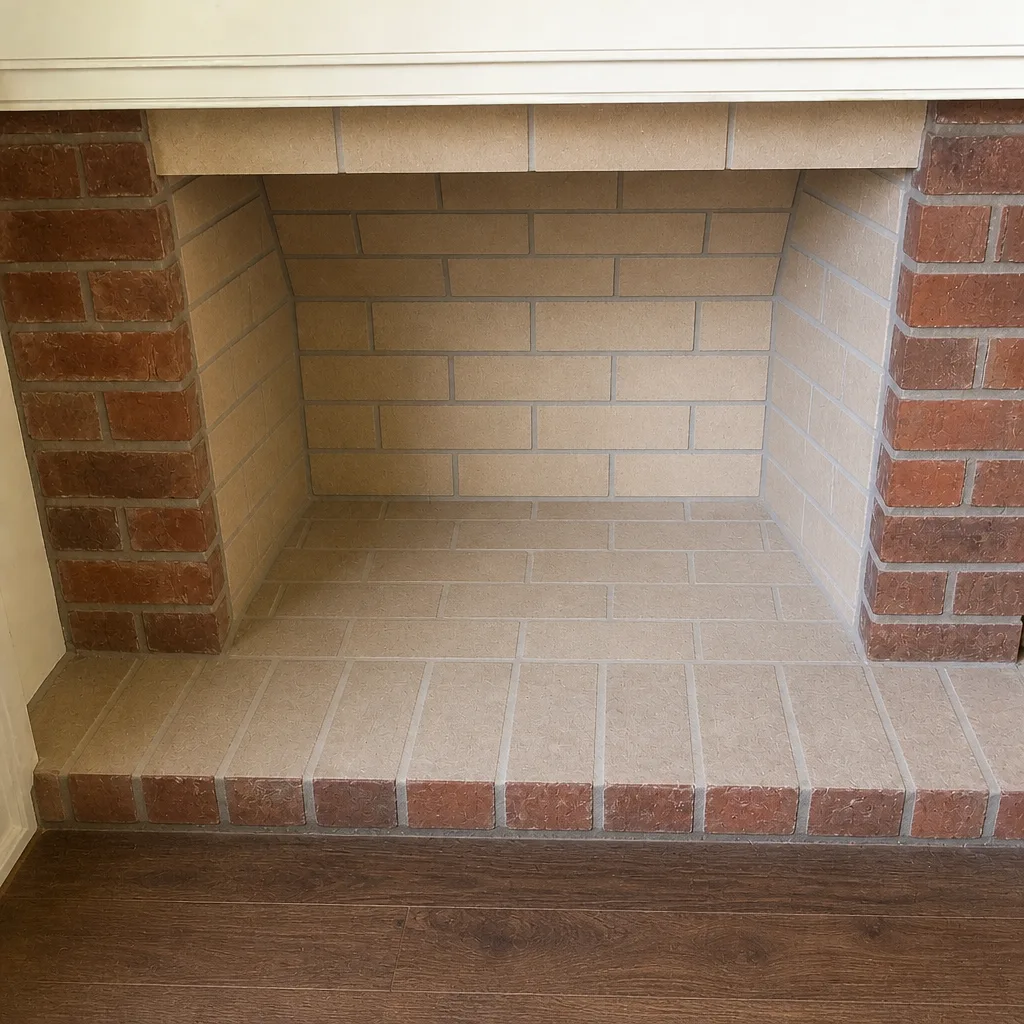 After
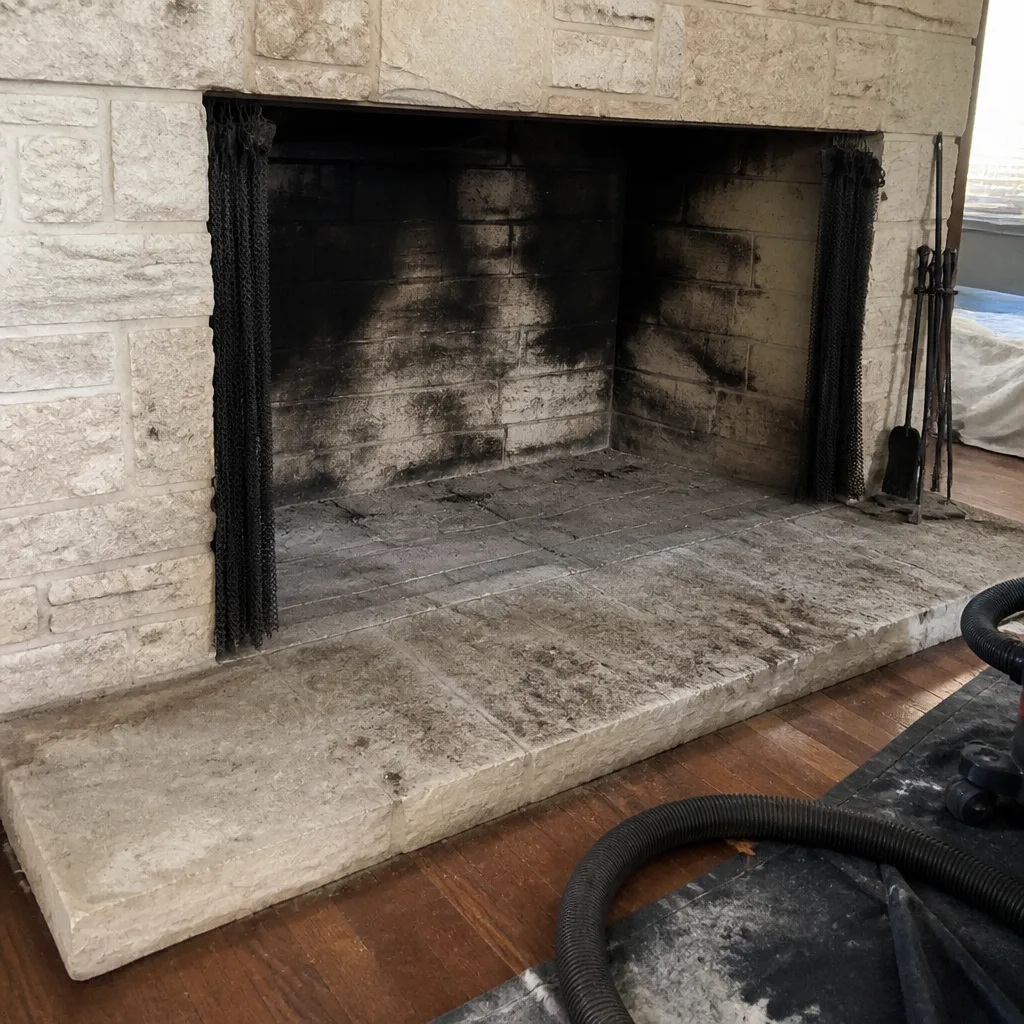 Before
 After
 Before
 After
The Bottom Line
DIY chimney cleaning is defensible in one narrow case: straight flue, light Stage 1 soot, recent inspection, known good structure. Everywhere beyond that, it stops being a savings and starts accumulating risk. Stage 2 and Stage 3 creosote require professional removal. Structural defects like cracked liners, failing mortar, and crown damage can’t be seen without a camera. And the real cost of a DIY sweep, once you count tools, hours, and the unrecovered risk, usually exceeds the $150-$300 a professional sweep costs in Buena Park. Routine visual inspections and cap clearing between visits are your best DIY contribution. The actual sweep is a job for a fireplace repair and chimney professional who brings the right tools and the right materials.
Contact
Not sure which category your chimney falls into? We’ll tell you honestly. For a free estimate on Buena Park Chimney Sweep Pros, call (877) 792-7250. We answer 24/7. Fast dispatch from 7am to 7pm, Sunday through Friday.
Written by the team at Buena Park Chimney Sweep Pros.