
Last updated November 25, 2026
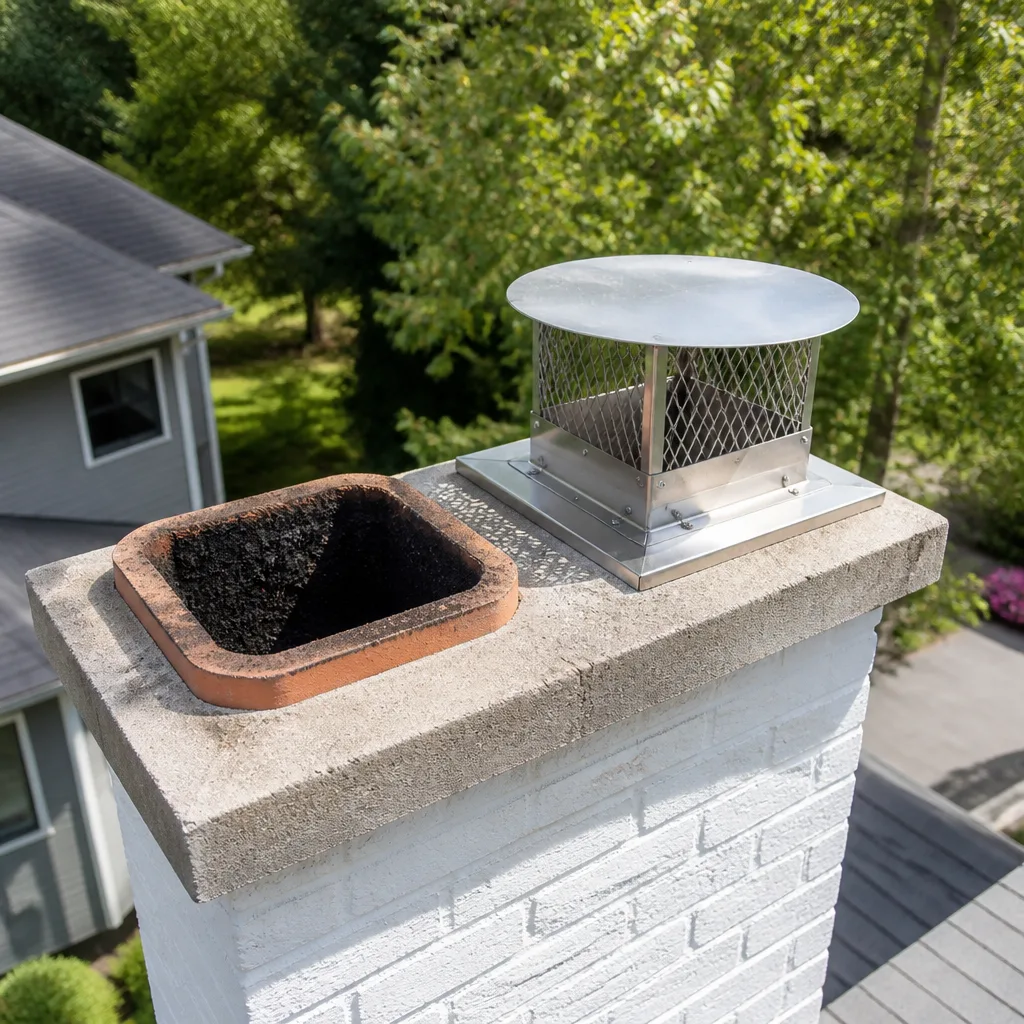 Sweep & inspection
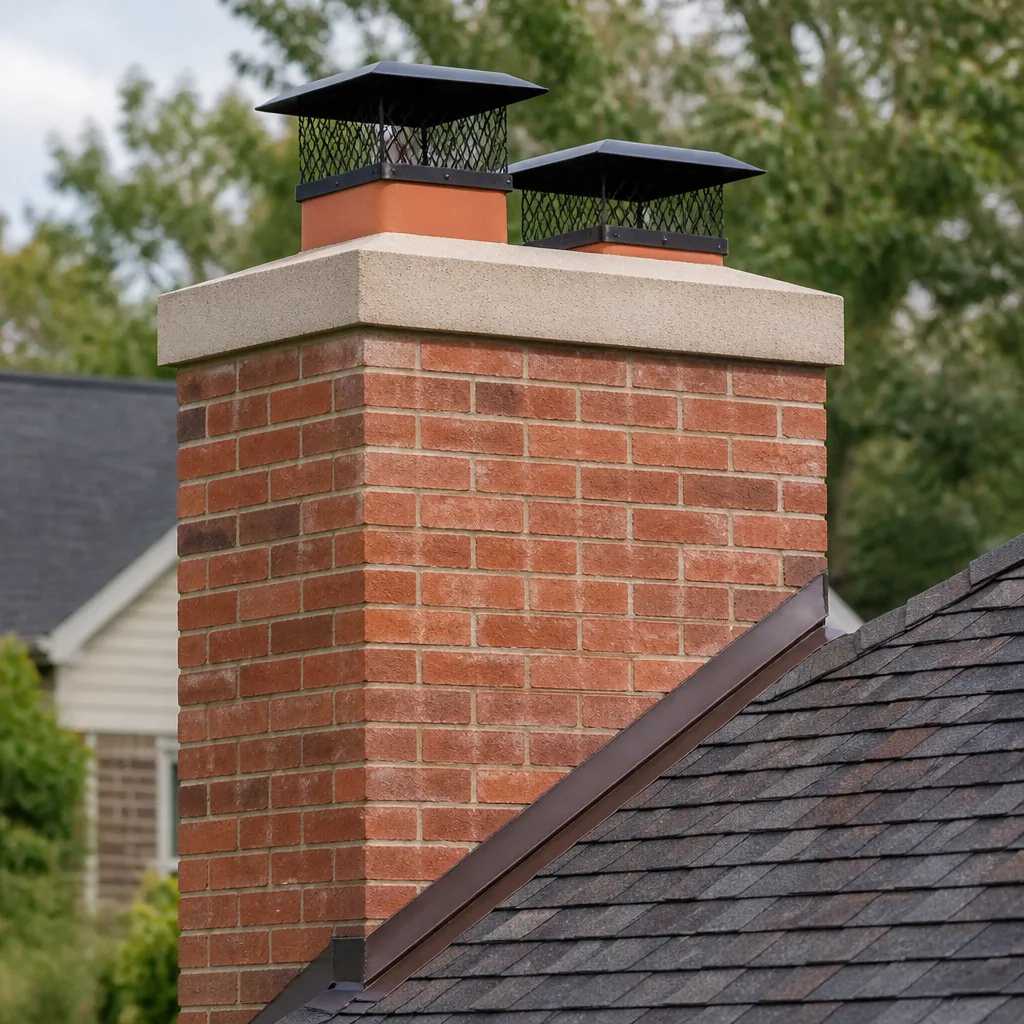 Caps & crowns
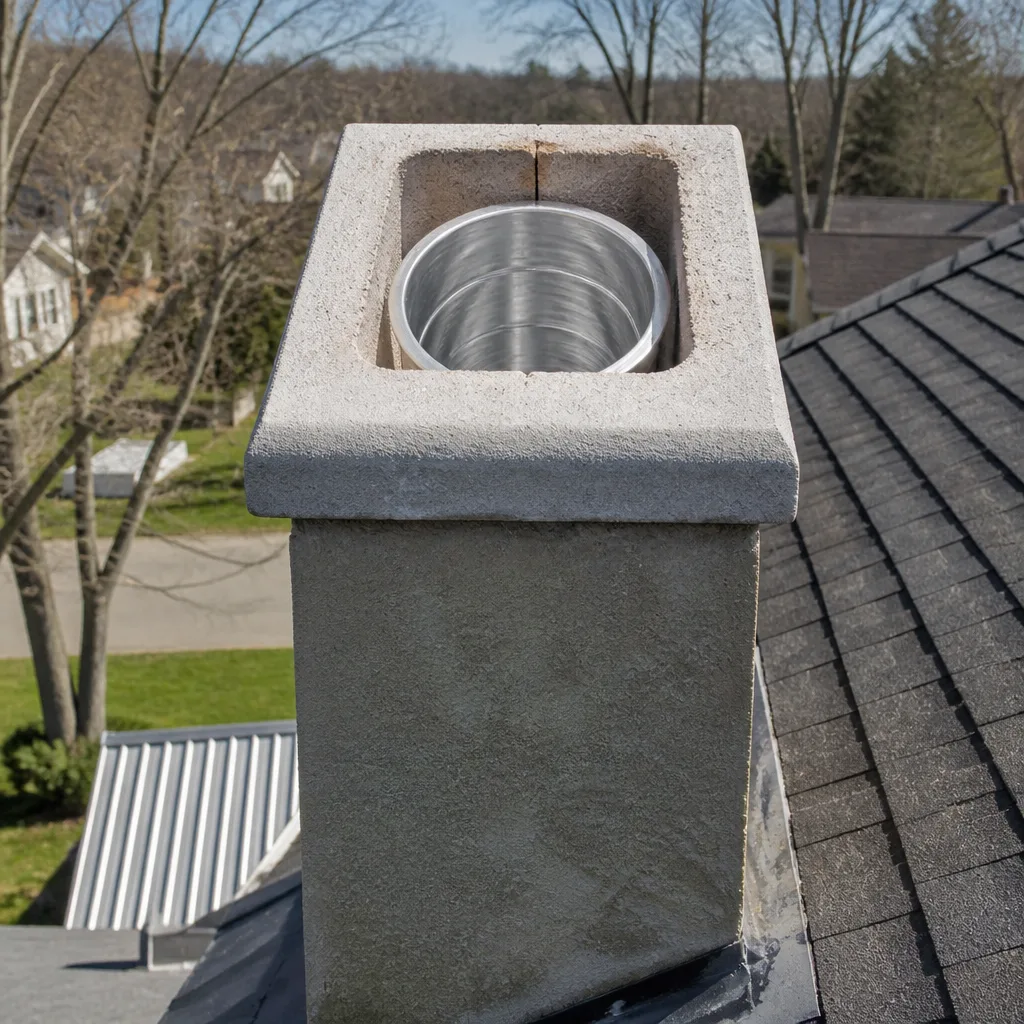 Flue relining
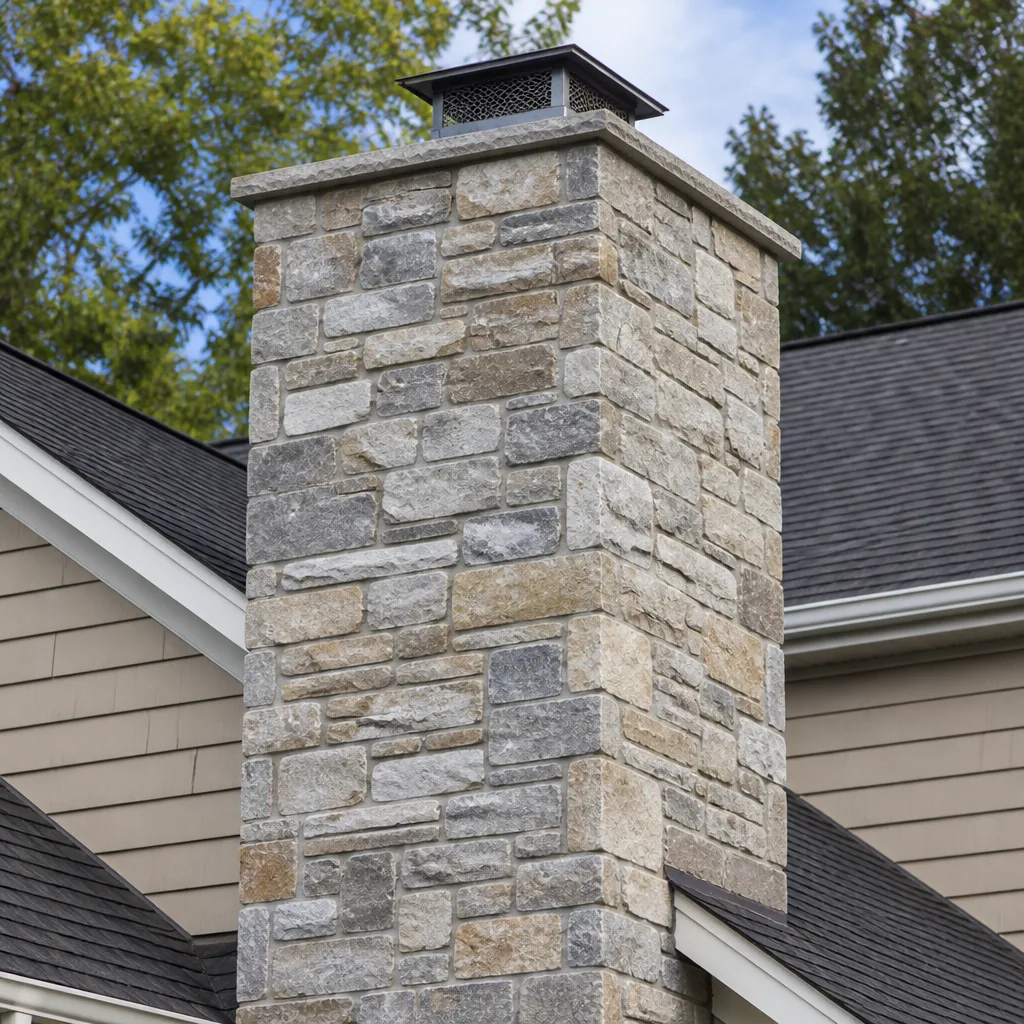 Masonry repair
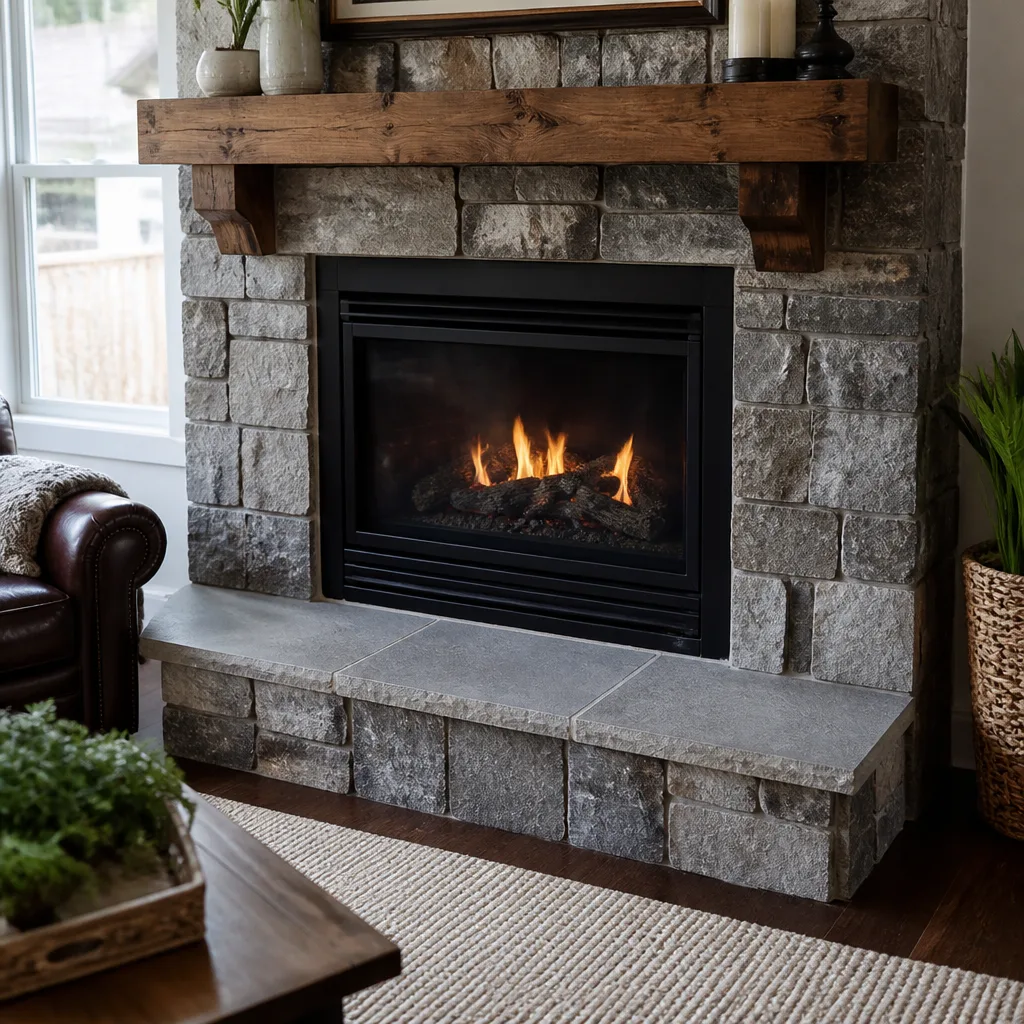 Gas fireplace service
Level 1 sweep and inspection to the NFPA 211 annual standard - flue, crown, cap, and flashing checked and photographed
Chimney sweep logs do not sweep chimneys. They loosen some creosote - which then falls where a brush and vacuum still have to collect it.
Choosing the Right Chimney Cleaning Brand: A Buyer’s Guide for Buena Park
When a chimney contractor replaces your cap or seals your crown, the product they use has a lifespan range from about 2 years to 20, and most homeowners never ask which one they’re getting. That gap in the conversation is where money quietly disappears. A galvanized cap sold as a “new cap” and a stainless one look similar on the invoice. A tube of hardware-store crown sealant and a proper flexible crown coating can look identical going on. Two years later, one is rusted through or cracked and the other is still doing its job. Buena Park homeowners deal with dry summers, a rainy season that tests every roof edge, and older housing stock where the flue was built to standards nobody documents anymore. This guide is about the materials that sit between your fire and your roof structure, the product categories where brand and grade genuinely matter, and the exact questions that let you have an informed conversation with any contractor before you sign anything.
Quick Answer
The brand that matters most in chimney work is rarely the cleaning company itself; it’s the liner, cap, crown, and sealant products installed in your flue. A contractor who can name the specific professional-grade materials they use (for example DuraFlex flexible liners or HeatShield ceramic resurfacing) and explain why that product fits your flue is a better signal of quality than any marketing claim. Ask what goes into your chimney, not just what it costs to clean it.
Styles & brands we work with
- Sweep & inspection
- Caps & crowns
- Flue relining
- Masonry repair
- Gas fireplace service
Table of Contents
- The Four Product Categories Where Brand Actually Matters
- What “Professional-Grade” Means in Concrete Terms
- How to Ask Your Contractor About Materials
- Why Stainless Steel Costs More Upfront and Less Over Time
- Red Flags in Material Selection
- Why Every Job Starts With an Inspection
- Matching the Material to the Job
- Common Mistakes to Avoid
The Four Product Categories Where Brand Actually Matters
Most of a chimney is masonry and metal that was chosen decades ago. The parts a contractor actually specifies are the ones at the edges: what keeps water out, what lines the flue, and what seals the top. Those four categories are where a cheap product and a correct product look the same on the day of install and behave very differently afterward.
Chimney caps. A cap is the lid over the flue and the first line of defense against rain, birds, and squirrels. The material choice is stainless steel, galvanized steel, or copper. Galvanized caps are cheaper and rust out faster, especially where moisture sits on the seams. Stainless holds up far longer. The cap also has to be sized to the flue and screened correctly, so a generic hardware-store cap often fits poorly and lets water in at the edges.
Crown sealants and coatings. The crown is the concrete slab at the top of the masonry. Hairline cracks there let water into the structure below. Patch products sold at retail tend to be rigid and crack again as the crown moves with temperature. Flexible crown coatings are formulated to bridge those small cracks and stay elastic. This is one of the least visible product decisions a contractor makes and one of the most consequential.
Flue liner materials. When a flue needs relining, the choices are stainless flexible liner systems like DuraFlex, rigid stainless sections, cast-in-place systems, and ceramic resurfacing products like HeatShield for flues that qualify. Each has a fit profile. Flexible liners handle offsets and odd shapes; resurfacing restores a sound but deteriorated flue without a full reline. The wrong choice for the flue geometry is a wasted install.
Waterproofing treatments. Masonry is porous. A breathable water repellent applied to the exterior keeps rain out while letting the brick dry from inside. Sealants that trap moisture do more harm than good. Brand and formulation matter here because the wrong product can spall the brick face over time.
Every one of these four categories is a place where a homeowner can ask a specific question during the estimate and get a clear answer or a vague one. That answer tells you a lot. It’s also the reason an inspection comes first; you can’t specify the right liner if you haven’t looked at the flue.
What “Professional-Grade” Means in Concrete Terms
“Professional-grade” is a phrase anybody can print on a van. In practice it means the product was specified for the application, installed to the manufacturer’s requirements, and backed by a manufacturer who will stand behind a failure. There’s a real difference between that and a product bought off a shelf with no design intent behind it.
On our side, we work with an intentional roster of brands because each one solves a different problem. We install DuraFlex flexible liner systems because they fit the older and non-standard flues that rigid liners can’t address. We use HeatShield ceramic flue resurfacing because it lets us restore a qualifying flue rather than jump straight to a full reline. We work with Olympia Chimney and Gelco products in the cap and component categories where fit and material grade decide how long the piece lasts. Naming the brand isn’t a marketing flourish; it means the product has a paper trail and the install has a spec.
Here’s what to listen for in the answer to “what product will you use”:
- A specific product or system name, not “a stainless liner” or “a good cap.”
- A reason tied to your flue: its size, its shape, whether it has offsets, what the inspection found.
- An answer about grading, like the difference between 304 and 316 stainless for the application, if you ask.
- A clear yes when you ask whether the manufacturer’s installation requirements will be followed.
What you’re checking for is whether the contractor knows the materials at the level of detail that shows they chose them on purpose. Anybody can read a label. An informed contractor can tell you why that label fits your chimney and why another one doesn’t. That’s the difference between a crew that installs products and a contractor that specifies them.
How to Ask Your Contractor About Materials
The whole point of asking about materials is to get information without turning the estimate into a confrontation. The right questions are simple, direct, and phrased as curiosity about your own chimney. A contractor who’s comfortable with their materials will enjoy the conversation. One who isn’t will give you short, defensive answers, and that’s useful too.
Sequence the questions. Start with the diagnosis. Then the material. Then the price of the material. That order keeps the conversation about your chimney instead of about a product catalog.
- What did the inspection find, and can I see it? A camera inspection with a photo report you can look at yourself should come before any material recommendation. If there’s no visual evidence, there’s no basis for the product.
- What product are you proposing and why does it fit my flue? You want a name and a reason. “A stainless liner” isn’t a name. DuraFlex is.
- What are the alternatives, and what’s the tradeoff? If the contractor can’t tell you why a cheaper option isn’t right for you, they either don’t know or don’t want to explain. Both are worth knowing.
- Will this be installed to the manufacturer’s spec? Ask it plainly. Professional-grade products come with installation requirements, and a contractor who uses them will tell you so.
- What’s my maintenance going forward? Stainless caps and liners still need occasional inspection. The right answer tells you what to watch for, not just what to buy.
Two things to keep in mind while you ask. You don’t need to sound like a materials engineer; a plainly worded question gets a plainly worded answer, and that’s the point. And if the contractor welcomes the questions and explains the reasoning without trying to upsell you into the most expensive option, that’s a good sign you’re talking to someone who knows what they’re doing.
Why Stainless Steel Costs More Upfront and Less Over Time
Stainless steel components cost more than galvanized ones on the day you buy them, and less every year after. The reason is time. Galvanized steel is coated and the coating wears away from the weather, especially where water stands or drains slowly. Once the coating is gone, the steel rusts through, and the cap or liner fails at the seams. Stainless holds up far longer, and when it does eventually need attention, it fails slowly and visibly rather than suddenly.
The cost-per-year math is the argument. A galvanized cap that needs replacing every few years costs more over a decade than a stainless cap bought once. The same holds for the liner connection hardware and any component that sees moisture regularly. Stainless has a higher sticker price and a lower lifetime cost. That’s the tradeoff, and it’s a real one.
In Buena Park, the local climate puts a specific strain on metal components. The dry season leaves a lot of airborne grit and dust settling on rooftops, and the wet season delivers concentrated rain that finds every seam. A cap that sits on a roof through that cycle has to be made of a material that doesn’t rust at the first long wet stretch. That’s why the stainless-versus-galvanized decision is worth making consciously rather than letting a contractor choose by default.
This doesn’t mean every job needs the most expensive option. A galvanized cap can be reasonable for a chimney that’s going to be reworked anyway or for a structure with a short remaining life. What matters is that the tradeoff gets explained to you and that you’re choosing it rather than inheriting it. When the tradeoff is explained and the price of the material is on the estimate, you’re in control of the decision. When it isn’t, you’ve handed it to the contractor and hoped for the best.
Red Flags in Material Selection
The red flags in a chimney estimate are usually the same ones that show up in every trade, and they’re easy to spot if you know what to listen for. They come down to how the contractor talks about materials and whether there’s a reason behind the choice.
- They can’t name the product. “A stainless liner,” “a new cap,” “some sealant” are answers that tell you nothing. A professional can name the system.
- They default to the cheapest option without explaining why. Price is a legitimate factor, but “cheapest” is not a specification. If you ask why the cheap option is right for you and the answer is “it’s cheaper,” that’s a red flag.
- They can’t tell you why a specific product fits your flue. The right material depends on the flue’s size, shape, condition, and appliance. A one-size answer for every chimney is a one-size mistake.
- They discourage you from seeing the inspection. If they won’t show you the camera findings and the photo report, they don’t want you to have the evidence to make your own decision.
- They recommend work your chimney doesn’t need yet. Some problems can safely wait. A contractor who tells you so is being straight with you, and one who escalates to the biggest job without a reason isn’t.
- They refuse to talk about warranties or the manufacturer’s spec. Professional-grade products come with a paper trail. A contractor who installs them is happy to mention it.
- They quote a price before they’ve inspected the flue. Material choices come from what’s inside the flue, not from a number pulled out of the air on the phone.
None of these on their own is proof of a bad contractor, but together they tell you whether you’re dealing with someone who picks materials on purpose or someone who installs whatever is on the shelf. In Buena Park, where older homes often have flues that were built to standards nobody still has on paper, the difference matters more than it does in a new build. Ask the questions, watch the answers, and let them guide you.
Why Every Job Starts With an Inspection
You can’t choose the right product for a chimney you haven’t looked inside. That’s the reason every job we do starts with an inspection, and it’s the reason you should be suspicious of any contractor who’s ready to install a liner or replace a cap before they’ve seen the flue. The inspection drives the material choice, and the material choice drives the price. Skipping the inspection and guessing is how a homeowner ends up paying for the wrong product.
A chimney inspection does two things. It diagnoses the condition of the flue, the crown, the cap, the firebox, and the connections. And it produces evidence: camera footage and a photo report you can look at yourself. That evidence is what lets you make an informed decision about whether the recommended work is necessary and whether the proposed material is the right fit. When an inspection is done properly, you’re not taking the contractor’s word for it; you’re looking at the flue.
The inspection also answers the biggest question in the whole conversation: can this wait? Some recommended work is urgent. A cracked crown leaking water into the masonry, or a liner breach that creates a real fire or venting risk, needs attention. Most work can wait a season, and saying so honestly is part of the job. A good contractor will tell you which category your chimney falls into and why, not just what it would cost to fix everything at once.
Once the inspection report is in hand, the material conversation gets specific. The flue’s measurements, its shape, whether it has offsets, and what the camera found all point to a particular system. That’s when a name like DuraFlex or HeatShield becomes an actual recommendation rather than a marketing term, and it’s when you can ask the questions in this guide and get real answers. In Buena Park, a lot of the housing is older than the current building standards, so the inspection is often the only reliable record of what’s actually inside the chimney.
Matching the Material to the Job
Every chimney problem has a product category that fits it, and part of choosing the right brand is understanding which category your job belongs to. The categories aren’t interchangeable, and a contractor who tries to solve a liner problem with a cap or a crown with a tube of sealant is either misdiagnosing the chimney or stretching a product past what it’s for.
These are the categories and what fits each one:
- Routine maintenance. A chimney sweep removes creosote and soot and is the first line of defense against a chimney fire. The equipment here is brushes and a vacuum, not a branded product, but the frequency of the sweep is what prevents the bigger problems.
- Flue restoration without a reline. A flue that’s sound structurally but has deteriorated surfaces may qualify for HeatShield ceramic resurfacing. This extends the life of the flue without the cost of a full reline, and it’s the option a lot of contractors don’t offer because they don’t carry the system.
- Full relining. A flue that’s failed or doesn’t fit the appliance needs a new liner. A DuraFlex flexible liner fits older and non-standard flues that rigid sections can’t handle.
- Preventive protection. A properly sized stainless cap and a flexible crown coating keep water, animals, and debris out of a flue that’s otherwise in good shape. This is the category most sweep-only contractors skip.
- Structural and fireplace repair. Masonry that’s cracked or spalled and a firebox that’s worn need chimney repair and fireplace repair, and the materials here are mortars, coatings, and masonry components that have to match the existing structure.
Most chimneys need a combination of these, which is why working with a company that covers the whole lifecycle matters. You’re not coordinating three contractors with three sets of materials and three warranties. One company specifies all of it, installs it, and stands behind the whole job. That’s the appeal of full-service work: the materials are chosen together because the work happens together. If you want to start with the maintenance category, a chimney sweep in Buena Park is the natural first appointment, and the inspection that comes with it tells you what else, if anything, your chimney actually needs.
Common Mistakes to Avoid
- Asking what it costs before asking what goes into it. A price without a product spec is a number with no meaning. Get the inspection and the material list first, then talk cost.
- Accepting a cap that isn’t sized to the flue. A generic cap from a hardware store often fits poorly and lets water in at the edges. The cap has to match the flue and the screen has to be right.
- Letting a contractor skip the crown. The crown is where a lot of water intrusion starts, and it’s the part sweep-only crews don’t touch. Ask about it specifically.
- Choosing galvanized because it’s cheaper. Stainless costs more on day one and less over the life of the chimney. Get the tradeoff explained before you decide.
- Trusting a recommendation without seeing the evidence. You should be able to look at the camera footage and the photo report yourself. If you can’t, don’t act on the recommendation.
- Assuming a cheap liner is the same as a professional-grade one. The brand and the spec determine how long the install lasts and whether the manufacturer stands behind it.
- Scheduling the install before the inspection. Material choices come from what’s inside the flue. Booking the job before the diagnosis is how the wrong product ends up in your chimney.
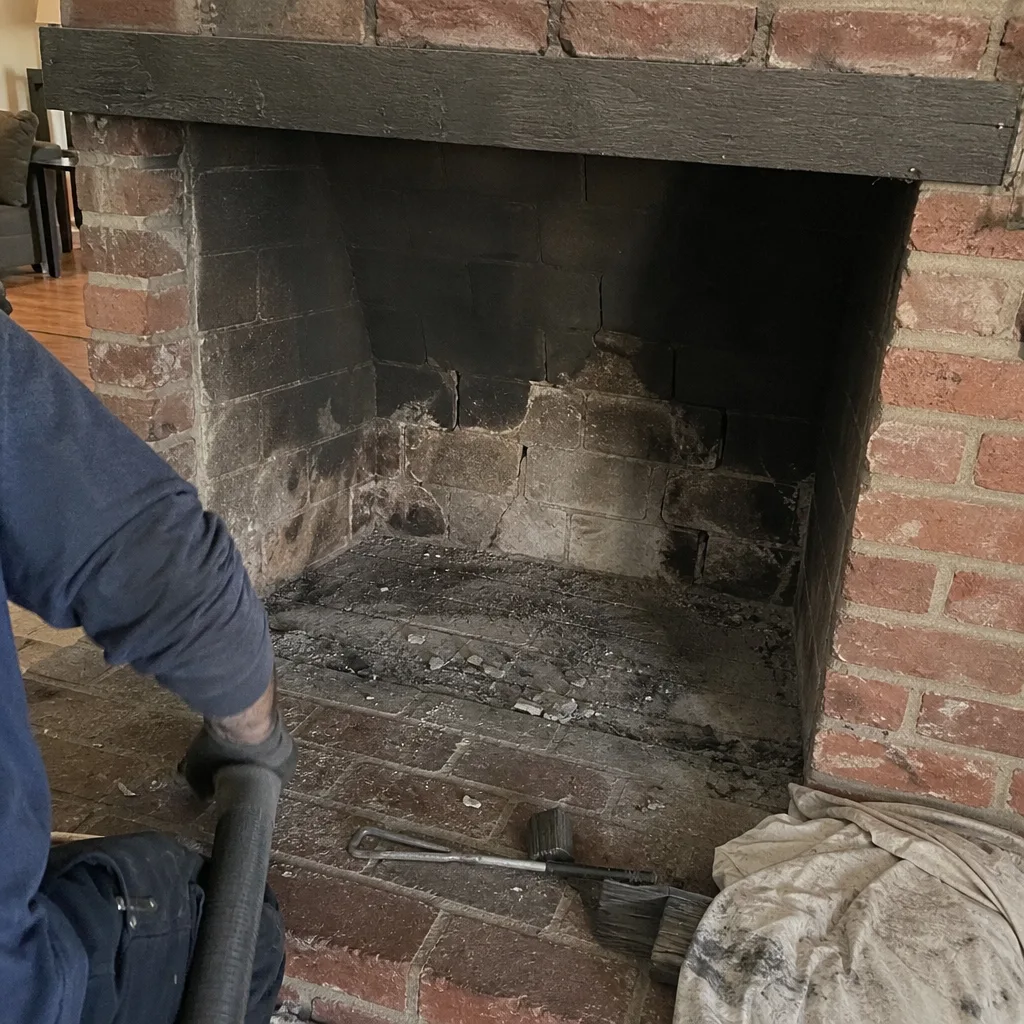
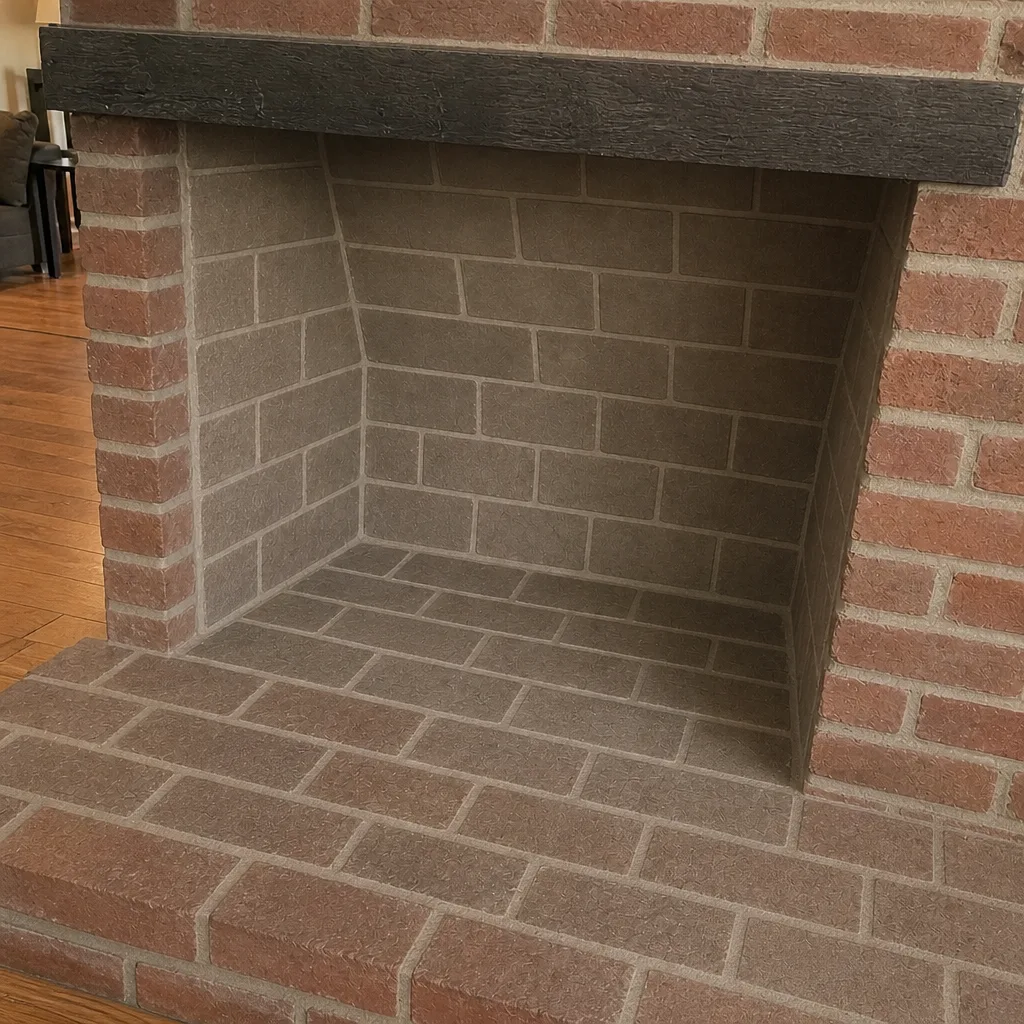
See the difference
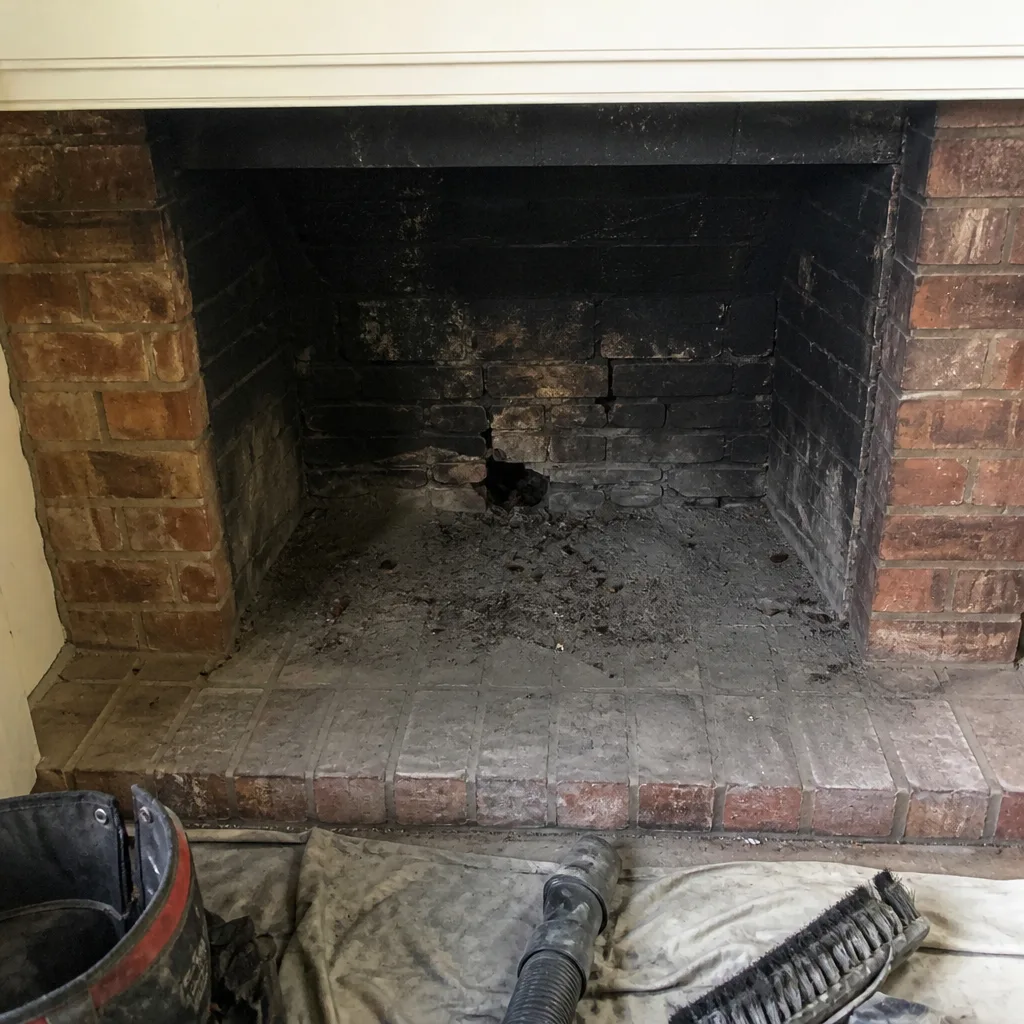 Before
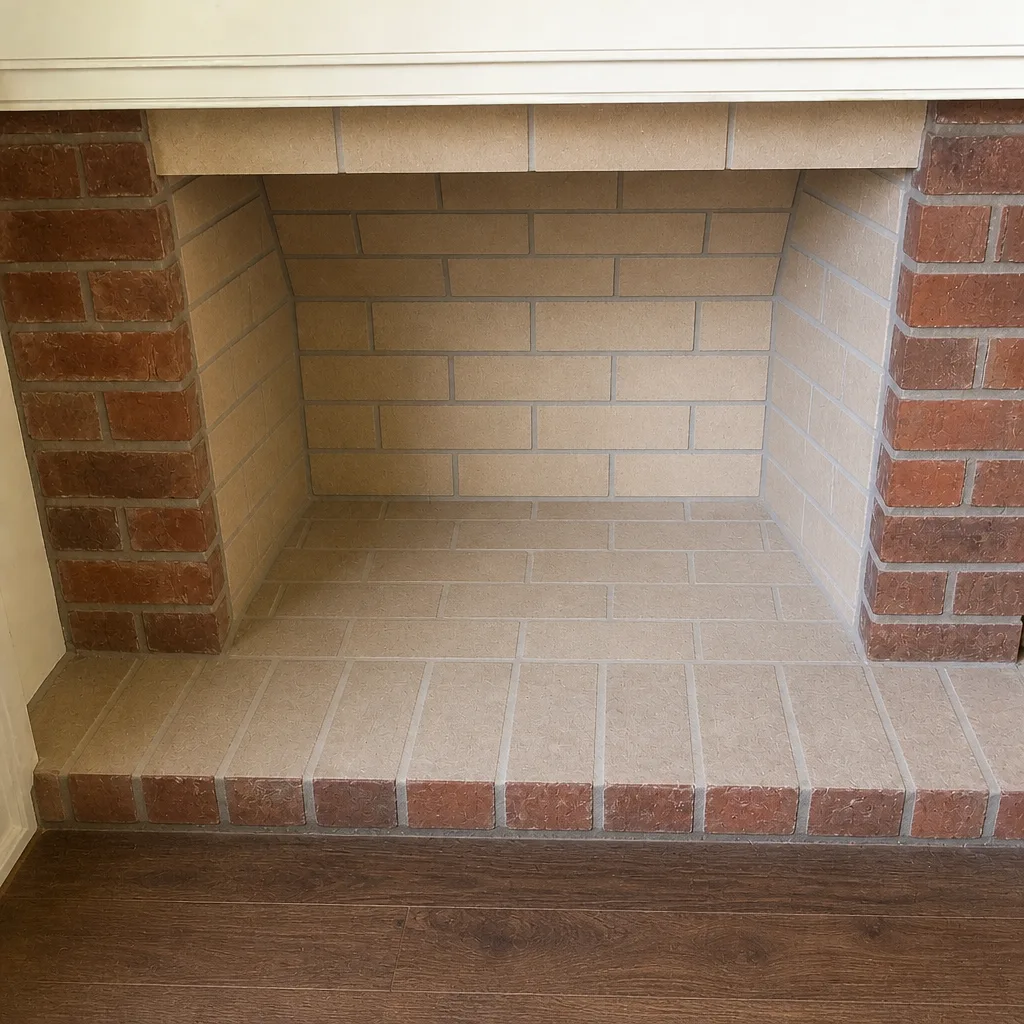 After
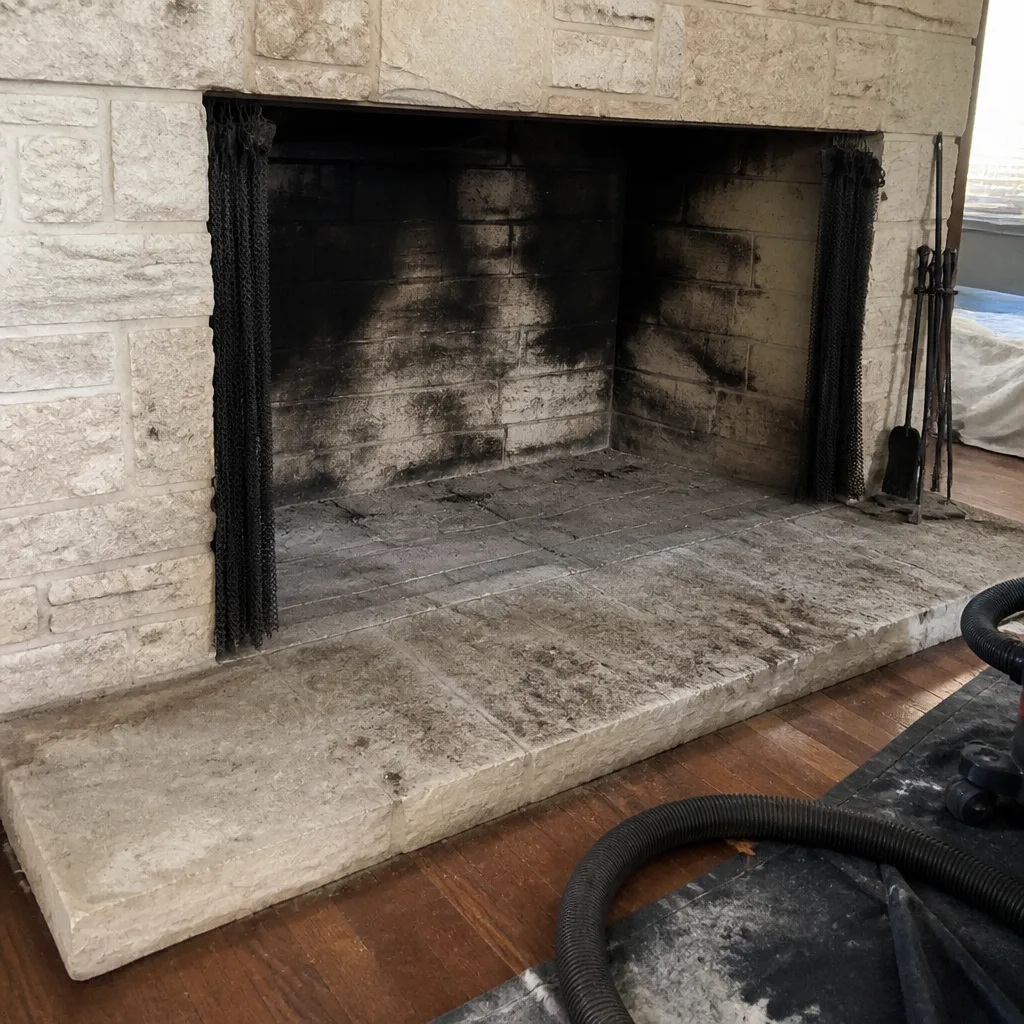 Before
 After
 Before
 After
When to Call a Professional
There’s a specific list of signals that mean it’s time to bring in a professional rather than keep putting it off: a strong odor from the fireplace even when it’s not in use, smoke backing into the room, a cap you can see is damaged or missing from the ground, water stains on the ceiling near the chimney, a cracked or crumbling crown, or a flue you’ve never had inspected. Any of those warrant a look before the next burn season. A chimney fire and carbon monoxide are the two risks chimney work addresses, and the right materials are how you address them. Buena Park Chimney Sweep Pros offers free estimates in Buena Park. Call (877) 792-7250. We answer 24/7. Fast dispatch from 7am to 7pm, Sunday through Friday.
Frequently Asked Questions
A routine sweep is priced per job and set by the written estimate, which is free. The price depends on the flue’s condition and the level of inspection included, so the estimate is the number to rely on. Ask what’s included before you book, and get the material questions answered at the same time. Call (877) 792-7250 for an exact quote; estimates are free.
Professional-grade means the product was specified for the application and installed to the manufacturer’s requirements, with a manufacturer standing behind a failure. It’s different from a product bought off a retail shelf with no design intent behind it. The difference shows up in how long the install lasts and whether anyone will honor it if something goes wrong.
A flexible liner like DuraFlex is a new stainless liner installed inside the flue, and it fits older or non-standard flues that rigid sections can’t handle. HeatShield ceramic resurfacing restores a flue that’s structurally sound but has deteriorated surfaces, without a full reline. Which one fits your chimney depends on what the inspection finds, not on a general recommendation.
Only if the inspection shows the flue has failed or doesn’t fit the appliance. A sound flue with a deteriorated surface may qualify for resurfacing instead, which is a lower-cost option. Nothing should be recommended without camera evidence you can look at yourself, and if the work can safely wait, a straight answer will tell you so. Call (877) 792-7250 for an exact quote; estimates are free.
Annual inspection is the general rule, with a sweep whenever the inspection shows enough creosote buildup to warrant it. The frequency depends on how much you burn and what you burn. A chimney that hasn’t been looked at in years should be inspected before the next burn season regardless of the calendar.
Creosote accumulates, and the risk of a chimney fire goes up with it; a failed liner or blocked flue also creates a carbon monoxide path into the home. A missing cap lets water and animals in, and a cracked crown lets water into the masonry. None of those show up without an inspection, which is why the inspection comes first. Call (877) 792-7250 for an exact quote; estimates are free.
The Bottom Line
The right chimney cleaning brand is the one that puts the right product in your flue. Ask what the inspection found and whether you can see it. Ask what material is being proposed and why it fits. Ask what the alternatives cost over the life of the chimney, and expect a straight answer about which work can safely wait. A contractor who can name the system (DuraFlex, HeatShield, Olympia Chimney, Gelco) and explain the reasoning is a different contractor than one who can’t. Our technicians have up to 14 years of experience, and we work with brands we can back up. Start with the Buena Park Chimney Sweep Pros page if you don’t know where to begin, or call (877) 792-7250 for a free estimate. We answer 24/7. Fast dispatch from 7am to 7pm, Sunday through Friday.
Written by the team at Buena Park Chimney Sweep Pros.